

Description
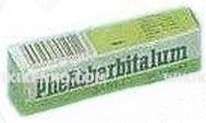
Phenobarbital is a barbiturate with potent antiepileptic and sedative–hypnotic properties and is among the oldest antiepileptic drugs still in widespread use. Injectable phenobarbital sodium solutions (often 10% w/v or similar concentrations) are used for rapid intravenous or intramuscular administration in acute settings, including status epilepticus and preoperative sedation. While “Phenobarbital Bichsel Ampul 10%” appears to be a branded phenobarbital sodium injection (likely regionally marketed, e.g. in Europe), its pharmacology, indications, and safety profile are determined by the phenobarbital sodium active ingredient and are consistent with other parenteral phenobarbital products.
Pharmaceutical Composition and Presentation
Phenobarbital Bichsel Ampul 10% is expected to contain phenobarbital in the form of phenobarbital sodium in aqueous solution for parenteral use. Standard phenobarbital sodium injection products are marketed as clear, sterile solutions, typically at concentrations such as 65 mg/mL or 130 mg/mL; a 10% formulation corresponds to 100 mg/mL phenobarbital sodium (100 mg per 1 mL), though exact concentration must be confirmed from the specific product label. Excipients usually include water for injections and pH‑adjusting agents (e.g. sodium hydroxide), with the solution intended for intravenous and/or intramuscular administration.
The ampoules are designed for single‑use, with strict aseptic handling and immediate use after opening to minimize contamination risk. Due to the alkaline nature and concentration of phenobarbital sodium injections, care must be taken to avoid extravasation and to follow recommended dilution and infusion rates to reduce local irritation and systemic adverse reactions.
Mechanism of Action
Phenobarbital acts primarily as a positive allosteric modulator of the gamma‑aminobutyric acid type A (GABA_A) receptor at the barbiturate binding site. By prolonging the duration of opening of GABA_A receptor–associated chloride channels, phenobarbital enhances chloride influx, hyperpolarizes neuronal membranes, and decreases neuronal excitability. At higher concentrations, phenobarbital can directly activate GABA_A receptors and may inhibit excitatory glutamatergic transmission, contributing to generalized central nervous system (CNS) depression.
This mechanism underlies its antiepileptic efficacy in generalized tonic–clonic and focal seizures, as well as its sedative–hypnotic and anesthetic‑adjunct effects. The long elimination half‑life supports once‑daily oral dosing for maintenance therapy but also necessitates careful dose titration and monitoring, particularly when using concentrated injectable forms such as 10% ampoules.
Pharmacokinetics
Phenobarbital exhibits high oral bioavailability (~90%), but in emergency or perioperative settings, parenteral administration is preferred for rapid onset. Following intravenous injection, absorption is immediate; intramuscular administration leads to somewhat slower but generally reliable systemic exposure. Phenobarbital is 20–45% bound to plasma proteins and distributes widely into body tissues and fluids, including passage across the blood–brain barrier and placenta.
The elimination half‑life is long, typically 2–7 days in adults (mean ~79 hours) and even longer in neonates and infants (mean ~110 hours), reflecting age‑dependent metabolic capacity. Metabolism occurs predominantly via hepatic microsomal enzymes (CYP2C9, CYP2C19 and others), with partial renal excretion of unchanged drug. Phenobarbital is a potent inducer of hepatic cytochrome P450 enzymes, leading to increased metabolism of numerous co‑administered drugs.
Clinical Indications
Injectable phenobarbital (including 10% ampoule formulations) is indicated mainly in acute and perioperative contexts, complementing its established oral use in chronic seizure management.
Approved and common uses
-
Long‑term anticonvulsant therapy for generalized tonic–clonic and focal (partial) seizures, often when other agents are ineffective or not tolerated.
-
Acute control of status epilepticus and other severe convulsive episodes when first‑line therapies (e.g. benzodiazepines, phenytoin) fail or are contraindicated.
-
Sedation and preanesthetic medication, including preoperative and postoperative use, particularly in pediatric patients.
-
Sedative management of various conditions associated with anxiety, tension, or hyperexcitability (e.g. certain hyperthyroid states, motion sickness, nausea of functional origin), though these indications are less favored in modern practice due to safety concerns.
Off‑label and less common uses
-
Management of neonatal seizures and prevention or treatment of hyperbilirubinemia in neonates with cholestasis (as an enzyme inducer).
-
Adjunctive therapy in severe alcohol or benzodiazepine withdrawal, particularly in intensive care settings.
Dosage and Administration (Parenteral)
Dosing of phenobarbital sodium injection must be individualized based on age, body weight, clinical indication, and organ function, with careful monitoring of vital signs and level of consciousness.
Adult and pediatric dosing examples
-
Status epilepticus (adults): Loading dose 15–20 mg/kg IV, infused at 25–60 mg/min, with maximum total dose typically not exceeding 30 mg/kg.
-
Status epilepticus (pediatric): 15–20 mg/kg IV over 10–15 minutes, with close respiratory monitoring.
-
Pediatric preoperative sedation: 1–3 mg/kg IM or IV 1–1.5 hours before procedure.
-
Pediatric anticonvulsant loading/short‑term treatment: 4–6 mg/kg/day for 7–10 days, or 10–15 mg/kg/day IM/IV divided doses, aiming for serum levels 10–25 μg/mL.
Because Phenobarbital Bichsel Ampul 10% is a concentrated solution, it may require dilution prior to IV administration, and maximum infusion rates should not be exceeded to minimize risk of hypotension and respiratory depression. Continuous cardiorespiratory monitoring is mandatory during rapid IV loading, particularly in neonates, children, and medically fragile adults.
Therapeutic Drug Monitoring
Phenobarbital has a narrow therapeutic index, and serum concentration monitoring is recommended in long‑term therapy, high‑risk patients, and in settings of suspected toxicity or drug–drug interactions.
-
Typical antiepileptic therapeutic range: 10–25 μg/mL in many references; some sources cite 10–40 μg/mL in adults and 15–30 μg/mL in children.
-
Samples are usually obtained at steady‑state trough levels, considering the long half‑life.
Monitoring assists in differentiating under‑dosing, non‑adherence, and pharmacokinetic interactions from true drug resistance. It is particularly important when using concentrated injectable forms such as 10% ampoules for loading, as accumulation and delayed toxicity may occur due to the long half‑life.
Adverse Reactions
Phenobarbital’s adverse effect profile reflects dose‑dependent CNS depression, systemic barbiturate effects, and its enzyme‑inducing potential.
Common adverse effects include sedation, drowsiness, ataxia, nystagmus, dizziness, and cognitive slowing. Behavioral disturbances such as irritability, hyperactivity (particularly in children), and mood changes can occur. Chronic use has been associated with dependence, tolerance, and withdrawal phenomena on abrupt discontinuation.
Serious adverse reactions include severe respiratory depression, hypotension (especially with rapid IV administration), severe CNS depression/coma, and death in overdose. Rare but important idiosyncratic reactions include severe cutaneous adverse reactions (SCARs) such as Stevens–Johnson syndrome and toxic epidermal necrolysis, hepatic dysfunction, hematologic abnormalities, and bone disease with long‑term enzyme induction.
Contraindications and Precautions
Parenteral phenobarbital is contraindicated in patients with known hypersensitivity to barbiturates. It is also contraindicated in individuals with a history of manifest or latent porphyria, severe respiratory insufficiency with dyspnea or airway obstruction, marked hepatic impairment, and in situations where barbiturate‑induced respiratory depression would pose an unacceptable risk.
Caution is required in patients with renal impairment, elderly or debilitated individuals, those with depression or suicidal ideation, and patients with a history of substance use disorders. In pregnancy, phenobarbital crosses the placenta and may increase risks of teratogenicity and neonatal withdrawal or respiratory depression; careful risk–benefit evaluation and, if used, close fetal and neonatal monitoring are required. Phenobarbital is excreted in breast milk, and nursing infants should be observed for sedation and feeding difficulties.
Drug–Drug Interactions
Phenobarbital is a strong inducer of hepatic microsomal enzymes, including CYP2C9 and CYP3A4, and can markedly alter the pharmacokinetics of many drugs.
Selected clinically relevant interactions
-
Oral anticoagulants (e.g. warfarin): Reduced anticoagulant effect due to increased metabolism; dosage adjustment and close monitoring of coagulation parameters (e.g. INR) are required.
-
Other antiepileptics (e.g. phenytoin, valproate, carbamazepine): Complex, bidirectional interactions; phenobarbital may lower concentrations of some agents and be affected by others, necessitating level monitoring.
-
Hormonal contraceptives: Increased metabolism may reduce contraceptive efficacy; additional or alternative contraceptive methods are recommended.
-
Central nervous system depressants (benzodiazepines, opioids, alcohol): Additive or synergistic CNS and respiratory depression, especially with parenteral loading; careful dose adjustment and monitoring are essential.
Numerous other interactions are possible, and comprehensive medication review is mandatory before initiating phenobarbital therapy.
Overdose, Toxicity, and Management
Phenobarbital overdose typically presents with profound CNS depression (from somnolence to coma), respiratory depression, hypotension, hypothermia, and potentially cardiovascular collapse. Pupils may be constricted or fixed; reflexes are diminished or absent, and severe cases may progress to pulmonary complications and death without aggressive supportive care.
Management is largely supportive and includes airway protection, assisted ventilation, hemodynamic support, and prevention of complications such as aspiration pneumonia and pressure injuries. Enhanced elimination with multiple‑dose activated charcoal and, in severe cases, hemodialysis or hemoperfusion may be considered because phenobarbital is moderately dialyzable. Continuous monitoring in an intensive care setting is recommended for significant overdoses.
Summary Table: Key Clinical Parameters of Injectable Phenobarbital
| Parameter | Typical information for phenobarbital injection |
|---|---|
| Active ingredient | Phenobarbital sodium (barbiturate anticonvulsant) |
| Common concentrations | 65 mg/mL, 130 mg/mL; 10% solution ≈ 100 mg/mL (product‑specific) |
| Routes | Intravenous, intramuscular |
| Main indications | Status epilepticus, other acute seizures, preoperative sedation, long‑term anticonvulsant therapy |
| Mechanism | Positive allosteric modulator of GABA_A, prolongs Cl⁻ channel opening, CNS depression |
| Protein binding | Approximately 20–45% |
| Adult half‑life | Approx. 2–7 days (mean ~79 hours) |
| Therapeutic serum range | Approximately 10–25 μg/mL (often up to 40 μg/mL cited) |
| Major adverse effects | Sedation, respiratory depression, hypotension, cognitive impairment, dependence |
| Key contraindications | Barbiturate hypersensitivity, porphyria, severe respiratory or hepatic impairment |
| Interaction profile | Strong hepatic enzyme inducer (affects anticoagulants, anticonvulsants, CYP substrates, contraceptives) |
Regulatory and Practical Considerations
As a controlled barbiturate with significant potential for dependence and life‑threatening toxicity, phenobarbital injection is subject to strict regulatory control in many jurisdictions. Access restrictions, scheduling, and prescribing limits can influence availability and may contribute to treatment gaps in epilepsy care, particularly in low‑resource settings, despite phenobarbital’s low cost and established efficacy.
Phenobarbital Bichsel Ampul 10% should therefore be used within the framework of local regulatory requirements, institutional protocols, and evidence‑based clinical guidelines, with an emphasis on safe administration, careful monitoring, and appropriate therapeutic drug monitoring. For precise product‑specific details (exact concentration, excipients, stability, and local labeling), clinicians must consult the official package insert or regulatory product monograph for the Bichsel‑branded phenobarbital 10% ampoule in their country.














Reviews
There are no reviews yet.