
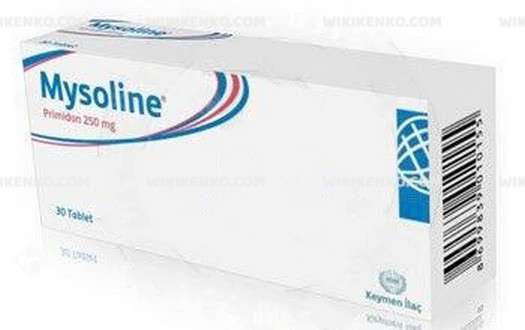
Description
Mysoline is a pharmaceutical medication containing 250 mg of Primidone per tablet. It is widely prescribed to manage epileptic seizures and treat essential tremors. Mysoline belongs to the barbiturate class and is considered an anticonvulsant due to its ability to stabilize overactive neural activity in the brain.
Pharmacological Profile
Active Ingredient
The main component in Mysoline is Primidone, which is classified as a barbiturate with strong anticonvulsant effects. Primidone’s therapeutic scope includes treating:
- Grand mal seizures (also known as tonic-clonic seizures)
- Psychomotor seizures
- Focal seizures (Jacksonian seizures)
- Essential tremors
Mechanism of Action
Primidone functions by suppressing excessive neuronal activity, reducing the frequency and severity of seizures. Its efficacy is due not only to Primidone itself but also to its two active metabolites: Phenobarbital and Phenylethylmalonamide (PEMA). Both contribute significantly to its anticonvulsant properties by stabilizing neuronal excitability.
Indications
Mysoline is recommended for:
Epilepsy: Suitable for monotherapy or as an adjunctive treatment to control various types of seizures.
Essential Tremor: Often prescribed to manage and reduce tremors that impact daily activities.
Dosage and Administration
Recommended Dosage
| Patient Group | Initial Dose | Maintenance Dose |
|---|---|---|
| Adults | 125 mg in the evening | 750 mg to 1500 mg daily (gradual increase over several days) |
| Children | Adjusted by age and weight, similar pattern as adults | Varies by age and response |
Administration Guidelines
Mysoline is administered orally with water.
Follow the prescribed dosage carefully to minimize potential side effects.
Adjustments should be gradual, especially in pediatric cases.
Contraindications and Precautions
Mysoline should not be used in individuals who:
Have a hypersensitivity to Primidone or other barbiturates.
Suffer from acute intermittent porphyria.
Special Precautions
Elderly individuals and those with renal impairment should use Mysoline with caution due to increased sensitivity to its effects.
Drug Interactions
Primidone can interact with various medications, affecting their efficacy or increasing adverse effects. Key interactions include:
- Other anticonvulsants
- Antidepressants (e.g., mianserin)
- Anticoagulants (e.g., dabigatran)
- Cardiovascular medications (e.g., bosentan)
Side Effects
The use of Mysoline is associated with a range of side effects, which vary in severity. Below is a detailed table of common, serious, and less common side effects:
| Category | Description |
|---|---|
| Common Side Effects | Drowsiness, dizziness, vertigo, nausea, vomiting, appetite loss, irritability, blurred vision. |
| Serious Side Effects | Allergic reactions, severe skin rashes, mood changes (e.g., depression), severe drowsiness, infection symptoms (e.g., fever, swollen glands). |
| Less Common Side Effects | Ataxia (lack of muscle coordination), emotional disturbances (e.g., anxiety), blood abnormalities (e.g., low white blood cells), megaloblastic anemia (treatable with folic acid). |
Most side effects are mild and may diminish over time or after adjusting the dosage. Serious side effects require immediate medical attention.
Comparison with Other Antiepileptic Drugs (AEDs)
Primidone is compared with other commonly prescribed antiepileptic drugs in terms of effectiveness, side effects, and clinical application:
| Comparison | Notes |
|---|---|
| Primidone vs. Carbamazepine | Both are effective for seizure control, but Carbamazepine often has fewer side effects, particularly in patients with emotional or cognitive issues. |
| Primidone vs. Phenobarbital | Equivalent in efficacy; Phenobarbital is favored for its lower incidence of cognitive impairment. |
| Primidone vs. Phenytoin | Phenytoin and Carbamazepine are more effective for partial seizures compared to Primidone. Primidone’s success rate is generally lower. |
| Primidone vs. Valproate | Valproate is preferred as an adjunctive therapy due to its broader efficacy for different seizure types and better tolerability. |
Side Effect Comparisons
Primidone is linked with several side effects that can influence drug choice:
Sedation, dizziness, and nausea are common.
Decreased libido and impotence are more frequent in Primidone users compared to those on Carbamazepine or Phenytoin.
Carbamazepine is often preferred due to a lower side effect profile, especially for patients with a history of emotional disturbances.
Dietary Considerations
While Mysoline can be taken with or without food, several dietary restrictions can optimize its safety and efficacy:
| Substance | Recommendation |
|---|---|
| Alcohol | Avoid alcohol; it may amplify dizziness, drowsiness, and confusion, increasing accident risks. |
| Caffeine | Limit caffeine intake (coffee, tea, chocolate); may increase agitation and headaches when combined with Mysoline. |
| Cannabis | Use with caution due to enhanced sedative effects. |
Consistency is key—taking Mysoline with food or on an empty stomach consistently helps maintain stable absorption levels.
Off-Label Uses of Mysoline
While Mysoline is primarily indicated for epilepsy, it has shown efficacy in other conditions:
Essential Tremor: Often used when beta-blockers are ineffective or poorly tolerated.
Other Potential Uses: Some small studies suggest benefits in treatment-resistant depression and bipolar disorder, although these are not well-established.
Mechanism of Action
Primidone acts by altering sodium and calcium channels in the brain, reducing abnormal nerve firing. This mechanism accounts for its anticonvulsant effects and its ability to mitigate tremors.
Guidelines for Missed Doses
If you miss a dose of Mysoline, follow these steps to maintain effectiveness:
| Timeframe | Action |
|---|---|
| Less than 6 hours to next dose | Skip the missed dose and proceed with your next scheduled dose. Do not double up. |
| More than 6 hours to next dose | Take the missed dose immediately and continue with the regular schedule. |
| General Advice | Take Mysoline at consistent times daily to maintain stable medication levels and reduce the likelihood of missed doses. |
If there is uncertainty about missed doses, consult a healthcare provider to adjust your medication plan accordingly.
Conclusion
Mysoline (Primidone) is a well-established anticonvulsant and tremor-reducing agent with a long history of clinical use. It remains a valuable option for patients with epilepsy and essential tremors, despite newer alternatives with improved side effect profiles. Proper adherence to dosage guidelines and monitoring of dietary and drug interactions can help maximize its benefits and minimize risks. Regular communication with healthcare providers ensures optimal use of this medication in various clinical settings.











Reviews
There are no reviews yet.