
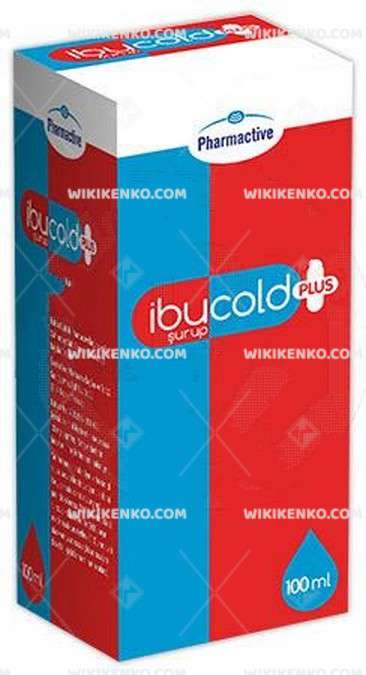
Description
Composition and Pharmaceutical Form
Each 5 mL of Ibucold Plus Syrup contains:
-
Ibuprofen 100 mg
-
Pseudoephedrine hydrochloride 15 mg
-
Chlorpheniramine maleate 1 mg
The product is presented as a light yellowish syrup in a 100 mL amber glass bottle, usually supplied with a calibrated measuring spoon for accurate dosing.
Mechanism of Action
Ibuprofen
Ibuprofen is a non‑steroidal anti‑inflammatory drug (NSAID) that reduces pain, inflammation, and fever by inhibiting cyclo‑oxygenase (COX) enzymes and subsequent prostaglandin synthesis. This leads to relief of headache, sore throat pain, muscle aches, and fever commonly associated with colds and flu.
Pseudoephedrine Hydrochloride
Pseudoephedrine is a sympathomimetic decongestant that causes vasoconstriction of blood vessels in the nasal mucosa, thereby reducing tissue swelling and nasal congestion. This action helps relieve stuffy nose, sinus pressure, and facilitates improved airflow through the upper airways.
Chlorpheniramine Maleate
Chlorpheniramine is a first‑generation H1 antihistamine that blocks the action of histamine at H1 receptors, reducing sneezing, rhinorrhea, and watery eyes. Due to its ability to cross the blood–brain barrier, it may also cause sedation in some patients.
Therapeutic Indications
Ibucold Plus Syrup is indicated for the symptomatic treatment of:
-
Fever and chills associated with common cold or flu
-
Headache, body aches, and sore throat pain
-
Nasal congestion and sinus pressure
-
Runny nose, sneezing, and other allergic‑type upper respiratory symptoms
It is intended to relieve symptoms but does not treat the underlying viral infection and should be used for the shortest duration necessary.
Recommended Dosage and Administration
Ibucold Plus Syrup is for oral use only and should be measured with the provided spoon or an appropriate measuring device to avoid dosing errors.
Exact recommended doses and age limits may vary by country and local regulatory guidance, but the manufacturer leaflet provides specific instructions for children and adults. As a general principle, ibuprofen‑containing combination cold medicines are typically used in children above a minimum age (often 6–12 years, depending on product) and adults, with dosing based on age and body weight and a maximum daily limit on ibuprofen and pseudoephedrine.
The medicine should not be given more frequently than the prescribed interval, and total daily dose must not exceed the maximum stated on the package leaflet. Treatment should usually not exceed a few days without medical advice, especially in children.
Method and timing of administration
The syrup may be taken with or shortly after food to reduce gastrointestinal irritation. Adequate fluid intake and rest are advised during therapy to support recovery from viral illness.
Contraindications
Ibucold Plus Syrup must not be used in the following situations:
-
Known hypersensitivity to ibuprofen, pseudoephedrine, chlorpheniramine, or any excipients
-
History of asthma, urticaria, or allergic‑type reactions after taking aspirin or other NSAIDs (ibuprofen cross‑reactivity)
-
Active or history of recurrent peptic ulcer or gastrointestinal bleeding
-
Severe cardiovascular disease, uncontrolled hypertension, or severe coronary artery disease
-
Severe renal or hepatic impairment
-
Narrow‑angle glaucoma, urinary retention, or severe prostatic hypertrophy (due to antihistamine and sympathomimetic effects)
-
Concomitant use of monoamine oxidase inhibitors (MAOIs) or within 14 days of stopping such treatment, because of risk of hypertensive crisis with pseudoephedrine
-
Certain pediatric ages below the minimum approved age (refer to local leaflet; many similar combinations are not recommended below 12 years, but Ibucold Plus is labeled with its own pediatric age limits).
Pregnancy, especially in the third trimester, and breastfeeding require special caution; ibuprofen and pseudoephedrine use in late pregnancy is generally discouraged, and medical advice is essential.
Warnings and Precautions
Ibucold Plus Syrup should be used with caution in patients with the following conditions:
-
History of gastrointestinal ulceration, bleeding, or inflammatory bowel disease
-
Hypertension, ischemic heart disease, peripheral arterial disease, or congestive heart failure
-
Diabetes mellitus, hyperthyroidism, or other conditions that may be worsened by sympathomimetics
-
Chronic kidney or liver disease
-
Asthma or other chronic respiratory disease
-
Glaucoma or predisposition to urinary retention
Because the product contains sucrose, it is unsuitable for patients with hereditary fructose intolerance, glucose‑galactose malabsorption, or sucrase‑isomaltase deficiency, and its sugar content should be considered in people with diabetes.
Prolonged use of NSAIDs like ibuprofen at high doses is associated with increased risk of gastrointestinal bleeding, ulceration, and, in some patients, cardiovascular events, particularly when used beyond the recommended duration. Children and caregivers should be instructed to stop treatment and seek medical help if symptoms persist, worsen, or if severe adverse effects appear.
Possible Drug Interactions
Because Ibucold Plus combines three active components, multiple interaction pathways must be considered.
Ibuprofen may interact with:
-
Anticoagulants and antiplatelet agents (e.g., warfarin, aspirin) increasing bleeding risk
-
Other NSAIDs and systemic corticosteroids, increasing gastrointestinal toxicity
-
ACE inhibitors, angiotensin receptor blockers (ARBs), diuretics, potentially reducing their antihypertensive effect and impairing renal function
-
Certain selective serotonin reuptake inhibitors (SSRIs), further increasing bleeding risk
Pseudoephedrine may interact with:
-
MAOIs and other sympathomimetic drugs, increasing risk of hypertensive crisis or arrhythmia
-
Some antihypertensives, potentially decreasing their effectiveness
Chlorpheniramine may interact with:
-
Alcohol, sedatives, and other central nervous system depressants, enhancing drowsiness
-
Other anticholinergic drugs, increasing risk of dry mouth, urinary retention, or constipation
Patients should inform their doctor or pharmacist about all medicines and supplements they are taking before using Ibucold Plus Syrup.
Adverse Reactions and Safety Profile
Ibucold Plus Syrup, like other combination cold medicines, may cause both common and rare side effects. Most reactions are mild and reversible, but some can be serious and require immediate medical attention.
Common and less serious side effects
Commonly reported reactions include:
-
Gastrointestinal: nausea, vomiting, abdominal pain, diarrhea, flatulence, constipation, dyspepsia
-
Nervous system: headache, dizziness, drowsiness, nervousness, or insomnia
-
Respiratory and ENT: dry mouth, thickened bronchial secretions, mild throat irritation
-
Skin: mild rash or pruritus
Many of these arise from NSAID‑related gastric irritation, antihistamine‑associated sedation, or sympathomimetic stimulation by pseudoephedrine.
Serious adverse effects
Serious adverse reactions are uncommon but clinically important:
-
Gastrointestinal bleeding, black tarry stools (melaena), or blood in vomit (hematemesis)
-
Severe abdominal pain suggestive of ulcer or pancreatitis
-
Severe allergic reactions such as angioedema, facial or throat swelling, urticaria, or anaphylaxis
-
Severe skin reactions including erythema multiforme or bullous eruptions (e.g., Stevens–Johnson syndrome), though these are very rare
-
Visual disturbances or severe headache that might suggest increased blood pressure or other neurological complications
-
Signs of liver dysfunction (yellowing of skin or eyes, dark urine) or significant bruising and bleeding tendencies suggesting hematologic changes
In any of these situations, treatment should be stopped immediately and urgent medical care sought.
Use in Special Populations
Pediatric use
Ibucold Plus Syrup is specifically formulated with pediatric‑appropriate strengths but has defined age limits and dose recommendations that must be respected. Over‑the‑counter cough and cold combinations in children require caution because of potential toxicity when overdosed or misused. Caregivers should never exceed the recommended dose or frequency and should avoid concurrent administration of other ibuprofen, pseudoephedrine, or antihistamine products.
Elderly
Older adults may be more susceptible to adverse effects such as gastrointestinal bleeding, renal impairment, and cardiovascular events from NSAIDs, as well as blood pressure increases from pseudoephedrine and sedation from chlorpheniramine. Dose and duration should be minimized and used under medical supervision in older patients.
Pregnancy and breastfeeding
Use in pregnancy, especially after the second trimester, is generally discouraged due to potential risks from NSAIDs (e.g., premature closure of the fetal ductus arteriosus) and sympathomimetics. During breastfeeding, ibuprofen is usually considered compatible at typical doses, but pseudoephedrine and chlorpheniramine may affect the infant or milk production, so a careful risk–benefit assessment with a physician is required.
Overdose
Overdose may involve any or all of the three active components. Symptoms can include severe nausea and vomiting, abdominal pain, drowsiness or agitation, rapid heart rate, elevated blood pressure, tremor, convulsions, or respiratory depression, depending on the dominant substance effect. In suspected overdose, immediate medical evaluation is essential, and treatment is symptomatic and supportive, with attention to airway, circulation, and potential decontamination according to clinical judgment.
Practical Advice for Patients and Caregivers
Patients should be advised to:
-
Use Ibucold Plus Syrup only for short‑term relief of cold and flu symptoms.
-
Measure doses carefully using a proper measuring device.
-
Avoid other medicines containing ibuprofen, pseudoephedrine, or sedating antihistamines concurrently, unless advised by a healthcare professional.
-
Avoid alcohol due to additive sedative and gastrointestinal effects.
-
Monitor for warning signs such as severe abdominal pain, black stools, breathing difficulty, swelling of face or throat, or unusual bruising, and seek urgent care if they occur.
For any patient with significant comorbidities (cardiovascular disease, peptic ulcer disease, renal or hepatic impairment, severe asthma, or complex polypharmacy), medical consultation before using Ibucold Plus Syrup is strongly recommended.
Summary Table: Key Clinical Information
| Category | Details for Ibucold Plus Syrup |
|---|---|
| Active ingredients | Ibuprofen 100 mg, pseudoephedrine HCl 15 mg, chlorpheniramine maleate 1 mg per 5 mL syrup. |
| Main benefits | Relief of fever, headache, sore throat, muscle aches, nasal congestion, runny nose, and sneezing due to cold or flu. |
| Indications | Symptomatic treatment of common cold and influenza‑like upper respiratory tract infections with pain, fever, and nasal congestion. |
| Dosage | Oral use; dose and frequency depend on age and body weight; do not exceed maximum daily dose or recommended duration on the package leaflet. |
| Usage notes | Take with or after food; measure with provided spoon; avoid concurrent duplicate ibuprofen/decongestant/antihistamine products. |
| Contraindications | Hypersensitivity to components; history of NSAID‑induced asthma or allergy; active or recurrent peptic ulcer/bleeding; severe cardiac, renal, or hepatic disease; glaucoma or urinary retention; use with MAOIs; certain pediatric age groups per local labeling. |
| Common side effects | Nausea, vomiting, abdominal pain, diarrhea, constipation, flatulence, headache, dizziness, drowsiness or insomnia, dry mouth, mild skin rash or pruritus. |
| Serious side effects | Gastrointestinal bleeding, severe abdominal pain, severe allergic reactions (angioedema, anaphylaxis), serious skin reactions (e.g., erythema multiforme, bullous eruptions), visual disturbances, signs of liver dysfunction, unusual bruising/bleeding. |
| Important precautions | Caution in patients with cardiovascular, renal, hepatic, or gastrointestinal disease, asthma, diabetes, glaucoma, urinary obstruction; contains sucrose and is unsuitable for certain hereditary sugar intolerances. |
| Special populations | Pediatric dosing strictly according to leaflet; caution and medical supervision in elderly; avoid or restrict use in pregnancy and breastfeeding after medical assessment. |
Important Disclaimer
This text is an educational overview and does not replace consultation with a doctor or pharmacist. For personalised advice on Ibucold Plus Syrup, including exact dosing, suitability for your health conditions and possible interactions with your existing medicines, you must seek professional medical guidance before use.















TesfayeK –
thanks
TesfayeK –
good
Medical Guidance Center –
Hello TesfayeK, this is WikiKenko. Thank you so much for your feedback! Your comments help us improve the information we provide. We really appreciate you taking the time to share your thoughts.