
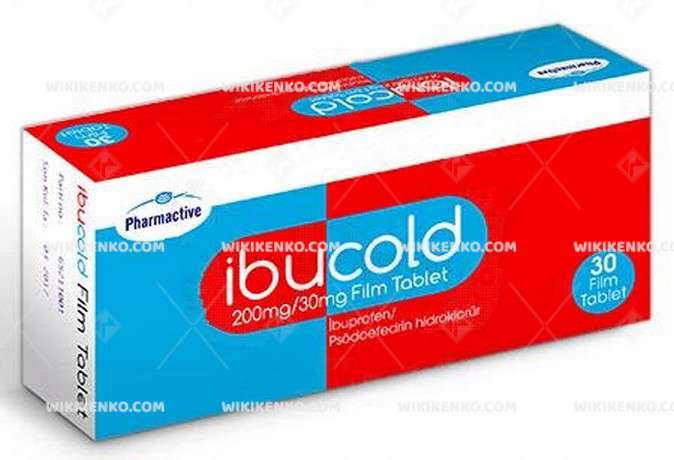
Description
Pharmaceutical Composition and Dosage Form
Qualitative and quantitative composition
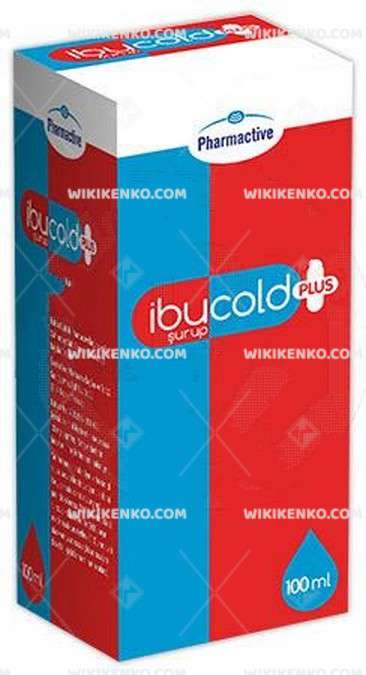
Each Ibucold Film Tablet is assumed to contain the following active substances per film‑coated tablet:
-
Ibuprofen 200 mg (as free acid or equivalent)
-
Pseudoephedrine hydrochloride 30 mg
This strength and qualitative composition correspond to authorized “Ibuprofen/Pseudoephedrine Hydrochloride 200 mg/30 mg film‑coated tablets” in Europe and the Middle East, which serve as regulatory reference products for this class.
Excipients may include standard tablet excipients such as microcrystalline cellulose, maize starch, croscarmellose sodium, colloidal silica, magnesium stearate, and film‑coating materials (e.g. hypromellose, titanium dioxide, macrogols, colorants), though exact excipient profiles are manufacturer‑specific and should be verified in the local product information.
Pharmaceutical form
-
Solid oral dosage form
-
Film‑coated tablets intended for oral administration
-
The film coating improves swallowability, protects the active ingredients from moisture and light, and may mask taste.
Mechanism of Action
Ibuprofen
Ibuprofen is a propionic‑acid derivative NSAID that exerts analgesic, antipyretic and anti‑inflammatory effects primarily through non‑selective, reversible inhibition of cyclo‑oxygenase isoenzymes COX‑1 and COX‑2. This inhibition reduces synthesis of prostaglandins that mediate peripheral pain sensitization, fever generation in the hypothalamus, and inflammatory responses in tissues.
At a 200 mg oral dose, ibuprofen is effective in mild‑to‑moderate nociceptive pain (e.g. headache, myalgia, odontalgia, dysmenorrhea) and for reduction of elevated body temperature in viral upper respiratory tract infections.
Pseudoephedrine hydrochloride
Pseudoephedrine is a sympathomimetic amine with predominant indirect and mild direct agonist activity at adrenergic receptors, particularly α‑adrenergic receptors in the nasal mucosa vasculature. It induces vasoconstriction of dilated blood vessels in nasal passages and paranasal sinuses, thereby:
-
Reducing mucosal edema
-
Improving nasal airflow
-
Decreasing sensation of nasal and sinus congestion
Systemic pseudoephedrine has negligible direct effect on β2‑receptors at therapeutic doses but may increase heart rate and blood pressure via peripheral vasoconstriction and modest β1‑receptor stimulation.
Rationale for combination
The ibuprofen–pseudoephedrine combination provides multi‑symptom relief in common cold and flu:
-
Ibuprofen: alleviates headache, sore throat pain, myalgia, arthralgia, and fever.
-
Pseudoephedrine: reduces nasal congestion, sinus pressure, and associated discomfort.
This allows a single product to manage several predominant symptoms simultaneously without exposing the patient to unnecessary additional active substances (e.g. antihistamines or antitussives) if not clinically indicated.
Indications and Clinical Uses
Approved/typical indications
Based on analogous ibuprofen/pseudoephedrine 200/30 mg products, Ibucold Film Tablet is used in adults and adolescents for short‑term symptomatic treatment of:
-
Nasal and sinus congestion associated with common cold or influenza
-
Headache, sinus pain and facial pressure due to acute viral rhinosinusitis
-
Fever and generalized aches and pains accompanying upper respiratory tract infections
It is not intended for chronic use nor for disease‑modifying treatment; its role is limited to symptomatic relief until resolution of the self‑limited viral illness or until specific therapy is instituted if a bacterial complication is diagnosed.
Population
-
Adults
-
Adolescents (age cut‑off commonly ≥ 12 years; exact lower age limit should follow local product information)
Use in younger children is generally not recommended for this strength because of the systemic pseudoephedrine component and the 200 mg ibuprofen dose.
Posology and Method of Administration
Recommended dose (typical for 200/30 mg)
Regulatory documents for ibuprofen/pseudoephedrine 200/30 mg film‑coated tablets generally recommend:
-
Adults and adolescents ≥ 12 years:
-
1 tablet every 4–6 hours as needed.
-
If symptoms are more intense, 2 tablets may be taken initially, then 1 tablet every 4–6 hours.
-
Maximum: usually 6 tablets (equivalent to 1200 mg ibuprofen and 180 mg pseudoephedrine) in 24 hours.
-
The lowest effective dose for the shortest possible duration should be used. Treatment duration should not exceed 5 days for pain and 3 days for fever without medical evaluation, due to NSAID‑related and sympathomimetic‑related adverse effect risks.
Method of administration
-
Oral use.
-
Swallow tablets whole with water, preferably with food or milk in patients prone to gastrointestinal upset.
-
Do not crush or chew film‑coated tablets.
Special populations
-
Elderly: use with caution; start at the lowest effective dose due to increased susceptibility to NSAID‑related gastrointestinal, renal and cardiovascular adverse events and heightened sensitivity to sympathomimetics.
-
Renal impairment: avoid in severe renal impairment; consider dose reduction and careful monitoring in mild to moderate impairment due to ibuprofen’s renal prostaglandin‑dependent effects.
-
Hepatic impairment: contraindicated in severe hepatic failure; use cautiously in mild‑to‑moderate dysfunction.
-
Paediatric: avoid below the minimum approved age; paediatric formulations of ibuprofen without pseudoephedrine are often preferred.
Pharmacokinetic Properties
Absorption
-
Ibuprofen: rapidly absorbed from the gastrointestinal tract; peak plasma concentrations typically within 1–2 hours after oral administration of immediate‑release formulations. Food may delay Tmax but does not significantly reduce overall bioavailability.
-
Pseudoephedrine: well absorbed orally; peak concentrations reached within 1–3 hours.
Distribution
-
Ibuprofen: high plasma protein binding (~99%), relatively small apparent volume of distribution, with distribution into synovial fluid and inflamed tissues.
-
Pseudoephedrine: moderate distribution in body water; crosses the placenta and is excreted in breast milk in small amounts.
Metabolism and elimination
-
Ibuprofen: extensively hepatic‑metabolized via oxidation and conjugation to inactive metabolites excreted primarily in urine; elimination half‑life approximately 2 hours in healthy adults.
-
Pseudoephedrine: partially metabolized hepatically via N‑demethylation, with 55–90% excreted unchanged in urine; elimination half‑life 5–8 hours, shortened in acidic urine and prolonged in alkaline urine or renal impairment.
No major pharmacokinetic interaction between the two components is expected at therapeutic doses.
Clinical Efficacy and Evidence Base
Randomized controlled trials of ibuprofen 200 mg plus pseudoephedrine 30 mg combinations (often compared with placebo, ibuprofen alone, or pseudoephedrine alone) in adults with common cold or acute sinusitis‑like symptoms have shown:
-
Superior reduction of nasal congestion scores versus ibuprofen alone.
-
Improved relief of headache and sinus pain versus pseudoephedrine alone, attributable to the analgesic action of ibuprofen.
-
Faster and more comprehensive symptom relief (headache, facial pain, nasal obstruction, pressure) than monotherapy with either component in many subjects.
NSAID dose in these combinations (200 mg) remains within the standard OTC single dose range, and pseudoephedrine 30 mg is within established decongestant dosing limits, supporting an acceptable benefit–risk balance when used short‑term in appropriate patients.
Safety Profile and Adverse Reactions
The safety profile of Ibucold Film Tablet reflects the combined adverse effects of ibuprofen (NSAID class) and pseudoephedrine (sympathomimetic decongestant). In short‑term use at recommended doses, most adverse reactions are mild to moderate and transient, but serious events may occur, particularly in at‑risk populations or with misuse.
Common adverse reactions
Commonly reported undesirable effects include:
-
Gastrointestinal: dyspepsia, abdominal pain, nausea, vomiting, heartburn, flatulence, diarrhea or constipation.
-
Central nervous system: headache, dizziness, nervousness, insomnia, agitation or restlessness (often attributable to pseudoephedrine).
-
General: fatigue, malaise.
Less common but clinically important adverse reactions
-
Gastrointestinal (ibuprofen): gastric or duodenal ulcer, gastrointestinal bleeding or perforation, oesophagitis, gastritis, melena or hematemesis, especially in elderly patients, those with prior ulcer disease, or concomitant anticoagulant/antiplatelet therapy.
-
Cardiovascular (pseudoephedrine ± NSAID class effect): increased blood pressure, palpitations, tachycardia, arrhythmias, potential precipitation or worsening of hypertension, angina, or ischemic events in susceptible individuals. NSAIDs at high doses or long‑term use may be associated with increased thrombotic risk.
-
Renal (ibuprofen): decreased renal perfusion, acute kidney injury, sodium and water retention, worsening of pre‑existing renal impairment or heart failure.
-
Hypersensitivity: skin rash, pruritus, urticaria, bronchospasm, asthma exacerbation, angioedema, anaphylactoid reactions. Patients with aspirin‑sensitive asthma are at particular risk.
-
Central nervous system, pseudoephedrine: anxiety, tremor, insomnia, rarely hallucinations or psychotic symptoms in predisposed persons or at high doses.
-
Dermatologic (ibuprofen): photosensitivity reactions; very rare but serious cutaneous adverse reactions such as Stevens–Johnson syndrome, toxic epidermal necrolysis, and drug reaction with eosinophilia and systemic symptoms.
Very rare events
Post‑marketing pharmacovigilance for ibuprofen/pseudoephedrine combinations, as well as structurally analogous Turkish products, has identified rare cases of:
-
Serious gastrointestinal hemorrhage leading to hospitalization.
-
Acute renal failure, particularly in dehydrated patients or those on concurrent nephrotoxic agents.
-
Severe hypersensitivity including anaphylaxis.
-
Neurovascular complications (e.g. posterior reversible encephalopathy syndrome or reversible cerebral vasoconstriction) temporally associated with pseudoephedrine in isolated case reports, leading to regulatory reinforcement of contraindications in patients with severe or uncontrolled hypertension and severe cerebrovascular risk.
Contraindications
Ibucold Film Tablet is contraindicated in the following situations (based on ibuprofen/pseudoephedrine labeling and Turkish ibuprofen‑pseudoephedrine film‑coated tablet leaflets):
-
Hypersensitivity to ibuprofen, pseudoephedrine, other NSAIDs, or any excipient.
-
History of bronchospasm, asthma, rhinitis, angioedema, or urticaria triggered by aspirin or other NSAIDs.
-
Active or recurrent peptic ulcer or gastrointestinal bleeding, or history of gastrointestinal perforation or bleeding related to NSAIDs.
-
Severe heart failure, severe coronary artery disease, severe hypertension, or severe peripheral or cerebrovascular disease.
-
Severe renal impairment or severe hepatic impairment.
-
Concomitant use of monoamine oxidase inhibitors (MAOIs) or within 14 days of stopping MAOIs due to risk of hypertensive crisis.
-
Concomitant use of other systemic vasoconstrictive decongestants (e.g. other pseudoephedrine, phenylephrine) or other NSAIDs, including COX‑2 inhibitors, because of additive adverse effects.
-
Third trimester of pregnancy (see Section 11).
-
Children below the authorised minimum age (usually < 12 years for this strength).
Warnings and Precautions
Gastrointestinal risk
-
Use with extreme caution in patients with a history of peptic ulcer, inflammatory bowel disease, or gastrointestinal bleeding.
-
Co‑administration with gastroprotective agents (e.g. proton pump inhibitors) may be considered in high‑risk patients if therapy is necessary.
-
Therapy must be discontinued immediately if gastrointestinal bleeding or ulceration occurs (e.g. melena, hematemesis, severe abdominal pain).
Cardiovascular and cerebrovascular risk
-
Pseudoephedrine can increase blood pressure and heart rate; it is contraindicated in severe or uncontrolled hypertension and should be used cautiously in controlled hypertension, diabetes mellitus with vascular complications, and hyperthyroidism.
-
NSAIDs, including ibuprofen (especially at higher doses and prolonged use), may be associated with a small increase in risk of arterial thrombotic events (myocardial infarction, stroke).
-
Patients with cardiovascular risk factors (e.g. hypertension, hyperlipidemia, diabetes, smoking) should avoid prolonged or unnecessary use.
Renal and hepatic function
-
NSAIDs can cause dose‑dependent reductions in renal prostaglandin synthesis, leading to fluid retention, edema, and potential deterioration of renal function.
-
Patients with pre‑existing renal or hepatic disease, the elderly, and those on diuretics, ACE inhibitors, or angiotensin receptor blockers require close monitoring if treatment is needed.
Respiratory disorders
-
NSAIDs may precipitate bronchospasm in patients with asthma or a history of aspirin‑sensitive asthma.
-
Such patients should use alternative therapies or take the product only under careful medical supervision.
Central nervous system and psychiatric effects
-
Pseudoephedrine may induce insomnia, nervousness, irritability, or anxiety; administration should be avoided close to bedtime.
-
Patients with underlying anxiety disorders, psychosis, or bipolar disorder should use cautiously, if at all.
Other precautions
-
Patients should avoid alcohol while taking Ibucold Film Tablet due to increased risk of gastrointestinal irritation and potential CNS effects.
-
Athletes should be aware that pseudoephedrine is subject to doping regulations at certain doses in competitive sports.
Drug–Drug Interactions
-
Anticoagulants and antiplatelet agents (e.g. warfarin, direct oral anticoagulants, aspirin, clopidogrel): enhanced risk of gastrointestinal bleeding.
-
Other NSAIDs including COX‑2 inhibitors: increased risk of adverse gastrointestinal and renal effects without additional efficacy; concomitant use is not recommended.
-
Diuretics, ACE inhibitors, angiotensin II receptor blockers: ibuprofen may reduce antihypertensive efficacy and increase nephrotoxicity risk.
-
Lithium: potential increase in serum lithium concentrations due to reduced renal clearance.
-
Methotrexate (especially at high doses): increased methotrexate toxicity via reduced renal clearance.
-
Cardiac glycosides (e.g. digoxin): possible increase in serum levels.
-
MAO inhibitors (e.g. selegiline, phenelzine) and linezolid: risk of severe hypertensive reactions; combination is contraindicated or requires strict medical supervision depending on local labeling.
-
Other sympathomimetics (e.g. phenylephrine, phenylpropanolamine, stimulant anorectics): additive cardiovascular and CNS stimulation; avoid concomitant use.
-
Tricyclic antidepressants: may potentiate sympathomimetic response.
-
Antihypertensive drugs: pseudoephedrine may reduce the effect of β‑blockers, methyldopa, and other antihypertensives.
Patients using complex polypharmacy (e.g. older adults with cardiovascular, psychiatric, or metabolic comorbidities) should undergo medication review before using Ibucold Film Tablet.
Use in Pregnancy and Lactation
Pregnancy
-
First and second trimester: Ibuprofen should be avoided unless considered clearly necessary; NSAIDs have been associated with increased risk of miscarriage and malformations in some epidemiological studies when used early in pregnancy. Pseudoephedrine’s vasoconstrictive action raises theoretical concerns regarding uteroplacental blood flow.
-
Third trimester: Ibucold Film Tablet is contraindicated, because ibuprofen may cause premature closure of the fetal ductus arteriosus, fetal renal dysfunction with oligohydramnios, and inhibition of uterine contractions leading to prolonged labor and increased maternal hemorrhage risk. Sympathomimetics may also provoke maternal hypertension.
Lactation
-
Ibuprofen is excreted in breast milk in very low concentrations and is generally considered compatible with breastfeeding at usual doses.
-
Pseudoephedrine passes into breast milk and has been associated with irritability in infants and reduction of milk production in some women.
-
Short‑term use may be acceptable in some contexts, but non‑decongestant ibuprofen‑only preparations or local nasal decongestants may be preferable; medical advice is recommended.
Overdose
Ibuprofen component
Ingestions > 400 mg/kg in children and significantly high doses in adults may lead to:
-
Nausea, vomiting, abdominal pain, drowsiness, dizziness.
-
In severe cases: metabolic acidosis, convulsions, coma, renal failure, hypotension, respiratory depression.
Pseudoephedrine component
Significant overdose may cause:
-
Marked agitation, tremor, insomnia, anxiety, hallucinations, seizures.
-
Sinus tachycardia, hypertension, arrhythmias, potential cardiovascular collapse.
Management
-
There is no specific antidote.
-
Primary management: supportive and symptomatic treatment, monitoring of vital signs, maintenance of airway, breathing, circulation.
-
Activated charcoal may be considered soon after ingestion of a potentially toxic amount.
-
In severe pseudoephedrine toxicity, short‑acting antihypertensives and benzodiazepines (for agitation or seizures) may be required under intensive monitoring.
Summary of Key Properties (Structured Table)
| Parameter | Ibuprofen component | Pseudoephedrine component |
|---|---|---|
| Pharmacological class | Non‑steroidal anti‑inflammatory drug (NSAID) | Sympathomimetic nasal decongestant |
| Typical strength in Ibucold Film Tablet | 200 mg per film‑coated tablet | 30 mg per film‑coated tablet |
| Primary therapeutic actions | Analgesic, antipyretic, anti‑inflammatory | Reduces nasal and sinus congestion by vasoconstriction |
| Main clinical symptoms targeted | Headache, sore throat pain, myalgia, arthralgia, fever | Stuffy nose, nasal obstruction, sinus pressure, facial fullness |
| Key safety concerns | Gastrointestinal ulcer/bleeding, renal impairment, hypersensitivity, rare severe skin reactions | Hypertension, tachycardia, insomnia, anxiety, interaction with MAOIs and other sympathomimetics |
| Major contraindications (examples) | History of NSAID‑induced ulcer or GI bleeding, aspirin‑sensitive asthma, severe renal/hepatic failure, third trimester of pregnancy | Severe or uncontrolled hypertension, severe coronary or cerebrovascular disease, concomitant MAOIs, severe arrhythmias |
Clinical Positioning and Practical Considerations
Ibucold Film Tablet (ibuprofen 200 mg + pseudoephedrine HCl 30 mg) is positioned as a short‑term, multi‑symptom oral therapy for adults and older adolescents with viral upper respiratory tract infections characterized by the triad of pain/fever, nasal congestion, and sinus pressure. Its dual‑component design is rational and supported by clinical experience with similar fixed combinations in Europe and other regions.
However, careful patient selection is essential. Individuals with significant gastrointestinal, renal, cardiovascular, cerebrovascular, or psychiatric comorbidities, those taking interacting medicines, pregnant or breastfeeding women, and children below the approved age threshold require alternative therapies or individualized medical assessment. The product should be used at the lowest effective dose and for the shortest duration necessary, with clear instructions to discontinue and seek medical attention if severe adverse reactions or lack of symptomatic improvement occur.











Reviews
There are no reviews yet.