

Description
Uses and Indications
Treatment of Blood Cell Disorders
Calcium Folinate is often prescribed to treat or prevent blood cell disorders, which can result from certain drugs, including folic acid antagonists like methotrexate, trimethoprim, and pyrimethamine. It helps manage the following conditions:
- Thrombocytopenia: A condition characterized by a low platelet count, which can increase the risk of bleeding.
- Neutropenia: A low white blood cell count, which heightens vulnerability to infections.
- Anemia: A deficiency of red blood cells that leads to symptoms such as fatigue, weakness, and shortness of breath.
Cancer Treatment
One of the key uses of Calcium Folinate is its role in cancer treatment, specifically in combination with the chemotherapy drug 5-fluorouracil (5-FU). When administered with 5-FU, it stabilizes the interaction between 5-FU and thymidylate synthase, enhancing the cytotoxic effects on cancer cells. This combination is commonly used in the treatment of colorectal cancer.
Management of Methotrexate Toxicity
Calcium Folinate is also essential in counteracting the toxic effects of methotrexate, a chemotherapy agent. It acts as a “rescue” agent by mitigating the damage methotrexate can cause to healthy cells without reducing its efficacy in targeting cancer cells.
Dosage and Administration
Dosage Forms
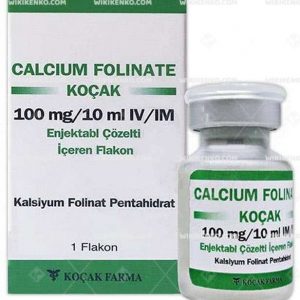
Calcium Folinate DBL Injection Solution comes in several forms to accommodate various treatment needs:
- 15 mg/2 mL
- 50 mg/5 mL
- 300 mg/30 mL
Administration Guidelines
The administration of Calcium Folinate depends on the patient’s specific medical condition. The medication is typically given via injection, either intravenously (IV) or intramuscularly (IM). Dosage and frequency vary based on the following scenarios:
- Methotrexate Toxicity: For adults and children, the typical dose is 15 mg (approximately 10 mg/m²) every 6 hours until methotrexate levels drop below 0.01 micromolar. The dose is adjusted based on renal function.
- Cancer Treatment: When used in combination with 5-fluorouracil for colorectal cancer, adults receive doses ranging from 200 mg/m² to 500 mg/m², administered intravenously over two hours, followed by 5-FU.
- Megaloblastic Anemia: For adults and children, the dosage ranges from 1 mg to 5 mg per day, administered intravenously or intramuscularly.
Side Effects
Common Side Effects
Like all medications, Calcium Folinate may cause side effects, although not everyone experiences them. Common side effects include:
- Nausea
- Vomiting
- Diarrhea
- Fatigue
Serious Side Effects
In rare cases, patients may experience more severe reactions. These include:
- Allergic reactions (rash, itching, swelling)
- Difficulty breathing
- Severe dizziness
Patients should seek immediate medical assistance if any of these serious side effects occur.
Precautions and Warnings
Contraindications
There are specific contraindications for Calcium Folinate, meaning it should not be used in the following cases:
- Hypersensitivity: Patients with known hypersensitivity to folinic acid or its excipients should avoid using this medication.
- Pernicious Anemia: Calcium Folinate should not be used to treat pernicious anemia or other anemias caused by vitamin B12 deficiency, as it can mask symptoms without addressing the underlying problem.
- Folic Acid Deficiency: It is not effective for treating folic acid deficiency.
Drug Interactions
Calcium Folinate may interact with other medications, such as:
- Anticonvulsants: Drugs like phenobarbital and phenytoin may have reduced efficacy when taken with large doses of Calcium Folinate, potentially leading to more frequent seizures.
- Chemotherapy Agents: When used with 5-fluorouracil, Calcium Folinate enhances its effects. Conversely, it must be administered carefully with methotrexate to avoid reducing methotrexate’s effectiveness.
Medical History
Patients should inform their healthcare provider of their complete medical history, including any history of kidney disease, liver disease, or anemia due to vitamin B12 deficiency.
Storage Guidelines
Calcium Folinate DBL Injection Solution should be stored with care to preserve its effectiveness. Below are the recommended storage conditions:
- Temperature: Store the medication between 2°C and 8°C (36°F to 46°F).
- Protection from Light: Keep the vials in their outer packaging to shield them from light.
- Do Not Freeze: Ensure the medication is not exposed to freezing conditions.
- Shelf Life: The shelf life of Calcium Folinate is typically two years.
Usage During Pregnancy and Breastfeeding
Pregnancy
Calcium Folinate can be used during pregnancy, although it is essential to consult a healthcare provider for personalized guidance. Research indicates it is safe to use during all trimesters when prescribed for appropriate medical conditions.
Breastfeeding
Similarly, Calcium Folinate is considered safe for use while breastfeeding. However, as with any medication, it is recommended to consult with a healthcare provider before use.
Monitoring and Follow-Up
Patients using Calcium Folinate DBL Injection Solution should adhere to a monitoring schedule outlined by their healthcare provider. This may involve:
- Regular Check-ups: To monitor the patient’s response to treatment and adjust the dosage as necessary.
- Blood Tests: To track blood cell counts and ensure the medication is working effectively.
Key Information Table
| Category | Details |
|---|---|
| Active Ingredient | Calcium Folinate (Leucovorin) |
| Common Uses | Treatment of blood disorders, cancer treatment, methotrexate toxicity |
| Dosage Forms | 15 mg/2 mL, 50 mg/5 mL, 300 mg/30 mL |
| Administration | Intravenous (IV), Intramuscular (IM) |
| Common Side Effects | Nausea, vomiting, diarrhea, fatigue |
| Serious Side Effects | Allergic reactions, difficulty breathing, severe dizziness |
| Contraindications | Hypersensitivity, pernicious anemia, folic acid deficiency |
| Drug Interactions | Anticonvulsants, chemotherapy drugs (5-FU, methotrexate) |
| Pregnancy/Breastfeeding | Safe for use; consult healthcare provider |
| Storage | 2°C to 8°C, protect from light, do not freeze |
Conclusion
Calcium Folinate DBL Injection Solution 300 mg is a versatile and essential medication in oncology and hematology. It effectively reduces the toxic effects of chemotherapy drugs, treats certain blood cell disorders, and manages methotrexate toxicity. With proper dosage, administration, and monitoring, it offers significant benefits for patients undergoing these treatments. Always consult a healthcare provider to determine the appropriate use and dosage for your specific medical condition












Reviews
There are no reviews yet.