

Description
Active Ingredient
The active component of this injection is Calcium Folinate, which is a form of folinic acid. Folinic acid is an active metabolite of folic acid (vitamin B9) and is utilized in various medical conditions to counter the effects of folic acid antagonists like methotrexate.
Uses and Indications
- Chemotherapy Adjunct Calcium Folinate is frequently administered as a supplementary agent during chemotherapy, particularly with methotrexate. Methotrexate is a potent chemotherapy drug used to treat various cancers. Calcium Folinate helps protect healthy cells from the harmful effects of methotrexate, ensuring that the drug effectively targets cancerous cells.
- Treatment of Anemia This medication is effective in treating megaloblastic anemia caused by folate deficiency. It aids in the production of healthy red blood cells, thereby addressing the symptoms of anemia, such as fatigue, weakness, and pallor.
- Overdose Management Calcium Folinate serves as a critical rescue agent in managing overdoses of folic acid antagonists, such as methotrexate. It helps reduce the toxicity of these drugs, thereby preventing severe adverse effects.
Dosage
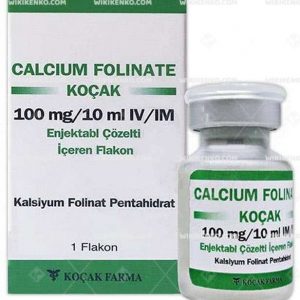
The dosage of Calcium Folinate DBL Injection Solution 100 mg varies according to the condition being treated, the patient’s response, and other clinical factors. Typically, it is administered by a healthcare professional in a hospital or clinical setting.
Administration
Calcium Folinate can be administered either intravenously (IV) or intramuscularly (IM). The choice of administration depends on the specific medical condition being treated and the patient’s overall health. For chemotherapy adjunct therapy, IV administration is preferred, while IM administration may be used in other clinical circumstances.
Side Effects
Like all medications, Calcium Folinate can cause side effects. These may range from mild to severe, depending on the patient’s overall health and other medications being taken.
| Side Effect Type | Details |
|---|---|
| Common Side Effects | Nausea, vomiting, diarrhea, fatigue. |
| Serious Side Effects | Allergic reactions (rash, itching, swelling), difficulty breathing, severe dizziness. |
Patients experiencing severe side effects should seek immediate medical attention.
Precautions and Warnings
- Allergies Patients who are allergic to folinic acid or any other components of the medication should avoid using Calcium Folinate. Prior consultation with a healthcare provider is essential to assess potential allergic reactions.
- Existing Medical Conditions Before initiating treatment, patients should inform their healthcare provider about any underlying medical conditions, particularly those related to kidney or liver function. These conditions may affect how the body metabolizes and reacts to the medication.
- Drug Interactions Calcium Folinate may interact with other medications, such as certain antibiotics and anticonvulsants. These interactions may alter the effectiveness of Calcium Folinate or the other medications being taken. Patients should provide a complete list of medications to their healthcare provider to avoid potential interactions.
How Calcium Folinate is Administered
The method of administration for Calcium Folinate DBL Injection Solution 100 mg depends on the patient’s specific medical needs:
- Intravenous (IV): This involves injecting the medication directly into a vein for fast absorption and effect. It is commonly used in hospital settings for rapid treatment.
- Intramuscular (IM): This method injects the medication into a muscle, resulting in slower absorption, which may be desirable for certain conditions.
Healthcare professionals generally oversee the administration to ensure correct dosing and minimize adverse reactions.
Alternatives to Calcium Folinate
Several alternatives to Calcium Folinate are available for patients, depending on their medical needs:
| Alternative | Description |
|---|---|
| Leucovorin | Another form of folinic acid, often used interchangeably with Calcium Folinate in chemotherapy. |
| Levomefolate Calcium | A form of 5-MTHF, used as an alternative to folic acid or folinic acid in various treatments. |
| Folic Acid | A synthetic form of vitamin B9, commonly used in supplements and converted into its active form in the body. |
| L-Methylfolate | An active form of folate beneficial for individuals with genetic mutations affecting folate metabolism. |
These alternatives are selected based on the patient’s condition, and a healthcare provider should be consulted to determine the most appropriate treatment.
Benefits
Calcium Folinate DBL Injection Solution 100 mg offers multiple benefits in both cancer therapy and the treatment of certain blood disorders.
- Reduction of Chemotherapy Toxicity
One of the primary benefits is its ability to reduce the harmful effects of chemotherapy drugs like methotrexate. It protects healthy cells from damage, allowing cancer cells to be effectively targeted. - Treatment of Blood Cell Disorders
Calcium Folinate is also used to prevent or treat blood disorders such as thrombocytopenia, neutropenia, and anemia, which are often side effects of folic acid antagonists. - Management of Megaloblastic Anemia
In patients suffering from megaloblastic anemia due to folate deficiency, Calcium Folinate can promote the production of healthy red blood cells, significantly improving the patient’s condition. - Support in Colorectal Cancer Treatment
When used in combination with the chemotherapy drug 5-fluorouracil (5-FU), Calcium Folinate has been shown to enhance survival in patients with advanced colorectal cancer. - Overdose Management
Calcium Folinate plays a critical role in managing overdoses of folic acid antagonists by reducing toxicity and preventing life-threatening complications. - Flexible Administration
The medication can be administered via IV or IM, allowing flexibility in treatment based on the patient’s needs and the healthcare provider’s recommendation.
Drug Interactions
Calcium Folinate can interact with a variety of medications and substances. It is essential for healthcare providers to monitor and adjust dosages as necessary to prevent adverse effects.
| Interaction | Effect |
|---|---|
| Anticancer Medications | Increases the likelihood of side effects such as nausea, vomiting, severe diarrhea, and dehydration. |
| Antiepileptic Drugs | Large amounts of folic acid may reduce the effectiveness of antiepileptic drugs, increasing seizure risk. |
| Antibiotics | May reduce the efficacy of certain antibiotics, necessitating careful monitoring. |
Role in Colorectal Cancer Treatment
Calcium Folinate plays a vital role in colorectal cancer treatment, particularly when used with 5-fluorouracil (5-FU). The combination enhances the cytotoxic effects of 5-FU, leading to improved outcomes in advanced colorectal cancer cases.
- Mechanism of Action
Calcium Folinate stabilizes the bond between 5-FU and thymidylate synthase, increasing inhibition of DNA synthesis in cancer cells and enhancing the drug’s effectiveness. - Dosage and Frequency
The typical regimen involves administering 200 mg/m² of Calcium Folinate via slow IV injection, followed by 5-FU, over a five-day course. Treatment is repeated every four weeks, with adjustments made based on the patient’s tolerance. - Monitoring
Due to the potential for severe side effects, including dehydration, nausea, and diarrhea, patients are closely monitored during treatment. Dosage adjustments may be necessary to manage side effects effectively.
Conclusion
Calcium Folinate DBL Injection Solution 100 mg is a valuable medication in oncology and hematology, especially for reducing chemotherapy toxicity and managing folate deficiency-related anemias. With its broad range of applications and significant benefits, it plays a crucial role in patient care, particularly in cancer treatments and overdose management.












Reviews
There are no reviews yet.