
Description
Qualitative and Quantitative Composition
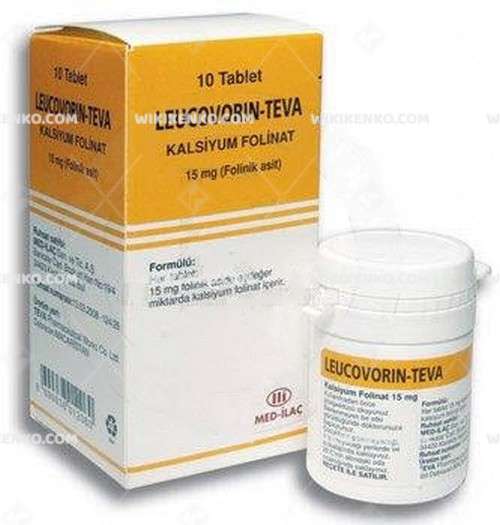
Each Leucovorin‑Teva tablet contains calcium folinate 16.2 mg, corresponding to folinic acid (leucovorin) 15 mg as the active substance. Calcium folinate is the calcium salt of 5‑formyltetrahydrofolic acid, the pharmacologically active reduced folate.
Excipients vary by market, but typical formulations of 15 mg calcium folinate tablets contain standard tablet excipients such as lactose, starches, and magnesium stearate; prescribers should consult the local Summary of Product Characteristics (SmPC) for the full excipient list.
Pharmaceutical Form and Product Characteristics
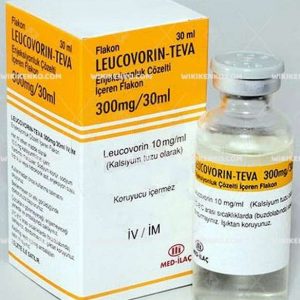
Leucovorin‑Teva 15 mg is presented as oral tablets intended for systemic administration. Comparable calcium folinate 15 mg tablets are described as light yellow, round, flat, uncoated tablets, often scored to facilitate breaking for ease of swallowing but not intended to deliver two equal 7.5 mg doses.
The tablets are supplied in blister packs or bottles, depending on the national licence, and are dispensed on prescription only. Storage is usually at controlled room temperature, protected from moisture and light, in line with standard requirements for solid folate preparations.
Pharmacotherapeutic Group and ATC Classification
Folinic acid (calcium folinate, leucovorin) is classified as:
-
Pharmacotherapeutic group: Antidotes and folate analogues, folinic acid and derivatives.
-
ATC code: L01BA (antineoplastic and immunomodulating agents, antimetabolites, folic acid analogues, folinic acid and derivatives).
This classification reflects its dual role as an antidote to folic‑acid antagonists and as a biochemical modulator of 5‑fluorouracil (5‑FU).
Mechanism of Action
Folinic acid is the 5‑formyl derivative of tetrahydrofolic acid and does not require reduction by dihydrofolate reductase (DHFR) to participate in folate‑dependent one‑carbon transfer reactions. By bypassing DHFR, leucovorin replenishes reduced folate stores in normal cells when DHFR is inhibited by methotrexate or other antifolate agents, thereby “rescuing” non‑malignant tissues from antifolate toxicity.
In combination with 5‑FU, leucovorin stabilises the ternary complex between 5‑fluoro‑2′‑deoxyuridine‑5′‑monophosphate (FdUMP) and thymidylate synthase by providing reduced folate cofactors, thereby enhancing inhibition of thymidylate synthase and increasing cytotoxicity against tumour cells. This biochemical modulation underlies its incorporation into standard colorectal cancer regimens (e.g. 5‑FU/leucovorin, FOLFIRI, FOLFOX).
Pharmacokinetics
After oral administration, folinic acid is rapidly absorbed from the gastrointestinal tract; the oral bioavailability of leucovorin is high at lower doses, but becomes dose‑dependent and saturable at higher oral doses (above approximately 25 mg). Peak plasma levels are typically achieved within about 1–2 hours after ingestion, with partial conversion to active folate metabolites such as 5‑methyltetrahydrofolate.
Leucovorin and its metabolites distribute widely into body tissues and cross the placenta; protein binding is moderate. Metabolism occurs mainly in the liver, and elimination is primarily renal, through glomerular filtration and tubular secretion, with a terminal half‑life of a few hours depending on metabolite measured. In renal impairment, clearance of folates may be reduced, necessitating careful monitoring when used for methotrexate rescue.
Therapeutic Indications
Leucovorin‑Teva tablets (calcium folinate 15 mg) are indicated in line with other oral folinic acid products:
-
Diminution of methotrexate toxicity (leucovorin rescue)
-
Rescue therapy after high‑dose methotrexate in osteosarcoma and other malignancies.
-
Treatment and prevention of toxicity in cases of delayed methotrexate elimination or inadvertent methotrexate overdosage.
-
-
Neutralisation of toxicity of other folic‑acid antagonists
-
To diminish or prevent toxicity from agents such as trimetrexate, trimethoprim and pyrimethamine when used at high doses.
-
-
Modulation of 5‑fluorouracil in anticancer chemotherapy
-
Use in combination with 5‑FU in the palliative treatment of advanced colorectal carcinoma and in other 5‑FU‑based regimens, according to established protocols.
-
-
Treatment of folate‑deficiency megaloblastic anaemia when parenteral therapy is not feasible
-
As an alternative when oral folic acid is unsuitable or when a reduced folate is specifically preferred; however, folinic acid is not indicated for pernicious anaemia or other vitamin B12‑deficiency states.
-
National product information may additionally list support of folate deficiency due to inadequate intake, malabsorption, or drug‑induced deficiency, provided vitamin B12 deficiency has been excluded.
Posology and Method of Administration
Dosing must be individualised according to the specific indication, concurrent cytotoxic regimen, and patient‑specific factors. Oral administration is suitable when gastrointestinal absorption is not compromised; in the presence of significant nausea, vomiting, or mucositis, parenteral routes (IV/IM) are preferred.
Methotrexate High‑Dose Rescue and Overdose
For high‑dose methotrexate regimens, leucovorin rescue is typically initiated 24 hours after the start of methotrexate infusion, with dosing every 6 hours for 10 or more doses, guided by methotrexate plasma concentration. A common regimen is 10 mg/m² per dose (approximately 15 mg in an average adult) orally, intramuscularly, or intravenously every 6 hours, with a maximum oral dose of around 25 mg per dose due to saturable absorption.
In delayed methotrexate clearance or overdose, higher doses and prolonged rescue are used, with leucovorin dosing continued every 6 hours until methotrexate plasma level drops below 0.05 μM, in conjunction with vigorous hydration and urinary alkalinisation. In marked GI toxicity, parenteral leucovorin should replace oral formulations.
Fluorouracil Modulation
In colorectal cancer regimens, leucovorin is routinely administered intravenously, but oral tablets may be used in specific protocols or where IV access is not feasible, in accordance with national guidelines. Typical regimens combine 5‑FU with leucovorin doses ranging from 20–200 mg/m² per day for several days per cycle; the exact schedule is protocol‑dependent and usually not based on 15 mg oral tablets alone.
Treatment of Folate‑Deficiency Megaloblastic Anaemia
For megaloblastic anaemia due to folate deficiency, folinic acid dosing is generally low (≤1 mg per day), most often via parenteral route when oral absorption is impaired, and is continued until haematological remission. Diagnosis of vitamin B12 deficiency must be excluded to avoid masking neurological progression.
Anaemia due to Folate Deficiency (Tablet‑Specific Regimens)
The Leucovorin‑Teva tablet leaflet describes adult dosing of 15 mg (one tablet) daily for anaemia caused by low folic acid levels, and paediatric dosing up to 12 years of 7.5–15 mg daily, according to physician judgement. Therapy duration depends on the underlying cause and haematological response.
Contraindications
Calcium folinate (leucovorin) is contraindicated in:
-
Known hypersensitivity to folinic acid, folic acid, or any component of the formulation.
-
Treatment of pernicious anaemia or other megaloblastic anaemias due to vitamin B12 deficiency, as folinic acid may improve haematologic parameters while allowing neurological damage to progress.
Caution is required in patients with prior allergic reactions to folates and in those receiving concomitant medications that interact with folinic acid.
Warnings and Precautions
Leucovorin rescue must be used only with methotrexate regimens where appropriate expertise, laboratory monitoring (including methotrexate plasma levels and renal function), and supportive care are available. Inadequate dosing, delayed administration, or premature discontinuation of leucovorin rescue can result in severe or fatal methotrexate toxicity.
When used with 5‑FU, leucovorin enhances both antitumour and toxic effects; therefore, regimen‑specific dose modifications and strict monitoring for mucositis, diarrhoea, myelosuppression, and hand‑foot syndrome are mandatory. Treatment must be interrupted or reduced at the first signs of severe toxicity.
In epileptic patients receiving phenobarbital, phenytoin, primidone or succinimides, folinic acid may decrease plasma concentrations of these antiepileptics, potentially increasing seizure frequency. Close clinical and, where possible, plasma‑level monitoring is recommended, with dose adjustment of the antiepileptic as necessary.
Leucovorin should be used cautiously in patients with renal impairment, as reduced methotrexate clearance may necessitate prolonged or intensified rescue. Profound dehydration, pre‑existing bone marrow suppression, or gastrointestinal toxicity increase the risk of severe complications during combined chemotherapy and must be corrected before starting or continuing treatment.
Drug–Drug Interactions
Leucovorin may interact with:
-
Folic‑acid antagonists (methotrexate, trimetrexate, pyrimethamine, high‑dose trimethoprim): Folinic acid can diminish or abolish their therapeutic and toxic effects; timing, dose, and indication must be carefully considered.
-
5‑Fluorouracil: Leucovorin increases both efficacy and toxicity of 5‑FU by stabilising the thymidylate synthase–FdUMP complex.
-
Antiepileptics (phenobarbital, phenytoin, primidone, succinimides): Folinic acid can reduce serum concentrations of these agents, potentially precipitating seizures; clinical monitoring and dose adjustment are recommended.
Concomitant use with other folate‑modifying drugs requires careful evaluation to avoid loss of antimetabolite efficacy or unexpected toxicity.
Use in Special Populations
Pregnancy and Lactation
Folinic acid has been used during pregnancy as rescue therapy in methotrexate overdose and to counteract antifolate toxicity; however, there are limited well‑controlled data. Its use during pregnancy should be restricted to clear indications where the potential benefit outweighs the potential risk to the fetus.
Leucovorin is excreted in breast milk in unknown amounts, but folates are natural constituents of milk; therapeutic use during breastfeeding may be considered if clinically necessary, especially in rescue situations, with careful benefit–risk assessment.
Paediatric Population
Leucovorin is widely used in paediatric oncology for methotrexate rescue and in treatment of antifolate toxicity; dosing is weight‑ or surface‑area‑based and follows specific paediatric protocols. For folate‑deficiency anaemia, the Leucovorin‑Teva leaflet recommends daily doses of 7.5–15 mg for children up to 12 years, under medical supervision.
Elderly
Elderly patients may be at higher risk of chemotherapy‑induced toxicity, particularly when leucovorin is used with 5‑FU; regimen modifications (e.g. reduced 5‑FU doses) and intensified monitoring are often recommended. Age‑related renal impairment may necessitate adjustments in methotrexate and leucovorin rescue strategies.
Undesirable Effects
Adverse reactions to folinic acid are generally uncommon at therapeutic doses but may be serious when combined with cytotoxic chemotherapy.
Commonly reported adverse effects include:
-
Gastrointestinal: nausea, vomiting, diarrhoea, particularly in combination with 5‑FU.
-
Haematological: myelosuppression (leucopenia, neutropenia, thrombocytopenia) when used with 5‑FU, reflecting potentiation of 5‑FU toxicity.
-
General: fever, malaise.
Hypersensitivity reactions, including urticaria, rash, pruritus, and rare anaphylactoid reactions (e.g. bronchospasm, hypotension), have been reported with both oral and parenteral leucovorin; immediate discontinuation and appropriate management are required if such reactions occur.
At very high doses, particularly with parenteral administration, calcium load may contribute to hypercalcaemia‑related manifestations such as arrhythmias.
Overdose
Excessive leucovorin doses may diminish or abolish the antineoplastic effect of folic‑acid antagonists such as methotrexate. There is no specific antidote to leucovorin overdose; management is supportive, with monitoring for potential interactions (e.g. reduced antifolate efficacy or enhanced 5‑FU toxicity).
In animal studies, leucovorin has very low acute oral toxicity, with LD50 > 8000 mg/kg in rats. In clinical practice, overdose with leucovorin alone is rarely associated with severe toxicity, but therapeutic mis‑timing relative to chemotherapeutic agents may have significant oncological consequences.
Clinical Applications and Evidence Base
Leucovorin is an established component of high‑dose methotrexate protocols in osteosarcoma and other malignancies, where timely administration significantly reduces the incidence of severe mucositis, myelosuppression, nephrotoxicity, and hepatotoxicity. Clinical data demonstrate that individualisation of leucovorin dose and duration according to methotrexate plasma levels and renal function improves safety outcomes without compromising antitumour efficacy.
In advanced colorectal carcinoma, multiple randomised trials have shown improved response rates and survival with 5‑FU plus leucovorin compared to 5‑FU alone, validating leucovorin as a standard biochemical modulator of fluoropyrimidines. More recently, leucovorin remains integral within multidrug regimens such as FOLFOX and FOLFIRI, where it contributes to synergistic inhibition of thymidylate synthase in combination with 5‑FU and other agents.
Summary Table: Key Clinical and Pharmaceutical Characteristics
| Parameter | Description for Leucovorin‑Teva 15 mg Tablet |
|---|---|
| Active substance | Calcium folinate 16.2 mg, equivalent to folinic acid (leucovorin) 15 mg per tablet |
| Pharmaceutical form | Oral tablet, prescription‑only, typically light yellow, round, flat; score line intended for swallowing ease, not equal dose division |
| Pharmacotherapeutic class / ATC | Folinic acid and derivatives; antineoplastic and immunomodulating agents; ATC L01BA |
| Main indications | Methotrexate rescue and overdose, neutralisation of other folate antagonists, 5‑FU modulation in colorectal cancer, folate‑deficiency anaemia (non‑B12) |
| Typical adult dose for folate‑deficiency anaemia | 15 mg (one tablet) orally once daily, duration according to clinical response |
| Methotrexate rescue dosing (adult) | ~10 mg/m² (≈15 mg) every 6 hours for at least 10 doses, initiated 24 hours after methotrexate start; dose and duration guided by MTX levels |
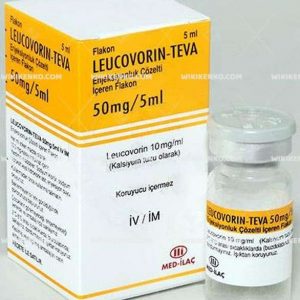
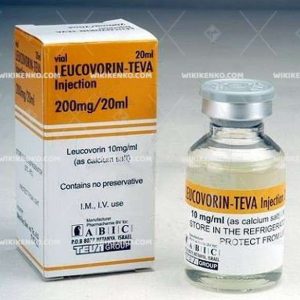
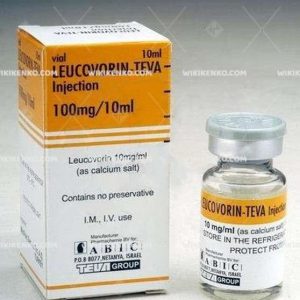
| Route of administration | Oral for tablets; IV/IM forms available for high‑dose regimens or when oral intake is not feasible |
| Major contraindications | Hypersensitivity to folinic/folic acid or excipients; pernicious anaemia or B12‑deficiency megaloblastic anaemia |
| Key interactions | Antagonises folate antagonists (e.g. methotrexate, trimetrexate); enhances 5‑FU toxicity; reduces levels of some antiepileptics |
| Frequent adverse effects | GI disturbances (nausea, diarrhoea), myelosuppression with 5‑FU, hypersensitivity reactions |
Conclusion
Leucovorin‑Teva 15 mg tablet is a clinically indispensable reduced‑folate formulation used as both an antidote to antifolate chemotherapy and a modulator of fluoropyrimidines, with a well‑defined pharmacological and safety profile across oncology and haematology indications. Its effective and safe use requires strict adherence to protocol‑specific dosing schedules, timely administration in relation to cytotoxic agents, and careful monitoring for interactions and toxicities, particularly in high‑risk populations such as paediatric, elderly, and renally impaired patients.












Reviews
There are no reviews yet.