
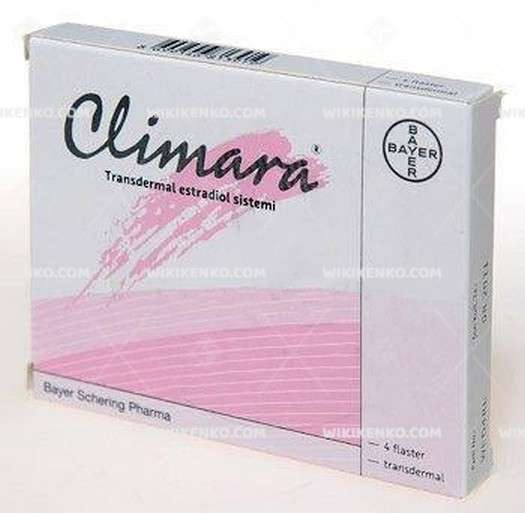
Description
Climara is a once‑weekly transdermal patch containing synthetic 17β‑estradiol, which is chemically and biologically identical to endogenous human estrogen. The patch releases estradiol at a controlled rate through the skin into the bloodstream, bypassing first‑pass metabolism in the liver that occurs with oral estrogens.
Pharmaceutical form and design
-
Transdermal system (patch) applied to intact skin, usually lower abdomen or upper buttock.
-
Multi‑layer design: outer backing film, an adhesive matrix containing estradiol, and a protective liner removed before application.
-
Available in several sizes/strengths that correspond to different delivery rates (for example, 0.025 mg, 0.05 mg, 0.1 mg estradiol per day).
-
Some packs are labeled in micrograms per 24 hours (e.g., 25, 50, 75, 100 micrograms/day), including Turkish‑marketed presentations.
Therapeutic Indications
Climara is an estrogen‑only HRT and is primarily indicated for postmenopausal women; women with an intact uterus usually require a separate progestogen to reduce endometrial cancer risk.
Main approved uses
-
Treatment of moderate to severe vasomotor symptoms of menopause (e.g., hot flushes, night sweats).
-
Treatment of vulvar and vaginal atrophy associated with menopause (when systemic therapy is appropriate).
-
Prevention of postmenopausal osteoporosis in women at significant risk, where non‑estrogen therapies are unsuitable or not tolerated.
Use in children and in premenopausal women for routine indications is not recommended.
How Climara Works (Mechanism of Action)
Estradiol in Climara replaces the declining estrogen levels that follow natural or surgical menopause.
-
Estradiol binds to estrogen receptors in various tissues (brain, bone, urogenital tract, cardiovascular system), modulating gene expression and cellular activity.
-
Relief of vasomotor symptoms is thought to be related to stabilization of hypothalamic thermoregulatory centers.
-
In bone, estradiol reduces bone resorption and helps maintain bone mineral density, thereby reducing fracture risk when used appropriately.
-
Transdermal delivery yields more stable serum estradiol levels and avoids high hepatic exposure, which may influence lipid metabolism and coagulation factors compared with some oral preparations.
Dosage and Administration
Standard dosing
-
Usual starting dose for menopausal symptoms: one Climara patch delivering 0.025 mg (25 micrograms) estradiol per day, applied once weekly.
-
The dose may be adjusted (e.g., 0.05 mg/day or 0.1 mg/day) according to clinical response and tolerability, always using the lowest effective dose for the shortest duration consistent with treatment goals.
Application instructions
-
Apply to a clean, dry, healthy area of the lower abdomen or upper outer buttock; do not apply to or near the breasts.
-
Avoid oily, irritated, or damaged skin and areas where tight clothing may rub the patch off (e.g., waistline).
-
Press firmly for about 10 seconds to ensure good contact, especially around the edges.
-
Rotate application sites; allow at least 1 week between applications to the same spot.
-
If a patch falls off, the prescribing information generally recommends applying a new patch to a different site and continuing the original schedule (patients should follow their specific local product leaflet).
Duration of therapy
-
Treatment duration should be individualized and reassessed regularly (at least annually), weighing symptom control against risks (cardiovascular events, breast cancer, thromboembolism, and others).
Expected Benefits
Symptom relief
-
Reduction in frequency and severity of hot flushes and night sweats, often within the first few weeks.
-
Improvement in sleep quality secondary to reduction in nocturnal vasomotor symptoms.
-
Relief of vaginal dryness, discomfort, and certain urinary symptoms related to urogenital atrophy when systemic therapy is appropriate.
Skeletal benefits
-
Helps maintain or increase bone mineral density in postmenopausal women at risk of osteoporosis, reducing vertebral fracture risk when used according to guidelines.
Additional potential benefits
-
Improvement in mood and overall quality of life in some women, particularly those with severe menopausal symptoms, although responses vary and are not guaranteed.
Risks and Side Effects
Systemic estrogen therapy is associated with significant potential risks, so careful selection and monitoring are essential.
Common side effects
Reported in clinical trials and post‑marketing experience for Climara:
-
Headache, migraine or worsening of existing migraine.
-
Breast tenderness or breast pain.
-
Nausea, abdominal pain, bloating, flatulence.
-
Fluid retention, edema (swelling of legs, ankles, fingers).
-
Changes in vaginal bleeding pattern (spotting, breakthrough bleeding).
-
Mood changes including irritability, nervousness, or depression.
-
Skin reactions at the application site (redness, itching, rash).
-
Upper respiratory symptoms (nasopharyngitis, sinusitis, rhinitis) reported in some trials, though causal relationships are not always clear.
Serious adverse reactions and boxed warnings
Regulatory labeling for Climara includes boxed warnings regarding:
-
Endometrial cancer: Unopposed estrogen (without a progestogen) increases the risk in women with an intact uterus.
-
Cardiovascular disorders: Increased risks of stroke, myocardial infarction, and venous thromboembolism (deep vein thrombosis, pulmonary embolism) with systemic estrogen, especially when combined with progestogens in some studies.
-
Breast cancer: Long‑term use of estrogen plus progestogen has been associated with increased breast cancer risk; estrogen‑alone risk depends on duration and population.
-
Probable dementia: Increased risk of probable dementia has been reported in women aged 65 years or older using systemic estrogen with or without progestogen.
Other serious issues reported include:
-
New breast lumps or changes in breast tissue.
-
Signs of thrombosis (leg pain/swelling, sudden chest pain, shortness of breath, coughing blood).
-
Visual disturbances or sudden severe headache, which may indicate stroke or retinal vascular events.
-
Significant blood pressure elevation.
-
Severe allergic or anaphylactic reactions.
When to seek urgent medical help
Patients should stop the patch and seek immediate medical attention if they experience:
-
Sudden chest pain, difficulty breathing, or coughing up blood.
-
Sudden severe headache, weakness, or numbness, especially on one side of the body.
-
Sudden vision loss or severe visual disturbance.
-
Pain, swelling, and redness in a leg.
-
Unusual vaginal bleeding or new breast lump.
Contraindications
Climara (or any systemic estrogen therapy) is generally contraindicated in women with:
-
Known, suspected, or history of breast cancer (except in specific oncology situations where an oncologist directs otherwise).
-
Known or suspected estrogen‑dependent malignancies (e.g., endometrial cancer).
-
Undiagnosed abnormal genital bleeding.
-
Active or history of venous thromboembolism (DVT, pulmonary embolism).
-
Active or recent arterial thromboembolic disease (e.g., stroke, myocardial infarction).
-
Known thrombophilic disorders (e.g., protein C, protein S, or antithrombin deficiency) unless carefully assessed by a specialist.
-
Active or chronic liver dysfunction or disease.
-
Known hypersensitivity to estradiol or any component of the patch.
Precautions and Monitoring
Situations requiring special caution
Careful risk–benefit assessment and close monitoring are advised in women with:
-
Controlled hypertension or risk factors for cardiovascular disease.
-
Hypertriglyceridemia or gallbladder disease.
-
History of liver disease, migraine, asthma, epilepsy, or porphyria.
-
Strong family history of breast cancer or thromboembolism.
-
Obesity, smoking, or prolonged immobilization, which further increase thrombotic risk.
Recommended monitoring
-
Baseline and periodic breast examinations; regular mammography according to age and risk factors.
-
Blood pressure checks at regular intervals.
-
Evaluation of any abnormal uterine bleeding (e.g., ultrasound, endometrial sampling) in women with a uterus.
-
Bone mineral density monitoring in women treated for osteoporosis prevention.
Interactions With Other Medicines and Substances
Estradiol is metabolized in part by cytochrome P450 3A4 (CYP3A4), so substances that induce or inhibit this enzyme can alter estradiol levels.
CYP3A4 inducers (may reduce estradiol levels and effect)
-
St. John’s wort (Hypericum perforatum).
-
Anticonvulsants such as carbamazepine, phenobarbital.
-
Rifampin and certain other rifamycin antibiotics.
CYP3A4 inhibitors (may increase estradiol levels and side effects)
-
Macrolide antibiotics (e.g., erythromycin, clarithromycin).
-
Azole antifungals (ketoconazole, itraconazole).
-
Some antivirals (e.g., ritonavir).
-
Grapefruit juice.
Patients should inform their prescriber about all prescription medicines, over‑the‑counter drugs, herbal supplements, and dietary products they use.
Practical Usage Considerations
Missed or detached patch
-
Specific instructions may vary by national product leaflet; commonly, if a patch detaches, a new patch is applied and the original schedule is maintained.
-
If a scheduled change is missed by only a short time, the patch should usually be changed as soon as remembered; if it is close to the next scheduled change, local labeling recommendations should be followed.
Lifestyle and risk modification
Women using Climara should be advised to:
-
Stop smoking, as smoking further increases cardiovascular and thrombotic risk.
-
Maintain a healthy weight, diet rich in calcium and vitamin D, and regular weight‑bearing exercise for bone health.
-
Limit alcohol intake, which can affect both breast cancer risk and liver function.
Key Information on Climara Transdermal Estradiol System
| Category | Key Information (for Climara Transdermal Estradiol System) |
|---|---|
| Active ingredient | 17β‑estradiol, systemically delivered via once‑weekly transdermal patch. |
| Main indications | Treatment of moderate–severe menopausal vasomotor symptoms; treatment of vulvar/vaginal atrophy (when systemic therapy appropriate); prevention of postmenopausal osteoporosis in selected women. |
| Dosage | Typically start with 0.025 mg estradiol/day patch applied once weekly; dose individually adjusted up to higher strengths (e.g., 0.05 or 0.1 mg/day) using the lowest effective dose. |
| Application sites | Clean, dry skin on lower abdomen or upper buttock; avoid breasts, irritated skin, and waistline; rotate sites with at least 1‑week interval before reusing the same area. |
| Major benefits | Reduces hot flushes and night sweats, improves related sleep disturbance, alleviates some urogenital atrophy symptoms, and helps maintain bone mineral density in at‑risk postmenopausal women. |
| Common side effects | Headache or migraine, breast tenderness, nausea, abdominal pain or bloating, fluid retention/edema, irregular vaginal bleeding, mood changes (e.g., irritability, depression), and application‑site skin reactions. |
| Serious risks | Endometrial cancer (if used without progestogen in women with uterus), venous thromboembolism, stroke, myocardial infarction, breast cancer (particularly with long‑term estrogen–progestogen use), and probable dementia in older women. |
| Contraindications | Known/suspected breast or estrogen‑dependent cancer, undiagnosed genital bleeding, active or past VTE or arterial thromboembolism, significant liver disease, known thrombophilic disorders, or hypersensitivity to components. |
| Drug interactions | CYP3A4 inducers (e.g., St. John’s wort, carbamazepine, rifampin) may reduce efficacy; CYP3A4 inhibitors (e.g., ketoconazole, erythromycin, ritonavir, grapefruit juice) may increase estradiol levels and side effects. |
| Monitoring needs | Regular clinical review of symptoms and risks, breast exam and mammography per guidelines, blood pressure checks, investigation of abnormal bleeding, and, when applicable, bone mineral density assessment. |
Important Note
This article summarizes key medical information about Climara transdermal estradiol systems, including formulations that may be marketed in Turkey, but it does not replace a consultation with a qualified healthcare professional. Any decision to start, continue, or stop Climara must be made with a clinician who can evaluate individual risks, concurrent diseases, and the need for additional progestogen therapy where appropriate.















Secil SEVER –
hangi ülkelerde satisi var. nerede bulabilirim.
Medical Guidance Center –
Merhaba Seçil SEVER, bu WikiKenko. İlginiz için teşekkür ederiz. WikiKenko’nun herhangi bir ilaç satışı yapmadığını, yalnızca bir bilgi kaynağı olduğunu lütfen unutmayın. Eğer bu hayati tehlike arz eden acil bir durumsa, resmi satıcıları bulma konusunda yardım almak için “Topluluk Destek Ağı” (Community Support Network) formunu doldurmayı deneyebilirsiniz. Topluluk, ülkenizdeki resmi satıcıları belirlemenize yardımcı olabilir.