
Description
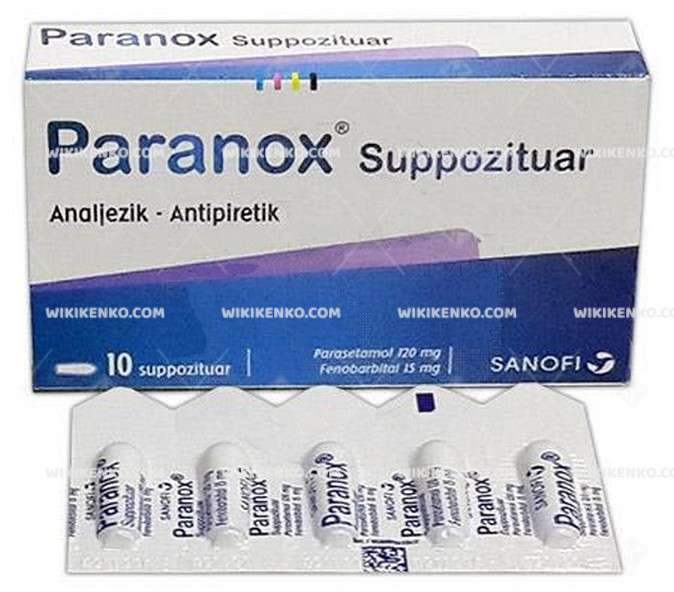
Paranox Suppository is a combination pharmaceutical product primarily intended for pediatric use, offering a highly effective and practical approach to managing mild to moderate pain and fever in young patients. Manufactured in Turkey, this rectally administered formulation is especially suitable for children who are unable or unwilling to take oral medications, often due to vomiting, nausea, or difficulty swallowing.
By bypassing the gastrointestinal route, Paranox provides a reliable and often faster therapeutic response. It contains two active ingredients: Paracetamol (120 mg) and Phenobarbital (15 mg), which together provide analgesic, antipyretic, and mild sedative effects.
Pharmacological Components and Their Mechanisms of Action
Paracetamol (120 mg)
Paracetamol, internationally known as acetaminophen, is one of the most widely utilized medications for the treatment of pain and fever in both children and adults. It acts primarily in the central nervous system, where it inhibits the cyclooxygenase (COX) enzymes, leading to decreased synthesis of prostaglandins. These prostaglandins are chemical mediators responsible for pain and fever.
Paracetamol’s action is particularly strong in the hypothalamus, the brain region responsible for temperature regulation. Unlike NSAIDs, paracetamol has minimal anti-inflammatory effects, making it more suitable for children with sensitive gastrointestinal systems.
Phenobarbital (15 mg)
Phenobarbital is a long-acting barbiturate with potent sedative, hypnotic, and anticonvulsant properties. It works by enhancing the effect of gamma-aminobutyric acid (GABA), a major inhibitory neurotransmitter in the brain. By increasing GABA activity, phenobarbital reduces neuronal excitability, thereby promoting sedation and helping to calm agitated or febrile children. In combination with paracetamol, it offers synergistic benefits, not only enhancing pain relief but also providing soothing effects that facilitate rest and recovery in pediatric patients.
Therapeutic Indications
Paranox Suppository is indicated for the following conditions and situations:
Paranox Suppository is widely utilized for its versatile therapeutic benefits in pediatric care. It provides effective relief for mild to moderate types of pain, including common issues such as headaches, earaches, and musculoskeletal discomfort that often accompany childhood illnesses or physical activity. Beyond pain management, it plays a critical role in controlling fever, whether the underlying cause is a bacterial or viral infection. This makes it particularly useful during the early stages of infectious diseases, where symptom control is crucial.
Its symptomatic benefits extend to upper respiratory tract infections, helping to ease general discomfort, reduce fever, and promote rest—especially important during illnesses such as the common cold, influenza, or pharyngitis. Additionally, Paranox is especially advantageous in pediatric patients who are vomiting, nauseous, or otherwise refusing oral medications. Since it is administered rectally, it circumvents the gastrointestinal route, allowing for consistent dosing and rapid onset of action even when oral intake is compromised.
In more severe febrile episodes, particularly those accompanied by febrile seizures, Paranox serves a dual role. The paracetamol component works to quickly lower the body temperature, while the phenobarbital component exerts a calming, sedative effect on the central nervous system. This combined action not only helps control seizures but also supports a restful recovery. Its use in these scenarios underlines its importance as a supportive care measure in both home and clinical settings.
Dosage Guidelines and Administration
Dosage should always be adjusted based on the child’s weight, age, and clinical condition. It is vital to adhere strictly to recommended dosages to avoid toxicity:
- Children under 6 years: One suppository every 4 to 6 hours as needed, not exceeding 4 doses per day
- Children aged 6 to 12 years: One to two suppositories every 4 to 6 hours, depending on weight and response
- Maximum Daily Limit: No more than four doses in a 24-hour period
Administration via the rectal route should be performed gently and ideally after the child has emptied their bowels. This route of administration can result in faster absorption, especially when oral intake is not feasible. Healthcare providers should guide caregivers on the correct technique to reduce discomfort and ensure proper placement.
Precautions
- Hepatic and Renal Impairment: Use cautiously in children with mild to moderate liver or kidney dysfunction; contraindicated in severe cases
- Concurrent Alcohol Use: Though rare in pediatrics, exposure via medications or accidental ingestion necessitates caution due to increased hepatotoxicity risk
- Allergy History: Must not be used in patients with a history of allergic reactions to paracetamol, phenobarbital, or any excipients
- Drug Interactions: Avoid concurrent use with other paracetamol-containing products; phenobarbital may interact with medications metabolized via liver enzymes, including antiepileptics, anticoagulants, and oral contraceptives
Contraindications
- Severe hepatic or renal impairment
- Hypersensitivity to any formulation component
- Simultaneous use with other central nervous system depressants unless under strict medical supervision
Side Effects and Risk Management
Although generally safe when used as prescribed, Paranox Suppository can lead to certain adverse effects:
- Gastrointestinal: Mild nausea, occasional abdominal discomfort
- Dermatologic: Rash, urticaria, erythema; in rare cases, severe reactions such as Stevens-Johnson Syndrome or Toxic Epidermal Necrolysis
- Central Nervous System: Drowsiness, light-headedness, or sedation from phenobarbital
- Rare Effects: Hematological abnormalities (e.g., thrombocytopenia), hepatotoxicity in overdose scenarios
Monitoring for these side effects, especially in children with comorbid conditions, is important. Caregivers should be instructed to observe for any signs of allergic reactions, excessive sleepiness, or unusual symptoms.
Onset and Duration of Action
- Paracetamol: Begins to exert its antipyretic and analgesic effects within 30 to 60 minutes of rectal administration; duration of effect ranges from 4 to 6 hours
- Phenobarbital: Sedative effects usually appear within an hour and may last longer, contributing to prolonged calming effects
- Rectal absorption can be influenced by rectal contents, perfusion, and individual patient variability
Drug Interactions
| Interacting Substance | Example Medications | Potential Outcome |
|---|---|---|
| CYP450 Enzyme Inducers | Phenytoin, Rifampicin, Carbamazepine | Reduced paracetamol efficacy; increased risk of hepatotoxicity |
| Central Nervous System (CNS) Depressants | Benzodiazepines, Antihistamines | Enhanced sedation; risk of respiratory depression |
| Alcohol and Ethanol-containing Products | Cough syrups, elixirs | Increased likelihood of liver injury |
| Anticoagulants | Warfarin | Prolonged bleeding time when combined with paracetamol |
Comparative Effectiveness and Position Among Pediatric Analgesics
Compared to single-agent paracetamol formulations like Calpol, Paranox Suppository introduces an added advantage due to its sedative component. This makes it especially beneficial for children who are not only febrile but also distressed or irritable, as the phenobarbital component aids in calming them down and promoting rest.
While ibuprofen provides anti-inflammatory benefits, it carries a higher risk of gastric irritation and can strain the kidneys, particularly when used in dehydrated or unwell children. Paranox, lacking anti-inflammatory properties, offers a gentler alternative for gastrointestinal and renal systems, making it a safer choice in many pediatric scenarios.
When compared to opioids, which are potent analgesics often used in severe pain, Paranox presents a substantially safer profile for routine pediatric use. Opioids carry a significant risk of dependency and respiratory depression, especially in children, whereas the phenobarbital content in Paranox, although sedative, does not induce such severe adverse effects when used appropriately. This makes Paranox preferable for non-critical pain and fever management where opioid use would be excessive or unwarranted.
Additionally, Paranox proves to be a practical and effective option when the oral route of administration is not viable. In instances of vomiting, refusal to swallow, or other gastrointestinal limitations, rectal administration becomes the preferred choice. It ensures consistent absorption and avoids the complications of missed doses, a crucial factor in managing acute pediatric illnesses effectively.
What to Do in Case of Overdose
Prompt intervention is crucial:
- Initial Steps: Call emergency services; administer activated charcoal if within one hour of ingestion (under medical guidance)
- Hospital Management: Paracetamol overdose requires administration of N-acetylcysteine (NAC) to prevent liver damage; phenobarbital overdose may need respiratory support and symptomatic treatment
- Observation: Monitor for signs of CNS depression, liver function abnormalities, and allergic responses
Comparative Review with Similar Pediatric Medications
- Calpol, Pedifen: Offer basic paracetamol relief without sedative properties; oral administration may be difficult during vomiting
- Lonarid N, Doreta, Trifen: Oral alternatives containing similar components; useful when oral route is feasible
- Topical NSAIDs (e.g., Nimesulide gel): Suitable for localized pain but ineffective for systemic symptoms like fever
Conclusion
Paranox Suppository provides a reliable, dual-acting therapeutic option for pediatric patients, especially when oral routes are compromised. The synergy between paracetamol’s antipyretic/analgesic activity and phenobarbital’s sedative effect makes it uniquely suited for situations involving fever, discomfort, and agitation. Proper adherence to dosing recommendations, vigilant monitoring for adverse effects, and avoidance of contraindicated drug combinations are key to safe and effective use.
Summary Table: Key Characteristics of Paranox Suppository
| Aspect | Details |
|---|---|
| Generic Name | Paranox Suppository |
| Active Ingredients | Paracetamol 120 mg, Phenobarbital 15 mg |
| Dosage Form | Rectal Suppository |
| Primary Use | Treatment of fever and mild to moderate pain in pediatric patients |
| Route of Administration | Rectal |
| Common Side Effects | Rash, sedation, nausea, GI upset |
| Contraindications | Liver/kidney failure, hypersensitivity, CNS depressant co-administration |
| Onset of Action | 30 to 60 minutes |
| Manufacturer | Produced in Turkey |
| Notable Advantages | Non-oral route, dual-action, suitable during vomiting or fever episodes |
For optimal treatment outcomes, Paranox Suppository should always be used under the supervision of a healthcare professional, particularly in children with complex medical histories or ongoing treatments. Regular evaluation of efficacy, side effects, and potential interactions is essential in ensuring safe pediatric care.











Anirudh Anand –
मुझे इसके बारे में अधिक जानकारी चाहिए
Medical Guidance Center –
नमस्ते अनिरुद्ध, यह WikiKenko है। आपकी प्रतिक्रिया के लिए धन्यवाद! आपकी टिप्पणियाँ हमें अन्य उपयोगकर्ताओं के लिए जानकारी को बेहतर बनाने में मदद करती हैं। हमें आपके विचारों को साझा करने के लिए समय निकालने की सराहना करते हैं। हम और अधिक जानकारी जोड़ेंगे