

Description
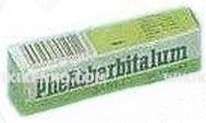
Phenobarbital is one of the oldest barbiturate antiepileptic medicines still in worldwide clinical use, particularly in resource‑limited settings. Phenobarbital Bichsel 2% injection is a Swiss‑approved phenobarbital sodium formulation at a concentration of 20 mg/ml designed for injectable use in acute and chronic seizure management. As a long‑acting barbiturate, phenobarbital exhibits a narrow therapeutic index, complex pharmacokinetics, and clinically significant drug–drug interactions, mandating careful dose individualisation and monitoring.
This article provides an evidence‑based, narrative overview of the composition, pharmacology, clinical indications, dosing, safety profile, and practical considerations for the use of Phenobarbital Bichsel 2% in modern clinical practice, with emphasis on adult and paediatric epilepsy care.
Pharmaceutical Composition and Qualitative–Quantitative Characteristics
Phenobarbital Bichsel 2% is described as an injectable solution containing phenobarbital (as phenobarbital sodium) at 2% w/v, corresponding to 20 mg of active substance per ml. The product is classified pharmacologically as an antiepileptic barbiturate and is authorised as “Phenobarbital Bichsel 2%, Injektionslösung” by Swissmedic. The preparation is intended for parenteral administration, typically supplied in ampoules for intramuscular or slow intravenous injection; specific excipients are not fully detailed in the cited summary but generally include sterile water and buffering agents suitable for injectable barbiturate solutions.
The barbiturate is present as a water‑soluble sodium salt, which facilitates parenteral delivery and rapid systemic availability in emergent seizure settings.
Mechanism of Action and Pharmacodynamics
Phenobarbital is a long‑acting barbiturate that acts as a nonselective central nervous system depressant with prominent anticonvulsant and sedative‑hypnotic properties. At the molecular level, phenobarbital positively modulates the gamma‑aminobutyric acid type A (GABAA) receptor by prolonging the opening of chloride ion channels, resulting in sustained hyperpolarisation of neuronal membranes and reduced neuronal excitability.
In addition, phenobarbital inhibits glutamate‑mediated depolarisation at AMPA and possibly other excitatory receptors, thereby attenuating excitatory neurotransmission and contributing to its antiepileptic efficacy. The combined enhancement of inhibitory neurotransmission and suppression of excitatory pathways underlies its effectiveness in the control of generalized tonic–clonic and focal seizures, as well as status epilepticus.
Pharmacokinetics
Phenobarbital exhibits high oral bioavailability (approximately 90%) and very prolonged elimination, although Phenobarbital Bichsel 2% is formulated for parenteral use rather than routine oral therapy. Peak plasma concentrations following oral dosing are typically achieved within 8–12 hours, and the elimination half‑life in adults ranges from about 2 to 7 days, reflecting slow hepatic metabolism and renal excretion.
Protein binding is relatively low, around 20–45%, which contributes to a significant free fraction of drug available for pharmacologic activity but also for distribution into tissues. Phenobarbital is metabolised mainly by hepatic cytochrome P450 enzymes and is itself a potent inducer of CYP isoenzymes, especially CYP2C9, which can accelerate the metabolism of co‑administered drugs and alter therapeutic responses.
Therapeutic Indications
Phenobarbital, including injectable formulations such as Phenobarbital Bichsel 2%, is indicated for the treatment of most types of epilepsy, particularly generalized tonic–clonic and focal seizures, but is not considered appropriate for pure absence (petit mal) seizures. Parenteral phenobarbital is specifically utilised in the management of status epilepticus, especially when first‑line benzodiazepines and other agents fail or are unavailable, due to its reliable anticonvulsant effect and long duration of action.
Beyond epilepsy, phenobarbital is used as a sedative‑hypnotic in certain settings and has roles in managing benzodiazepine and alcohol withdrawal, albeit with careful monitoring because of respiratory and cardiovascular depression risks. In selected non‑neurologic indications, phenobarbital can be used to enhance hepatic conjugation of bilirubin in conditions such as Crigler–Najjar syndrome type II and Gilbert syndrome, as well as as a premedication for hepatobiliary scintigraphy in paediatric cholestatic disorders.
Dosage Forms, Strengths, and Routes of Administration
Phenobarbital is available globally in multiple formulations, including oral tablets, oral elixirs, and injectable solutions. Typical oral dosage forms can include tablets of 15 mg, 30 mg, 60 mg, and 100 mg, as well as oral elixirs at 20 mg per 5 ml; injectable phenobarbital sodium solutions are commonly available at concentrations such as 65 mg/ml and 130 mg/ml in some regions, though Bichsel’s product is specifically 20 mg/ml at 2%.
Phenobarbital Bichsel 2% is authorised for intramuscular (i.m.) and slow intravenous (i.v.) administration, with subcutaneous use generally discouraged due to risk of local irritation or tissue damage. Intravenous administration should be conducted slowly, often after dilution, to minimise risks of hypotension, respiratory depression, and local venous irritation, especially in haemodynamically unstable patients.
Posology and Method of Administration
Phenobarbital dosing must be individualised according to age, body weight, clinical indication, and comorbidities, especially hepatic dysfunction and respiratory compromise.
For Phenobarbital Bichsel 2%, Swiss dosing recommendations specify for status epilepticus (“mal épileptique”) in adults (>18 years) a total dose of 200–600 mg administered intramuscularly or by slow intravenous injection, while patients under 18 years may receive 100–400 mg total, generally weight‑adjusted. For maintenance therapy in epilepsy, adult doses are commonly in the range of 1–3 mg/kg, whereas paediatric doses are higher on a mg/kg basis, typically 3–4 mg/kg, reflecting differences in pharmacokinetics and drug clearance. Other product information for phenobarbital injections suggests single adult doses of 50–200 mg, which may be repeated after six hours if required, and paediatric dosing of 3–5 mg/kg as a single intramuscular injection; these regimens emphasise cautious titration to clinical effect while monitoring for signs of toxicity.
Therapeutic serum phenobarbital concentrations are usually targeted between approximately 10 and 40 micrograms/ml, with levels above 40 micrograms/ml associated with a heightened risk of life‑threatening toxicity.
Therapeutic Drug Monitoring and Clinical Supervision
Owing to its narrow therapeutic range, variable pharmacokinetics, and substantial interindividual differences in metabolism, phenobarbital therapy benefits from routine therapeutic drug monitoring. Serum concentrations should be measured after steady state is reached or after dose adjustments, particularly in patients with co‑medication that induces or inhibits hepatic enzymes, or in those with hepatic or renal impairment.
Monitoring should also encompass regular assessment of clinical seizure control, sedation level, respiratory status, blood pressure, and possible neuropsychiatric effects, especially in children where behavioural adverse reactions may be more prominent. Multidisciplinary management involving neurologists, pharmacists, and nursing staff is advisable to ensure safe preparation, administration, dose adjustment, and early identification of adverse reactions in patients receiving Phenobarbital Bichsel 2%.
Adverse Reactions and Safety Profile
Phenobarbital’s adverse effect profile is well characterised and involves multiple organ systems, with severity ranging from mild sedation to rare but life‑threatening reactions. Common dose‑related central nervous system effects include sedation, drowsiness, impaired cognition, ataxia, and decreased psychomotor performance, which may affect daily functioning and pose risks for falls and accidents. Respiratory adverse effects include hypoventilation and, at high doses or when combined with other CNS depressants, apnea and respiratory arrest, particularly following rapid intravenous injection.
Cardiovascular events such as hypotension, bradycardia, and syncope have been documented, especially with parenteral use in compromised patients. Phenobarbital has also been associated with serious dermatologic reactions including exfoliative dermatitis, Stevens–Johnson syndrome, and toxic epidermal necrolysis, which may be preceded by flu‑like prodromes and mucosal involvement. Hepatic dysfunction, haematologic abnormalities such as anaemia, psychiatric disturbances, hyperactivity and behavioural problems in children, and bone demineralisation have all been described with chronic phenobarbital use.
Overview of Common and Serious Adverse Effects
The following table summarises key adverse reactions associated with phenobarbital, as described in clinical monographs and patient information for phenobarbital injection.
| System/Domain | Adverse effect examples (non‑exhaustive) | Clinical considerations |
|---|---|---|
| Central nervous system | Sedation, drowsiness, ataxia, cognitive impairment, confusion, agitation, hyperactivity in children | Dose‑related; may impair driving and psychomotor tasks; paradoxical behavioural excitation more common in paediatrics. |
| Respiratory | Hypoventilation, respiratory depression, apnea | Risk increased with rapid i.v. administration, high doses, concomitant CNS depressants, or pre‑existing respiratory compromise. |
| Cardiovascular | Hypotension, bradycardia, syncope | Monitor blood pressure and heart rate during i.v. dosing, especially in status epilepticus or in frail patients. |
| Dermatologic | Rash, exfoliative dermatitis, Stevens–Johnson syndrome, toxic epidermal necrolysis | Potentially life‑threatening; often preceded by fever and mucosal symptoms; requires immediate discontinuation and urgent care. |
| Hepatic | Hepatitis, jaundice, cholestasis | Monitor liver function tests in long‑term therapy; discontinue if significant hepatic injury suspected. |
| Haematologic | Anaemia, other blood dyscrasias | Periodic blood counts may be indicated in long‑term treatment. |
| Musculoskeletal | Bone softening and weakening, osteopenia | Long‑term use associated with altered vitamin D metabolism and bone health; consider supplementation and monitoring. |
Contraindications and Precautions
Phenobarbital is contraindicated in patients with known hypersensitivity to barbiturates, severe respiratory insufficiency, marked hepatic impairment, and in certain porphyrias due to porphyrinogenic potential. Extreme caution is required in patients with a history of substance use disorders because phenobarbital has recognised potential for dependence and abuse, especially with prolonged use or high doses.
In elderly patients, individuals with cognitive impairment, and those with depression or suicidal ideation, phenobarbital may exacerbate neuropsychiatric symptoms, necessitating close supervision and consideration of alternative antiepileptics where appropriate. Parenteral administration, as with Phenobarbital Bichsel 2%, should be conducted with resuscitation equipment available and careful titration in patients with cardiovascular instability or compromised respiratory function.
Drug–Drug Interactions
Phenobarbital is a potent inducer of hepatic cytochrome P450 enzymes, notably CYP2C9, and can also induce other isoforms, which has major implications for co‑administered medications. Enzyme induction can lead to accelerated metabolism and reduced plasma concentrations of drugs such as oral anticoagulants, corticosteroids, certain antiepileptics, and hormonal contraceptives, potentially leading to therapeutic failure or breakthrough symptoms. Conversely, inhibitors of hepatic metabolism may increase phenobarbital levels and risk of toxicity, such that dose adjustments and close therapeutic drug monitoring are often required.
Concomitant use with other CNS depressants, including benzodiazepines, opioids, alcohol, and sedative‑hypnotics, can result in additive or synergistic respiratory and cardiovascular depression, and should be undertaken only with meticulous monitoring and clear clinical justification.
Clinical Efficacy in Epilepsy and Status Epilepticus
Phenobarbital has demonstrated durable efficacy in the management of generalized tonic–clonic and focal seizures and is often regarded as a broad‑spectrum antiepileptic agent. Evidence from decades of clinical experience and comparative trials has shown that phenobarbital can significantly reduce seizure frequency and, in some patients, achieve complete seizure control, although tolerability and cognitive side effects limit its use in high‑income settings.
In status epilepticus, parenteral phenobarbital is used after failure of first‑line benzodiazepines and other agents, with the long half‑life offering prolonged protection against recurrent seizures but also extending the duration of CNS depression. In low‑ and middle‑income countries, phenobarbital remains a cornerstone antiepileptic due to its low cost and availability, although regulatory restrictions in some settings have been cited as barriers contributing to the epilepsy treatment gap.
Summary of Key Pharmacological and Clinical Characteristics
The following table highlights selected pharmacological and clinical attributes of phenobarbital relevant to the Phenobarbital Bichsel 2% injectable product.
| Parameter | Phenobarbital characteristics |
|---|---|
| Drug class | Barbiturate antiepileptic, sedative‑hypnotic. |
| Mechanism of action | Positive allosteric modulation of GABAA receptors with prolonged chloride channel opening; inhibition of glutamate‑mediated depolarisation. |
| Primary indications | Generalized tonic–clonic and focal seizures, status epilepticus (injectable), selected sedation and withdrawal indications. |
| Injectable concentration | Phenobarbital Bichsel: 2% solution, 20 mg/ml (phenobarbital sodium). |
| Routes (Bichsel 2%) | Intramuscular, slow intravenous injection. |
| Adult status epilepticus dose (Bichsel) | 200–600 mg total via i.m. or slow i.v. injection. |
| Paediatric status epilepticus dose (Bichsel) | 100–400 mg total, typically weight‑adjusted. |
| Maintenance dose in epilepsy | Adults: 1–3 mg/kg; children: 3–4 mg/kg. |
| Therapeutic serum range | Approximately 10–40 micrograms/ml; >40 micrograms/ml associated with toxicity. |
| Elimination half‑life | Approximately 2–7 days in adults. |
| Protein binding | About 20–45%. |
| Major safety concerns | CNS and respiratory depression, hypotension, serious skin reactions (SJS/TEN), hepatic injury, haematologic effects, dependence and withdrawal. |
| Enzyme induction | Potent inducer of CYP2C9 and other CYP isoforms, leading to extensive drug–drug interactions. |
Special Populations
In neonates and infants, phenobarbital is widely used as a first‑line agent for neonatal seizures, though emerging data have prompted reassessment of its neurodevelopmental impact, necessitating careful risk–benefit evaluation and close follow‑up. Paediatric patients may exhibit behavioural adverse effects such as hyperactivity, irritability, and learning difficulties, so clinicians must balance seizure control with potential long‑term cognitive and behavioural consequences.
In older adults, reduced hepatic clearance, increased pharmacodynamic sensitivity, and comorbidities predispose to sedation, falls, and cognitive impairment, making lower dosing and alternative agents preferable where feasible. Patients with hepatic or severe renal impairment may require dose reductions or alternative therapies due to impaired metabolism and excretion, and phenobarbital should be avoided in severe, progressive liver disease.
Dependence, Withdrawal, and Discontinuation
Chronic phenobarbital administration may lead to physical dependence, and abrupt discontinuation can precipitate withdrawal symptoms, including agitation, tremor, anxiety, and potentially seizures or status epilepticus. Tapering regimens should be implemented when phenobarbital is to be withdrawn, with gradual dose reductions over weeks or months in individuals receiving long‑term therapy, particularly in those with a history of high doses or combined CNS depressant use.
The risk of dependence and misuse underscores the importance of strict prescription control, patient education, and structured follow‑up in clinical programs utilising Phenobarbital Bichsel 2% for epilepsy or other indications.
Regulatory and Access Considerations
Phenobarbital is listed as an essential medicine by global health authorities because of its sustained efficacy and affordability in epilepsy treatment, yet in some countries stringent regulatory controls have inadvertently restricted availability. Such regulatory hurdles, including narcotic‑like scheduling, complex import procedures, and prescribing restrictions, have been identified as important contributors to the epilepsy treatment gap, particularly in low‑resource settings where alternatives are less accessible.
Phenobarbital Bichsel 2% is specifically authorised by Swissmedic, and its use is governed by national regulations on controlled substances and prescription‑only medicines, requiring appropriate documentation, storage, and accountability in healthcare facilities.
Conclusion
Phenobarbital Bichsel 2% (20 mg/ml) represents a clinically important injectable formulation of phenobarbital sodium, primarily used as an antiepileptic barbiturate for status epilepticus and epilepsy management. Its pharmacological profile—marked by GABAergic enhancement, long half‑life, and broad anticonvulsant efficacy—must be balanced against a narrow therapeutic window, significant adverse effect risks, and extensive drug–drug interactions, necessitating careful dosing, monitoring, and multidisciplinary oversight in all treated populations.















Reviews
There are no reviews yet.