Introduction
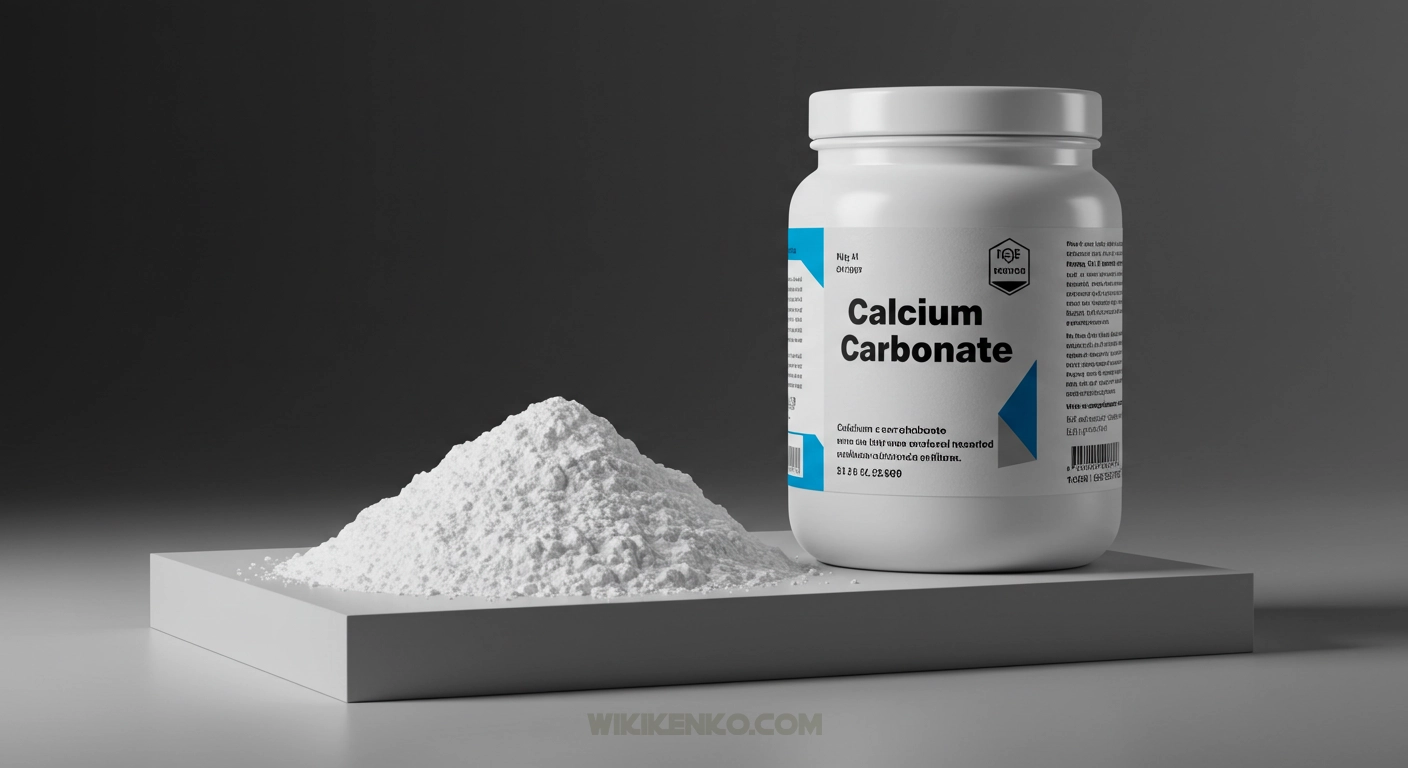
Calcium carbonate is a widely used pharmaceutical and nutritional agent, best known for its roles as a calcium supplement and antacid. It is one of the most commonly consumed forms of calcium in both over-the-counter and prescription formulations. Naturally abundant in rocks, shells, and pearls, calcium carbonate is used therapeutically to correct or prevent calcium deficiency, manage osteoporosis, treat acid-related gastrointestinal conditions, and support mineral balance in chronic illnesses. Its low cost, high calcium content, and safety profile have made it a first-line choice in calcium replacement therapy and acid neutralization.
Chemical Structure
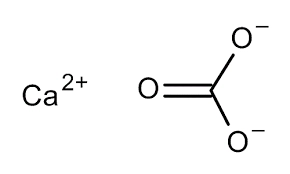
Calcium carbonate is an inorganic salt with the molecular formula CaCO₃ and a molecular weight of 100.09 g/mol. It is composed of calcium (Ca²⁺) ions and carbonate (CO₃²⁻) anions. Structurally, it exists in several crystalline polymorphs, including calcite, aragonite, and vaterite, with calcite being the most stable and commonly used form in pharmaceuticals.
Calcium carbonate appears as a white, odorless, tasteless powder or crystal. It is poorly soluble in water but dissolves readily in the presence of stomach acid, where it releases calcium ions and carbon dioxide through a neutralization reaction.
Calcium Carbonate-Based Medicines List
- Tums® – Over-the-counter chewable antacid tablets for heartburn and indigestion.
- Oscal® – A calcium supplement often used in osteoporosis prevention.
- Caltrate® – Popular calcium + vitamin D3 supplement for bone health.
- Titralac® – An antacid containing calcium carbonate for GI relief.
- Viactiv® – Chewable calcium carbonate supplements with added vitamins.
- Rolaids® – Combines calcium carbonate and magnesium hydroxide for antacid effects.
- Calcichew® – Prescription and OTC calcium supplement used in various mineral deficiency states.
- Oystercal® – A natural source of calcium carbonate derived from oyster shells.
Mechanism of Action
Calcium carbonate functions through two primary mechanisms, depending on its use:
- As a calcium supplement: It provides elemental calcium to the body, supporting bone mineralization, neuromuscular function, and cardiovascular activity. Once ingested, calcium carbonate reacts with gastric acid to release Ca²⁺ ions, which are absorbed in the small intestine via active transport and passive diffusion.
- As an antacid: Calcium carbonate neutralizes stomach acid (HCl) by forming calcium chloride, carbon dioxide (CO₂), and water, thus reducing acidity and relieving symptoms of heartburn, indigestion, and peptic ulcers. The reaction is fast-acting but can lead to rebound acid secretion if overused.
Pharmacokinetics
- Absorption: Calcium absorption from “calcium carbonate” is variable and depends on gastric acidity. Approximately 30–40% of ingested calcium is absorbed under optimal conditions (e.g., taken with meals).
- Distribution: Calcium is widely distributed in the body, primarily stored in bones (99%) and teeth. About 1% circulates in blood and soft tissues.
- Metabolism: Calcium carbonate is not metabolized. The calcium component participates in physiological processes; the carbonate is exhaled as CO₂ or excreted.
- Excretion: Excess calcium is excreted via urine, feces, and sweat. Unabsorbed calcium is eliminated in feces.
- Onset of Action (as antacid): Within 5–15 minutes.
- Duration of Action: Up to 2 hours depending on dose and stomach content.
Therapeutic Uses
| Condition | Therapeutic Role of Calcium Carbonate |
|---|---|
| Hypocalcemia | Oral supplementation to restore normal serum calcium levels |
| Osteoporosis | Calcium support for bone density and fracture prevention |
| Osteopenia | Prevention of further bone mass loss |
| Chronic kidney disease (CKD) | Phosphate binding to reduce serum phosphate levels |
| Gastroesophageal reflux disease (GERD) | Symptomatic relief as an antacid |
| Peptic ulcer disease | Temporary acid neutralization |
| Pregnancy and lactation | Supplementation to meet increased calcium demands |
| Dietary calcium insufficiency | Nutritional replacement therapy |
Side Effects
Calcium carbonate is generally well tolerated when used appropriately. However, side effects can occur, particularly with high doses or long-term use:
- Gastrointestinal: Constipation, bloating, flatulence, nausea.
- Metabolic: Hypercalcemia and milk-alkali syndrome (in cases of excessive intake).
- Renal: Kidney stones may develop due to increased urinary calcium excretion.
- Rebound acidity: Rare; associated with frequent antacid use.
- Hypophosphatemia: May result from chronic use as a phosphate binder.
Signs of hypercalcemia:
- Muscle weakness
- Confusion
- Polyuria and polydipsia
- Nausea and vomiting
- Cardiac arrhythmias (in severe cases)
Drug Interactions
Calcium carbonate may interact with several drugs, mainly by altering their absorption or efficacy:
- Tetracyclines and fluoroquinolones: Chelation with calcium reduces their bioavailability.
- Levothyroxine: Reduced absorption if taken concurrently; separate doses by at least 4 hours.
- Bisphosphonates: Absorption decreased; calcium should be taken several hours apart.
- Iron supplements: Calcium competes with iron for absorption; take at different times.
- Diuretics (thiazides): May increase calcium levels and risk of hypercalcemia.
- Digoxin: Elevated calcium levels may increase the risk of arrhythmias.
Always assess timing and spacing of doses when calcium carbonate is used with other medications.
Safety Considerations
Calcium carbonate is generally safe when taken within recommended dosages. However, certain populations require caution:
- Patients with kidney disease: Risk of calcium-phosphate imbalance and vascular calcification.
- Hyperparathyroidism or hypercalcemia: Supplementation may worsen calcium overload.
- Elderly: Higher risk of constipation and kidney stones.
- Pregnancy and lactation: Safe when used at standard doses to meet increased calcium needs.
- Children: Safe and often recommended during growth phases under medical supervision.
Adequate hydration is important to reduce the risk of kidney stones in long-term users.
Regulatory Status
Calcium carbonate is approved and regulated worldwide as both an over-the-counter dietary supplement and non-prescription antacid. In most countries, it is recognized by pharmacopoeias (e.g., USP, BP, Ph. Eur.) and allowed in various oral dosage forms including tablets, chewables, powders, and suspensions.
It is GRAS (Generally Recognized As Safe) by the FDA and included in WHO’s list of essential medicines for its role in treating hypocalcemia and supporting bone health. The widespread use in fortified foods and multivitamin preparations further underlines its global regulatory acceptance.