
Ethophenamate is a centrally acting muscle relaxant and sedative with anxiolytic properties. It belongs to the class of carbamate derivatives and was historically used for short-term treatment of anxiety and muscle tension. Though it has largely been replaced by benzodiazepines and newer anxiolytics in many countries, it remains of interest in pharmacological history and is still found in some formulations in certain regions. Its calming effect on the central nervous system (CNS) stems from its ability to modulate GABAergic neurotransmission, making it similar in action to older sedative agents like meprobamate.
Chemical Structure
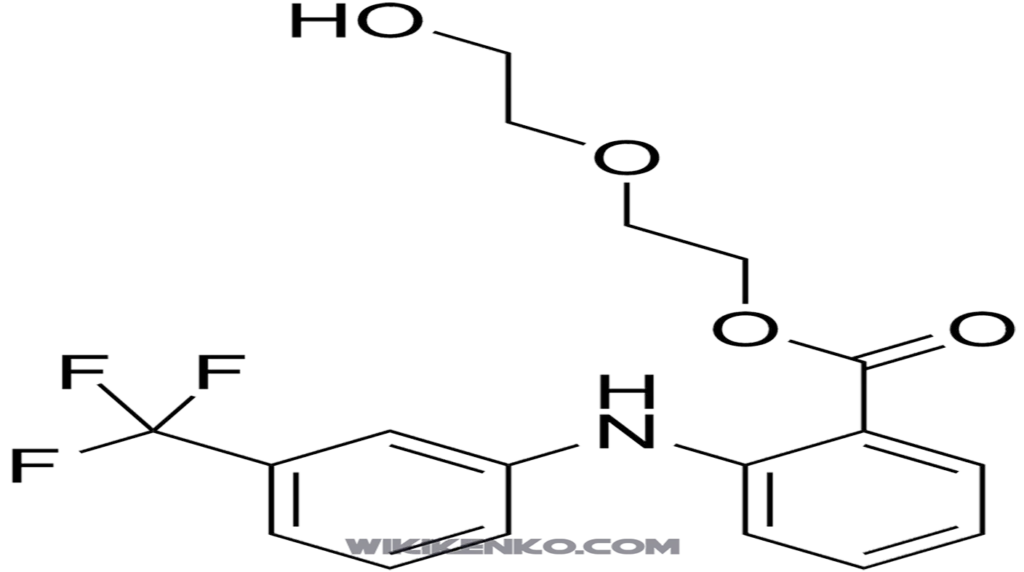
Ethophenamate, chemically known as 2-ethoxy-N-(2-hydroxyethyl)-N-methylbenzamide, has the molecular formula C12H17NO3 and a molecular weight of approximately 223.27 g/mol. It features a carbamate group connected to an aromatic benzene ring, with an ethoxy side chain and a hydroxyethylamine structure. This configuration contributes to its lipophilicity, allowing for CNS penetration and clinical sedative effects.
Ethophenamate-Based Medicines List
Although not commonly used today in many countries, Ethophenamate has historically been part of several pharmaceutical preparations. Below are eight notable or previously marketed products that have contained this active ingredient:
- Valamin® – A sedative-hypnotic formulation.
- Ethomex® – Primarily marketed for its anxiolytic properties.
- Mephenamat® – Combines “ethophenamate “with analgesics or muscle relaxants.
- Trankilin® – An anti-anxiety combination.
- Sedatin® – Used for treating mild forms of anxiety and nervousness.
- Calmosin® – Often sold over the counter in select countries.
- Nervosan® – Combines ethophenamate with herbal sedatives.
- Dormix® – Indicated for transient insomnia or muscle spasms.
Note: Many of these products may now be discontinued or restricted due to the evolution of drug safety standards.
Mechanism of Action
Ethophenamate acts as a CNS depressant, primarily through potentiation of the gamma-aminobutyric acid (GABA) system. GABA is the principal inhibitory neurotransmitter in the brain, and its activation reduces neuronal excitability. Ethophenamate is believed to enhance GABAergic activity by acting on GABA-A receptors, leading to sedative, anxiolytic, and muscle-relaxing effects. It shares structural and functional similarities with meprobamate and other carbamates, though with slightly different potency and metabolic profile.
Pharmacokinetics
Ethophenamate demonstrates moderate oral bioavailability, and its onset of action occurs within 30–60 minutes of administration. Its absorption occurs primarily through the gastrointestinal tract.
- Absorption: Rapid after oral dosing.
- Distribution: Crosses the blood-brain barrier due to its lipophilic nature.
- Metabolism: Undergoes hepatic metabolism, likely via hydrolysis of the carbamate group.
- Elimination: Excreted primarily via the renal route as metabolites.
- Half-life: Estimated at around 6–8 hours, allowing for twice or three-times-daily dosing.

Due to a lack of recent clinical research, detailed pharmacokinetic modeling is limited compared to modern drugs.
Therapeutic Uses
| Indication | Role of Ethophenamate |
|---|---|
| Generalized Anxiety Disorder | Short-term anxiolytic effects; non-benzodiazepine sedative |
| Acute Muscle Spasms | Muscle-relaxant properties aid in musculoskeletal conditions |
| Insomnia (short-term) | Sedative effect helpful in transient insomnia |
| Tension Headaches | Adjunctive treatment in stress-induced headaches |
| Post-traumatic Anxiety States | Used historically for emotional stabilization |
| Alcohol Withdrawal Symptoms | Previously explored as a calming agent during detoxification |
| Functional Gastrointestinal Pain | Relaxation of smooth muscle in psychosomatic GI disorders |
| Psychosomatic Disorders | Used in combination therapy for anxiety-associated symptoms |
Side Effects
While generally mild at therapeutic doses, Ethophenamate can cause a range of side effects due to its central action:
- Common:
- Drowsiness
- Dizziness
- Mild headache
- Fatigue
- Less Common:
- Gastrointestinal discomfort (nausea, stomach upset)
- Mild hypotension
- Rare but Serious:
- Allergic reactions (rash, itching)
- Central nervous system depression
- Impaired coordination or balance
- Psychological dependence with prolonged use
Unlike benzodiazepines, Ethophenamate has a lower abuse potential but is not free from risks associated with sedation and dependency, especially when used long-term.
Drug Interactions
As a CNS depressant, Ethophenamate can interact with several classes of medications and substances:
- Alcohol: Additive sedative effects; increased risk of respiratory depression.
- Barbiturates and benzodiazepines: Potentiation of CNS depressant effects.
- Opioids: Enhanced risk of drowsiness, sedation, and respiratory suppression.
- Antidepressants: May cause excessive sedation, especially with tricyclics.
- Antihistamines (1st generation): Additive drowsiness and sedation.
- Muscle relaxants: Risk of increased motor impairment and CNS depression.
Careful dose management and patient counseling are advised when combining Ethophenamate with other sedative or psychoactive drugs.

Safety Considerations
Ethophenamate is generally safe when used short-term and under supervision. However, due to the availability of safer and more effective agents, its use has declined.
- Pregnancy: Not recommended due to lack of sufficient safety data.
- Lactation: Safety in breastfeeding women is not established.
- Elderly patients: Risk of falls and confusion is higher; avoid or use cautiously.
- Pediatric use: Not routinely recommended due to CNS effects and lack of robust pediatric trials.
- Dependence: Chronic use may lead to psychological dependence, though less than with benzodiazepines.
Sudden withdrawal after prolonged use may result in rebound symptoms, including agitation or insomnia.
Regulatory Status
Ethophenamate has been withdrawn or is rarely used in many countries due to the emergence of better alternatives. In jurisdictions where it remains approved, it is typically classified as a prescription-only medicine and regulated under national drug schedules.
- Availability: Limited; rarely used in mainstream practice.
- Controlled Substance: Not typically classified as a controlled drug but monitored for abuse potential.
- WHO Listing: Not included in the World Health Organization’s Essential Medicines list.
- Market Status: Discontinued in many western countries; may still be found in Eastern Europe, parts of Asia, or Latin America.
Conclusion
Ethophenamate is a historical sedative and muscle relaxant that once served an important role in the pharmacotherapy of anxiety and neuromuscular conditions. While it offers some advantages such as lower dependence risk than benzodiazepines, its sedative effects and relatively outdated pharmacology have led to its replacement in most modern treatment guidelines. Nonetheless, it remains an instructive example of early CNS-active compounds and continues to be used in certain regions under clinical discretion.