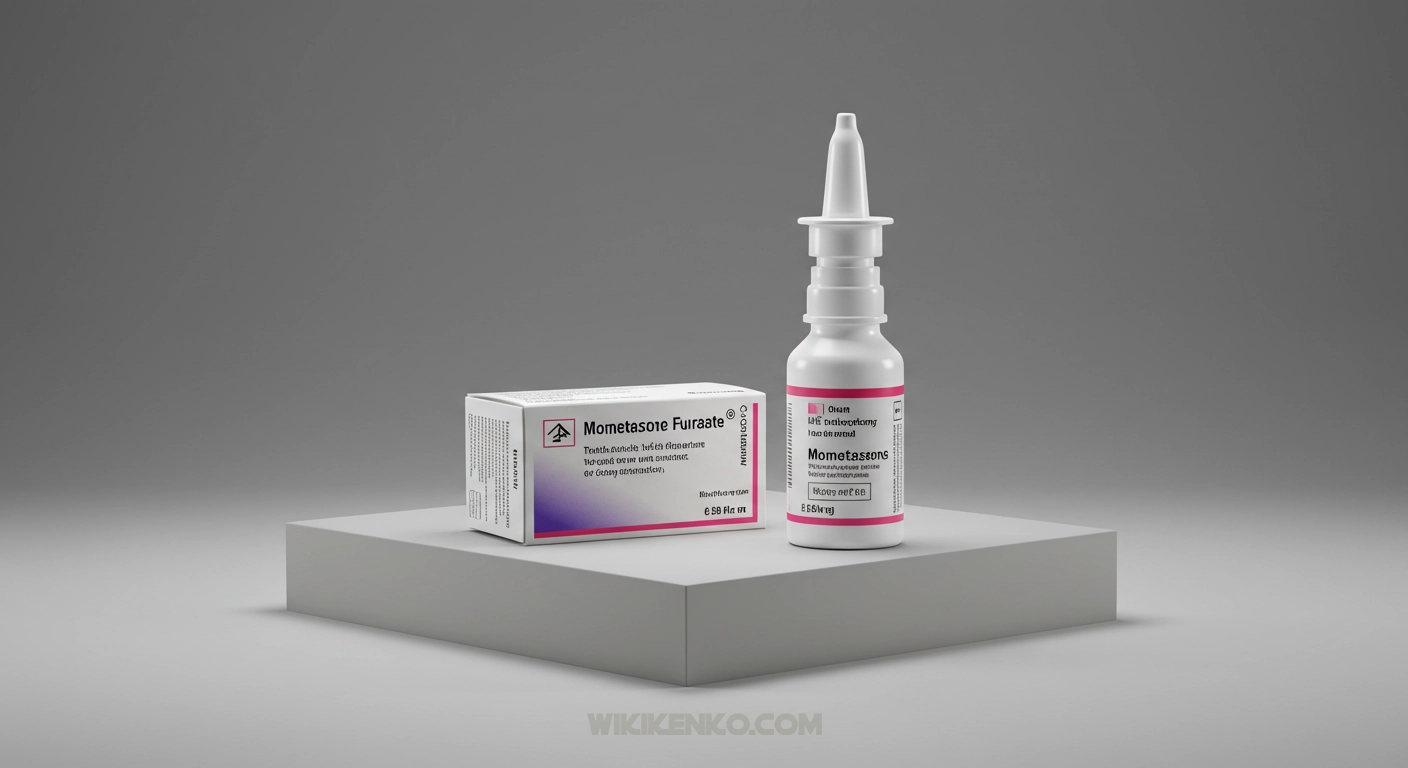
Mometasone furoate is a high-potency synthetic corticosteroid, widely used for its anti-inflammatory, antiallergic, and immunosuppressive properties. It is commonly applied topically, intranasally, or inhaled, depending on the indication. It is frequently prescribed for skin conditions, allergic rhinitis, nasal polyps, and asthma, and is notable for its high receptor affinity and minimal systemic bioavailability, which make it highly effective for localized treatments with a lower risk of systemic side effects.
Chemical Structure
Mometasone furoate is a furoate ester derivative of the corticosteroid mometasone, belonging to the pregnane class of steroids. The molecular formula is C27H30Cl2O6, and the molecular weight is approximately 521.4 g/mol.

Structurally, it includes:
- A chlorinated steroid backbone,
- A furoate group attached at the 17-alpha position, which increases lipophilicity,
- Hydroxyl groups at strategic locations (C11 and C17) necessary for glucocorticoid activity.
This unique esterification (furoate) enhances skin and mucosal penetration while minimizing systemic distribution, making it especially effective as a topical and intranasal agent.
Mometasone-Based Medicines List
- Elocon® – Topical cream/ointment/lotion for skin inflammatory conditions.
- Nasonex® – Intranasal spray for allergic rhinitis and nasal polyps.
- Asmanex® HFA – Inhaled aerosol used for asthma maintenance therapy.
- Asmanex® Twisthaler – Dry powder inhaler for long-term asthma control.
- Dulera® – Combination inhaler (mometasone + formoterol) for moderate to severe asthma.
- Ryaltris® – Fixed-dose nasal spray (mometasone + olopatadine) for seasonal allergic rhinitis.
- Sinuva® – Corticosteroid-eluting sinus implant for recurrent nasal polyps.
- Elomet® – Alternative brand name for mometasone topical formulation in some regions.
Mechanism of Action
Mometasone furoate acts by binding to glucocorticoid receptors in the cytoplasm, which then translocate to the nucleus to modulate gene expression. It inhibits transcription of pro-inflammatory cytokines, enzymes (like COX-2), and other mediators (e.g., prostaglandins, leukotrienes, and histamine). It also induces the expression of anti-inflammatory proteins such as lipocortin-1, which inhibits phospholipase A2, thereby preventing arachidonic acid cascade initiation.
The overall result is:
- Reduced inflammation,
- Suppressed immune response,
- Decreased vasodilation and vascular permeability,
- Relief from redness, swelling, itching, and congestion.
Pharmacokinetics
- Absorption: Very low systemic absorption when used topically or intranasally. Estimated bioavailability for intranasal use is less than 1%.
- Distribution: Highly protein-bound (>98%), primarily to albumin and corticosteroid-binding globulin.
- Metabolism: Extensively metabolized in the liver by the CYP3A4 enzyme into inactive metabolites.
- Elimination Half-Life: Approximately 5 to 7 hours.
- Excretion: Predominantly excreted via bile and feces; minor urinary elimination.
Due to minimal systemic levels, the risk of systemic corticosteroid effects (like adrenal suppression) is significantly lower compared to oral corticosteroids, especially when used at recommended doses.
Therapeutic Uses
| Condition | Formulation | Role of Mometasone Furoate |
|---|---|---|
| Atopic Dermatitis | Topical cream/ointment | Reduces skin inflammation, redness, and itching |
| Psoriasis | Topical cream | Suppresses immune-driven skin lesions |
| Seborrheic Dermatitis | Topical lotion | Controls flaking and erythema on scalp and face |
| Allergic Rhinitis (seasonal/perennial) | Nasal spray | Relieves nasal congestion, sneezing, and runny nose |
| Nasal Polyposis | Nasal spray/implant | Reduces polyp size and nasal obstruction |
| Asthma (maintenance) | Inhaler (DPI or HFA) | Controls chronic airway inflammation and prevents exacerbations |
| Chronic Rhinosinusitis | Sinus implant | Sustained local corticosteroid delivery in nasal sinuses |
| Allergic Conjunctivitis (combo) | Nasal spray (with antihistamine) | Dual mechanism in managing ocular/nasal allergy symptoms |
Side Effects
“Mometasone furoate” is generally well-tolerated. However, side effects may occur based on the route and duration of administration.
Common Side Effects:
- Topical: Skin thinning, burning, pruritus, acne, striae, telangiectasia.
- Nasal: Headache, epistaxis (nosebleeds), sore throat, nasal irritation.
- Inhaled: Hoarseness, oral thrush (candidiasis), cough, throat irritation.
Rare Side Effects:
- Adrenal suppression (with prolonged high-dose use),
- Growth retardation in children (with chronic inhaled use),
- Ocular effects such as cataracts or glaucoma (especially with facial application),
- Hypersensitivity reactions (e.g., rash, angioedema),
- Withdrawal dermatitis upon abrupt discontinuation of long-term topical use.
Drug Interactions
While systemic absorption is low, interactions can theoretically occur in high-dose or prolonged use.
- CYP3A4 Inhibitors (e.g., ketoconazole, ritonavir): May increase systemic corticosteroid levels.
- Other corticosteroids: Additive systemic effects, particularly in combination with oral or inhaled corticosteroids.
- Live Vaccines: Avoid use in immunosuppressed individuals, including those on long-term corticosteroid therapy.
Safety Considerations
- Pediatric Use: Approved for children in specific formulations and durations. Prolonged use should be monitored for growth suppression.
- Pregnancy: Generally considered safe when used topically or nasally; however, should only be used if the benefit outweighs potential fetal risks.
- Lactation: Minimal risk when used topically; avoid direct application to the nipple area.
- Elderly: No specific dose adjustment required, but skin thinning may be more pronounced.
- Face and Intertriginous Areas: Use with caution due to increased absorption and risk of skin atrophy.
- Occlusive Dressings: May significantly increase systemic absorption of topical formulations.
Regulatory Status
- Prescription-only medication in most countries.
- FDA-approved for multiple indications including allergic rhinitis, asthma, and dermatologic disorders.
- Included in World Health Organization’s List of Essential Medicines due to its safety and efficacy profile.
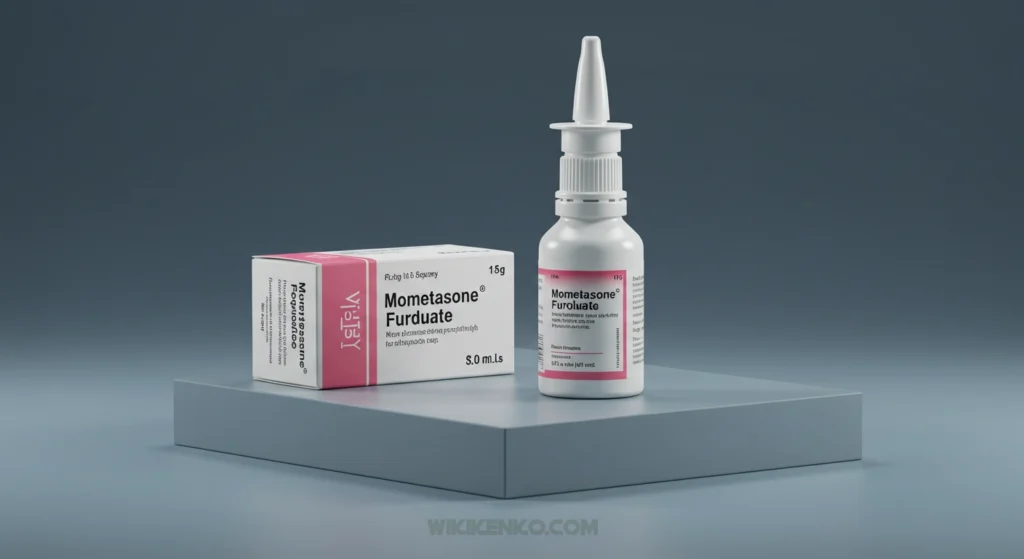
- Available in multiple dosage forms: creams, ointments, lotions, nasal sprays, inhalers, and sinus implants.
- Marketed globally under numerous brand names, with regional variations in product labeling and indications.
Conclusion
Mometasone furoate stands as one of the most versatile and potent topical corticosteroids available in clinical practice today. Its high glucocorticoid receptor affinity, minimal systemic activity, and wide spectrum of therapeutic uses make it a mainstay in managing inflammatory conditions of the skin, nose, and lungs. When used according to guidelines, it offers significant relief with a low incidence of adverse effects, especially when systemic absorption is minimized. Nevertheless, clinical prudence remains essential, particularly in pediatric, elderly, or long-term use scenarios.