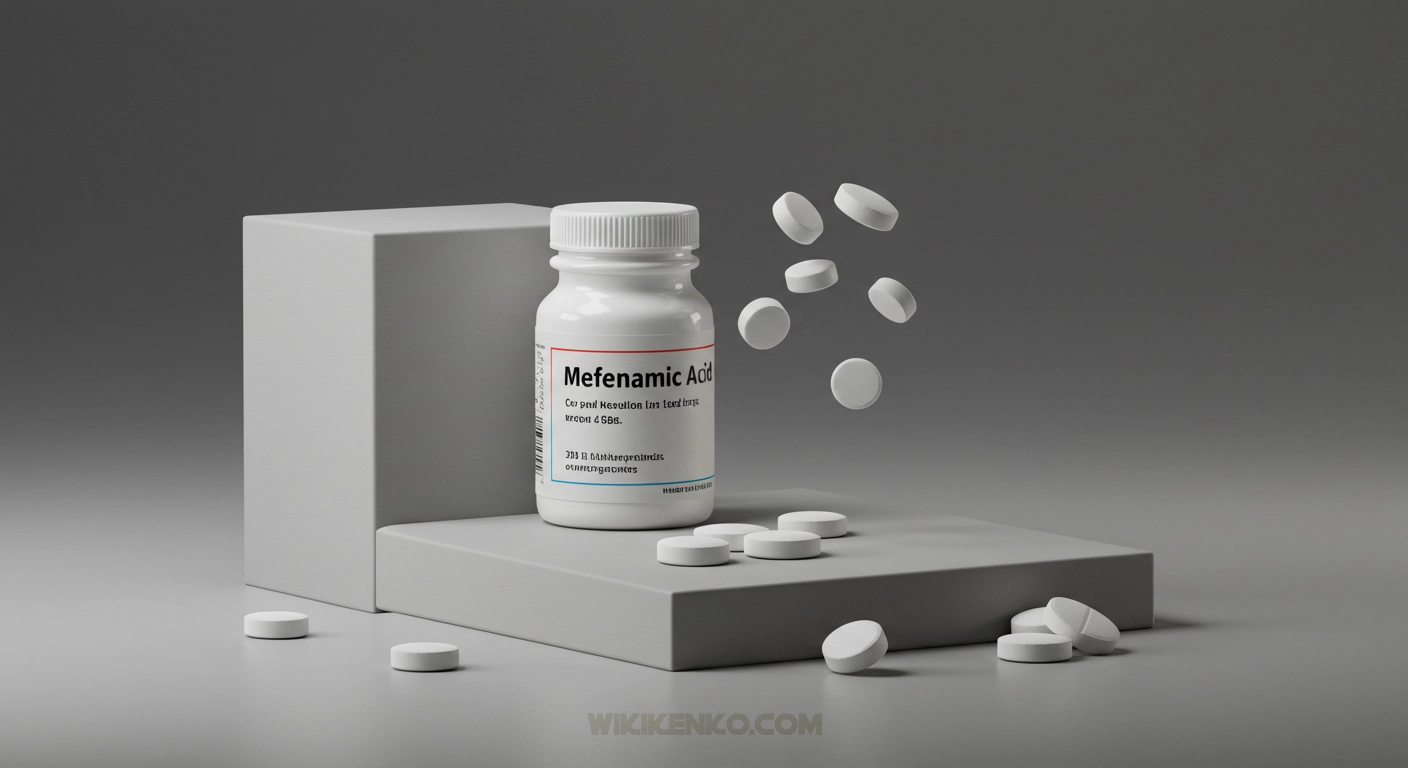
Mefenamic acid is a nonsteroidal anti-inflammatory drug (NSAID) belonging to the anthranilic acid derivatives, commonly referred to as fenamates. It is primarily used for the relief of mild to moderate pain, including dysmenorrhea, musculoskeletal pain, arthritis, and inflammatory conditions. Unlike some NSAIDs that are geared toward chronic use, mefenamic acid is particularly effective for short-term treatment of acute pain episodes.
Discovered in the 1960s, it gained widespread use due to its dual action in controlling pain and inflammation, while also demonstrating efficacy in reducing excessive menstrual bleeding. Though less commonly prescribed today in some countries due to gastrointestinal and renal safety concerns with long-term use, it remains widely utilized in various parts of the world, especially for menstrual disorders.
Chemical Structure
- IUPAC Name: 2-[(2,3-dimethylphenyl)amino]benzoic acid
- Molecular Formula: C15H15NO2
- Molecular Weight: 241.29 g/mol
- Chemical Class: Anthranilic acid derivative (fenamate group)
- Appearance: White to off-white crystalline powder
- Solubility: Poorly soluble in water; soluble in organic solvents like ethanol and acetone
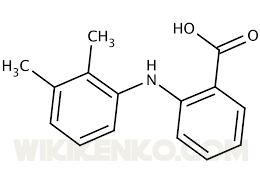
Structurally, mefenamic acid is similar to other NSAIDs but features an anthranilic acid core, making it a member of the fenamate family, which imparts both anti-inflammatory and analgesic properties.
Mefenamic Acid-Based Medicines List
- Ponstel® – One of the earliest branded versions used in the U.S.
- Meftal® – A widely used brand in India and Southeast Asia.
- Ponstan® – Common in Europe and parts of Asia.
- Mefacid® – Marketed for dysmenorrhea and general pain relief.
- Meftagesic® – A combination formulation with paracetamol.
- Meflong® – Used for muscular and dental pain.
- Anafen® – A brand targeted toward gynecological pain.
- Femina® – Marketed specifically for menstrual cramps and PMS pain.
These products are usually available in tablet, capsule, or suspension forms for oral use.
Mechanism of Action
Mefenamic acid exerts its therapeutic effects by inhibiting the cyclooxygenase (COX) enzymes, primarily COX-1 and COX-2. These enzymes are essential for the biosynthesis of prostaglandins, which are lipid compounds that mediate inflammation, pain, and fever.
- By inhibiting COX enzymes, “mefenamic acid” reduces the synthesis of prostaglandins at the site of tissue injury or inflammation.
- It also affects uterine smooth muscle, making it effective in reducing menstrual cramps and heavy bleeding.
- Mefenamic acid possesses analgesic, antipyretic, and anti-inflammatory properties.
Unlike some selective COX-2 inhibitors, mefenamic acid’s non-selectivity contributes to its efficacy but also to its gastrointestinal side effects.
Pharmacokinetics
| Pharmacokinetic Parameter | Details |
|---|---|
| Route of Administration | Oral |
| Bioavailability | Approximately 90% |
| Absorption | Rapidly absorbed from the gastrointestinal tract |
| Peak Plasma Concentration | 2 to 4 hours post-dose |
| Protein Binding | >90% (highly bound to plasma proteins) |
| Metabolism | Hepatic via cytochrome P450 enzymes (mainly CYP2C9) |
| Elimination Half-Life | 2 to 4 hours |
| Excretion | Primarily in urine as glucuronide conjugates |
Food can delay absorption slightly but does not significantly affect the extent of absorption. Renal and hepatic impairments can alter its pharmacokinetics.
Therapeutic Uses
| Indication | Therapeutic Role |
|---|---|
| Primary dysmenorrhea | Relief from menstrual cramps and uterine pain |
| Heavy menstrual bleeding (menorrhagia) | Reduction in prostaglandin-mediated bleeding |
| Musculoskeletal pain | Short-term relief from sprains, strains, and trauma |
| Dental pain | Effective for post-procedure or inflammatory pain |
| Headache | Used off-label for mild to moderate headaches |
| Post-operative pain | Short-term analgesic use |
| Inflammatory arthritis (mild cases) | Symptom relief for pain and stiffness |
| Fever (adjunctive) | Antipyretic effects in inflammatory fevers |
Side Effects
Mefenamic acid, like other NSAIDs, carries a risk of gastrointestinal, renal, and cardiovascular side effects, especially with prolonged use or high doses.
Common Side Effects
- Nausea and vomiting
- Diarrhea or constipation
- Abdominal pain
- Heartburn or indigestion
- Headache or dizziness
Serious or Rare Side Effects
- Gastrointestinal bleeding or ulcers
- Renal dysfunction or acute kidney injury
- Allergic reactions (rash, urticaria, anaphylaxis)
- Elevated liver enzymes
- Hematologic changes (e.g., anemia, thrombocytopenia)
- Fluid retention and edema (in susceptible patients)
The risk increases with age, preexisting gastrointestinal disease, or concurrent use of other NSAIDs or corticosteroids.
Drug Interactions
Mefenamic acid interacts with various medications due to its effects on renal function, protein binding, and prostaglandin synthesis.
| Drug | Interaction Type |
|---|---|
| Warfarin | Increased bleeding risk (displacement from plasma proteins) |
| Lithium | Increased lithium levels due to decreased renal clearance |
| ACE inhibitors / ARBs | Reduced antihypertensive effect; increased nephrotoxicity |
| Diuretics (e.g., furosemide) | Decreased diuretic efficacy |
| Methotrexate | Increased toxicity due to reduced renal elimination |
| Cyclosporine | Enhanced nephrotoxic effects |
| Other NSAIDs or corticosteroids | Additive gastrointestinal and renal side effects |
Safety Considerations
General Precautions
- Use for short-term management only (≤7 days in many cases).
- Avoid in patients with active GI ulcers, renal impairment, or uncontrolled hypertension.
- Discontinue immediately if signs of GI bleeding, allergic reaction, or renal issues occur.
- Not recommended for elderly patients unless necessary due to higher risk of adverse effects.
Population-Based Guidance
- Pregnancy: Contraindicated in the third trimester due to risk of fetal renal impairment and premature ductus arteriosus closure.
- Lactation: Caution advised; small amounts may be excreted in breast milk.
- Pediatrics: Limited data; use under specialist advice in older children.
- Hepatic Impairment: Use cautiously due to hepatic metabolism.

Regulatory Status
- United States (FDA): Approved for specific indications like primary dysmenorrhea and mild to moderate pain.
- Europe (EMA): Available by prescription; some countries have re-evaluated its risk-benefit profile due to GI safety.
- India, Southeast Asia, Middle East: Widely used OTC and Rx.
- Controlled Substance: Not a controlled drug.
- Prescription Status: Usually prescription-only (Rx), though OTC in some regions for menstrual pain.
Conclusion
Mefenamic acid remains a valuable NSAID for the short-term treatment of pain, especially menstrual-related pain, due to its targeted prostaglandin inhibition in the uterus. Though effective, its use requires caution due to the potential for gastrointestinal, renal, and hematologic side effects, particularly in vulnerable populations.
Prescribers and patients should adhere to recommended dosing durations and monitor for signs of adverse effects. When used appropriately, mefenamic acid offers a fast-acting, effective analgesic option for many acute inflammatory conditions.