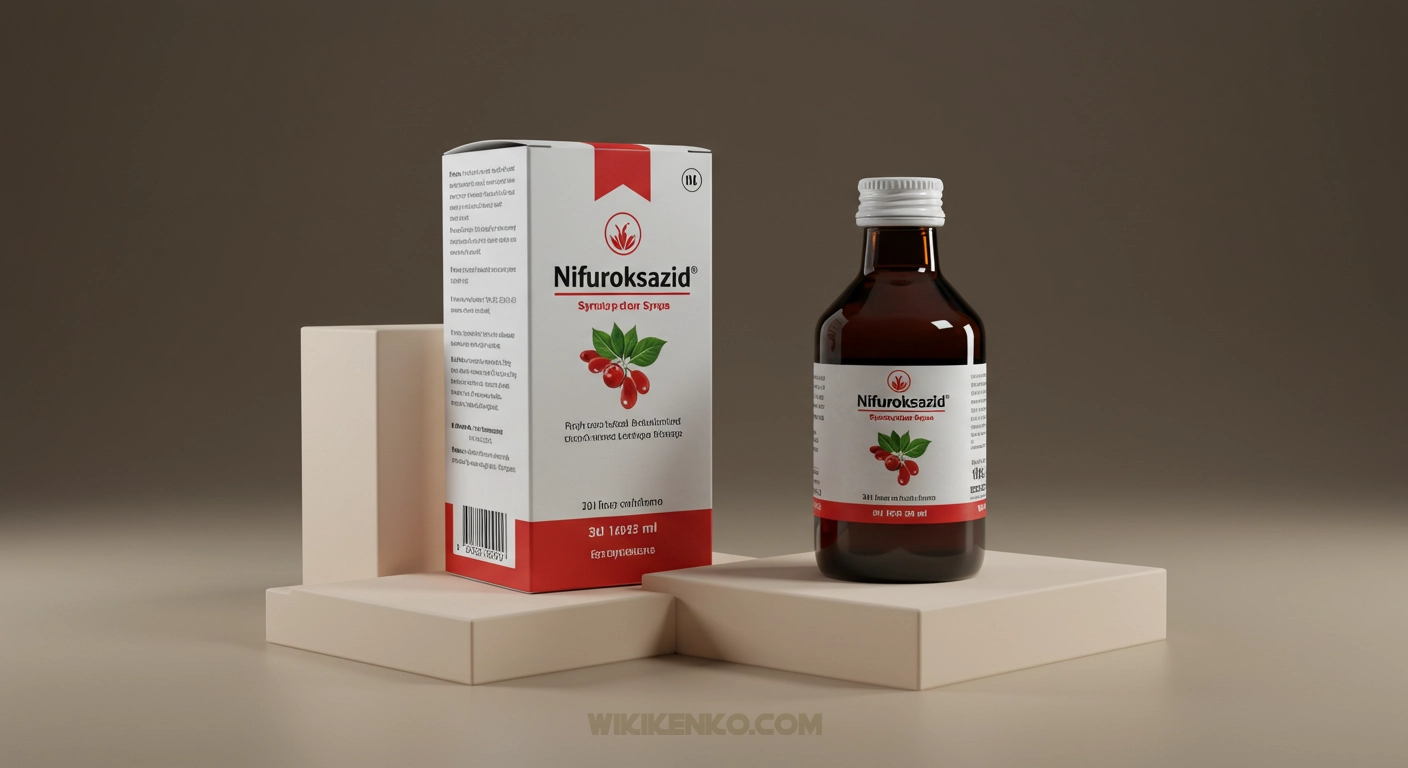
Nifuroxazide is an oral intestinal antiseptic and antimicrobial agent used primarily for the treatment of acute diarrhea of bacterial origin, especially in cases where the causative agents are suspected or confirmed enteropathogenic bacteria. Unlike systemic antibiotics, nifuroxazide acts locally in the intestinal lumen without being absorbed into the bloodstream, thus limiting systemic side effects and the risk of resistance development.
This compound belongs to the nitrofuran class of antimicrobial drugs, which are known for their broad-spectrum activity against Gram-positive and Gram-negative bacteria. Due to its minimal absorption, it is commonly prescribed in both adults and pediatric patients for short-term gastrointestinal infections, often as part of supportive therapy for diarrhea.
Chemical Structure
- IUPAC Name: 4-hydroxy-N′-[(5-nitrofuran-2-yl)methylidene]benzohydrazide
- Molecular Formula: C12H9N3O5
- Molecular Weight: 275.22 g/mol
- Class: Nitrofurans
- Chemical Nature: Yellow crystalline powder, poorly soluble in water
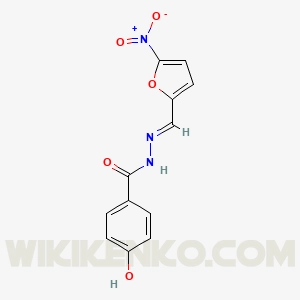
The structure of nifuroxazide contains a nitrofuran ring, which is essential for its antimicrobial activity. This chemical configuration allows for the disruption of bacterial enzymatic systems once it comes into contact with the gut flora.
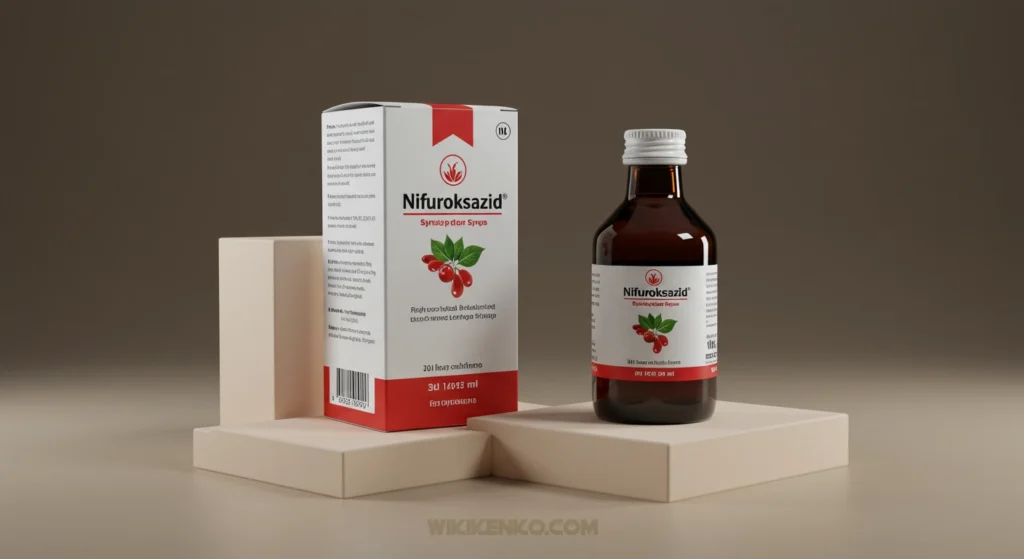
Nifuroxazide-Based Medicines List
- Ercefuryl® – A well-known European brand, widely prescribed in both adults and children.
- Antinal® – Popular in Middle Eastern and North African countries.
- Enterofuryl® – Common in Eastern Europe and post-Soviet states.
- Nifuroxazide AL® – German formulation with wide availability.
- Nifurtoinol® – A similar nitrofuran derivative often used interchangeably in some countries.
- Diafuryl® – Marketed in various European countries for acute diarrhea.
- Mirofuril® – Regional brand used in gastrointestinal infections.
- Nifuretten® – Pediatric formulation available in syrup form.
These formulations come in capsules, tablets, and suspensions, making them suitable for a wide range of age groups.
Mechanism of Action
Nifuroxazide acts as a local antibacterial agent within the intestinal tract. Its mechanism involves inhibition of bacterial dehydrogenases and other enzymes involved in metabolic pathways necessary for bacterial growth and replication.
By interacting with bacterial proteins and DNA (after the nitrofuran group is reduced intracellularly), “nifuroxazide “disrupts key cellular processes, leading to the death of susceptible bacteria. It exerts bactericidal or bacteriostatic activity depending on the concentration and bacterial strain.
Importantly, since it is not absorbed systemically, its action is restricted to intestinal pathogens, reducing the risk of systemic antibiotic resistance and microbiota disruption elsewhere in the body.
Pharmacokinetics
| Pharmacokinetic Property | Details |
|---|---|
| Absorption | Negligible; acts locally in the intestinal lumen |
| Distribution | Not systemically distributed |
| Metabolism | Not metabolized systemically due to minimal absorption |
| Elimination | Primarily excreted unchanged in feces |
| Bioavailability | Very low; pharmacological effect limited to the gut |
| Half-life | Not applicable (non-systemic) |
Due to its lack of systemic absorption, conventional pharmacokinetic parameters like serum levels and half-life are not clinically relevant for nifuroxazide.
Therapeutic Uses
| Indication | Therapeutic Role |
|---|---|
| Acute infectious diarrhea | Primary use, especially with bacterial origin |
| Traveler’s diarrhea | Often used as a prophylactic or early treatment |
| Diarrhea in children | Pediatric formulations widely used with good safety profile |
| Diarrhea in adults | Safe short-term treatment |
| Intestinal bacterial overgrowth | Occasionally used off-label |
| Post-antibiotic diarrhea (non-C. diff) | Symptomatic management |
| Supportive therapy in enterocolitis | Used with rehydration and diet modifications |
| Gastrointestinal infection prophylaxis | In some regions, used in outbreak situations |
Side Effects
Nifuroxazide is generally well tolerated, largely due to its lack of systemic activity. However, as with any drug, side effects can occur.
Common Side Effects
- Mild abdominal discomfort
- Nausea
- Flatulence
- Headache
Rare or Serious Side Effects
- Allergic skin reactions (rash, itching)
- Hypersensitivity (especially in those allergic to nitrofuran derivatives)
- Anaphylaxis (extremely rare)
No significant gastrointestinal flora disruption or secondary infections like C. difficile colitis are commonly associated with nifuroxazide due to its localized action.
Drug Interactions
Because of its minimal absorption, nifuroxazide has few known drug interactions. However, the following considerations may apply:
| Drug/Group | Interaction Note |
|---|---|
| Oral live vaccines | May reduce efficacy due to antimicrobial action |
| Other antimicrobials | Usually no interaction, but combined therapy is unnecessary |
| Alcohol | Caution advised (as with all nitrofuran derivatives) |
Unlike metronidazole and other nitro-based agents, disulfiram-like reactions are not typically reported with nifuroxazide, though caution is sometimes advised.
Safety Considerations
General Precautions
- Not intended for chronic or prophylactic use beyond a few days.
- Should not be used in diarrhea with fever or blood in stools, which could indicate invasive pathogens needing systemic treatment.
- Always combine with adequate rehydration therapy, especially in children.
Population-Specific Guidance
- Pregnancy: Generally considered safe due to lack of systemic absorption; animal studies show no teratogenic effects.
- Lactation: Minimal risk to infants; caution still advised.
- Pediatrics: Widely used and well tolerated; dosage adjusted by age and weight.
- Elderly: No specific concerns unless severe gastrointestinal disorders are present.
Regulatory Status
| Region | Status |
|---|---|
| Europe (EMA) | Approved; widely available OTC and Rx |
| Middle East/North Africa | OTC in many countries |
| Russia/CIS | Widely used and often available without prescription |
| United States (FDA) | Not approved; not marketed |
| India/Asia | Available OTC/Rx depending on region |
In the United States, nifuroxazide is not approved for use, although similar nitrofuran compounds are used in veterinary medicine. In many other countries, especially in Europe and the Middle East, it is available over-the-counter, reflecting its well-established safety profile.
Conclusion
Nifuroxazide is a well-established, locally acting intestinal antiseptic with excellent efficacy in treating acute, uncomplicated bacterial diarrhea. It stands out among antimicrobials due to its lack of systemic absorption, which results in a low risk of systemic side effects or drug interactions.
Its broad-spectrum antibacterial activity, particularly against common enteric pathogens, along with good tolerability in pediatric and adult populations, makes it a mainstay therapy in many parts of the world. When used appropriately alongside fluid replacement therapy, nifuroxazide provides rapid symptom relief while minimizing the risk of antimicrobial resistance.