
Description
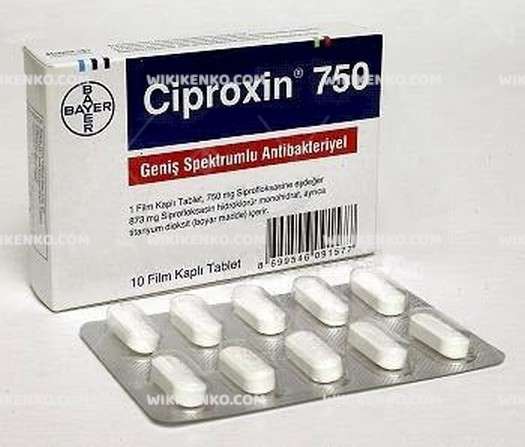
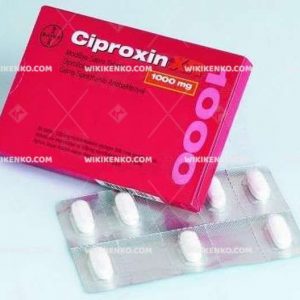
Ciproxin Film-Coated Tablet 750 mg contains 873 mg ciprofloxacin hydrochloride monohydrate, equivalent to 750 mg ciprofloxacin as the active substance. Ciprofloxacin hydrochloride is the monohydrochloride monohydrate salt of 1-cyclopropyl-6-fluoro-1,4-dihydro-4-oxo-7-(1-piperazinyl)-3-quinolinecarboxylic acid.
The tablets are typically white or off‑white, capsule‑shaped, biconvex, and film‑coated, with strength-specific debossing depending on the manufacturer. Excipients commonly include microcrystalline cellulose, starch, magnesium stearate, silica, and film‑coat components such as hypromellose, titanium dioxide, and polyethylene glycol, although exact excipient profiles may vary by brand and country.
Therapeutic Class and Mechanism of Action
Ciprofloxacin belongs to the fluoroquinolone antibacterial class and is a broad‑spectrum, bactericidal antibiotic. Its primary target is bacterial DNA gyrase (topoisomerase II) and topoisomerase IV, enzymes essential for DNA replication, transcription, repair, and recombination.
By stabilising the DNA–enzyme complex and preventing religation of DNA strands, ciprofloxacin induces lethal double‑strand DNA breaks, leading to rapid bacterial cell death, particularly in actively dividing organisms. It exhibits concentration‑dependent killing and a significant post‑antibiotic effect against many Gram‑negative pathogens.
Antibacterial Spectrum
Ciprofloxacin has potent activity against a wide range of aerobic Gram‑negative bacteria, with more variable activity against Gram‑positive organisms. Clinically relevant susceptible species typically include Escherichia coli, Klebsiella spp., Enterobacter spp., Proteus spp., Pseudomonas aeruginosa, Neisseria gonorrhoeae, Haemophilus influenzae, Moraxella catarrhalis, Salmonella spp., Shigella spp., and Campylobacter jejuni, among others.
Activity against Gram‑positive organisms such as Staphylococcus aureus and Streptococcus pneumoniae is moderate and often limited by resistance, so ciprofloxacin is not considered a first‑line agent for many purely Gram‑positive infections. It is inactive against most anaerobic bacteria and is not suitable for infections where strict anaerobes predominate, unless used in combination with other agents.
Table 1. Selected Susceptible Pathogens for Oral Ciprofloxacin (750 mg Strength Applicable)
| Bacterial group | Examples commonly susceptible (local resistance must be checked) |
|---|---|
| Enterobacterales | Escherichia coli, Klebsiella pneumoniae, Enterobacter cloacae, Proteus mirabilis, Serratia marcescens |
| Non‑fermenters | Pseudomonas aeruginosa, some Acinetobacter spp. (variable) |
| Other Gram‑negative | Haemophilus influenzae, Moraxella catarrhalis, Neisseria gonorrhoeae, Salmonella typhi, Shigella spp., Campylobacter jejuni |
| Gram‑positive (limited) | Staphylococcus aureus (MSSA), some Streptococcus spp. (not reliable for pneumococcal disease) |
| Atypical / others | Some Mycobacterium spp., and Yersinia pestis (plague), Bacillus anthracis (anthrax, post‑exposure) |
Indications and Clinical Uses (Adults)
Oral ciprofloxacin 750 mg tablets are reserved for moderate to severe infections or those caused by less susceptible organisms where higher systemic exposure is required. Indications vary slightly by regulatory authority and product licence, but typical approved uses in adults include:
-
Complicated urinary tract infections and pyelonephritis.
-
Chronic bacterial prostatitis.
-
Lower respiratory tract infections, including acute exacerbations of chronic bronchitis and certain pneumonias due to susceptible Gram‑negative organisms.
-
Skin and soft‑tissue infections due to susceptible Gram‑negative bacteria.
-
Bone and joint infections, particularly due to Gram‑negative bacilli including Pseudomonas aeruginosa.
-
Complicated intra‑abdominal infections in combination with metronidazole or other anaerobic coverage.
-
Infectious diarrhoea, including that due to Salmonella, Shigella and certain E. coli strains.
-
Typhoid (enteric) fever caused by Salmonella typhi in areas where susceptibility is documented.
-
Uncomplicated gonorrhoea (only where local susceptibility is confirmed and alternative agents are unsuitable; many regions no longer recommend fluoroquinolones empirically).
-
Inhalational anthrax (post‑exposure prophylaxis and treatment) and plague, as part of specific national guidelines.
For many conditions that are self‑limiting or have safer alternatives (e.g. uncomplicated cystitis), regulators emphasise that fluoroquinolones should be reserved for patients without adequate alternative options due to serious adverse reactions.
Dosage and Administration
The 750 mg film‑coated tablet is intended for oral administration, swallowed whole with fluid and not chewed or crushed. It may be taken with or without food; however, administration with a light meal may reduce gastrointestinal discomfort, while avoiding co‑administration with dairy products or mineral‑fortified juices that substantially impair absorption.
Typical adult dosage regimens using 750 mg tablets include:
-
Severe or complicated urinary tract infections and pyelonephritis: 500–750 mg twice daily.
-
Bone and joint infections: 500–750 mg twice daily, often for 4–6 weeks or longer according to clinical response.
-
Complicated intra‑abdominal infections: 500–750 mg twice daily, usually combined with an anaerobic agent (e.g. metronidazole).
-
Typhoid fever or severe gastrointestinal infections: 500–750 mg twice daily for 7–14 days, depending on pathogen and clinical evolution.
-
Inhalational anthrax (post‑exposure): 500–750 mg twice daily for 60 days, in accordance with public health guidance.
Dose selection must integrate infection site, pathogen susceptibility, renal function, and national or institutional guidelines. Treatment is generally continued for at least 2 days after signs and symptoms of infection have resolved, except in specific indications such as anthrax where fixed prolonged courses are mandated.
Dose adjustment in renal impairment
Ciprofloxacin is predominantly eliminated by renal excretion, so dosage adjustment is required in reduced creatinine clearance. For creatinine clearance below approximately 30 mL/min, either the dose or dosing interval is reduced (for example, 750 mg once daily instead of twice daily), according to the product label and local guidance. In severe renal dysfunction or combined renal–hepatic compromise, careful monitoring of efficacy and toxicity is recommended with possible further adjustments.
Pharmacokinetics
After oral administration, ciprofloxacin is rapidly absorbed, with absolute bioavailability of approximately 70% for immediate‑release tablets. Peak plasma concentrations are usually reached within 1–2 hours under fasting conditions and are proportionally higher with the 750 mg dose compared to lower strengths.
Ciprofloxacin displays a large apparent volume of distribution, achieving therapeutic concentrations in urine, kidneys, lungs, prostate, abdominal tissues, bone, and some body fluids, though central nervous system penetration is more limited. Protein binding is relatively low (20–40%), and the terminal elimination half‑life in patients with normal renal function is about 4 hours.
The drug is excreted mainly via the kidneys through glomerular filtration and tubular secretion, with a smaller fraction metabolised hepatically and excreted in bile and faeces. Prolonged half‑life and increased systemic exposure occur in renal impairment, necessitating dose adjustment as outlined above.
Contraindications
Ciprofloxacin 750 mg film‑coated tablets are contraindicated in the following situations:
-
Known hypersensitivity to ciprofloxacin, other quinolones, or any excipients.
-
History of serious adverse reactions (e.g. disabling tendon disorders) associated with fluoroquinolone therapy.
-
Concomitant administration with tizanidine due to risk of marked hypotension and CNS depression (country‑specific; included in several product labels).
-
Use in patients with a history of fluoroquinolone‑associated tendinopathy, especially involving the Achilles tendon.
Many regulatory agencies also advise against routine use of systemic fluoroquinolones for non‑severe infections that have other adequate treatment options because of the risk of rare but serious, long‑lasting adverse effects.
Warnings and Precautions
Tendon disorders and musculoskeletal toxicity
Fluoroquinolones are associated with tendinitis and tendon rupture (especially Achilles tendon), sometimes bilateral and occurring within 48 hours of treatment or months after discontinuation. Risk is increased in older adults, in patients receiving systemic corticosteroids, and in those with renal impairment or solid organ transplants. Treatment should be stopped at the first sign of tendon pain, swelling, or inflammation, and the affected limb rested.
Central nervous system (CNS) effects
Ciprofloxacin may cause CNS adverse effects, including headaches, dizziness, confusion, tremor, hallucinations, psychosis, seizures, and exacerbation of myasthenia gravis. Use is cautioned in patients with known or suspected CNS disorders, seizure history, or conditions predisposing to seizures. Peripheral neuropathy (sensory or sensorimotor) with potentially irreversible symptoms such as pain, burning, tingling, numbness, or weakness has been reported; onset may be rapid and requires drug discontinuation.
Cardiovascular risk, including QT prolongation
Ciprofloxacin can prolong the QT interval, with potential risk of torsade de pointes in predisposed individuals. Caution is advised in patients with congenital long QT syndrome, uncorrected electrolyte disturbances (hypokalaemia, hypomagnesaemia), or those receiving other QT‑prolonging drugs such as certain antiarrhythmics, macrolides, or antipsychotics. Elderly patients and women may be at higher risk for drug‑induced QT prolongation.
Aortic and musculoskeletal connective tissue effects
Regulatory communications have highlighted a possible association between systemic fluoroquinolones and increased risk of aortic aneurysm, aortic dissection, and other connective tissue disorders, particularly in older individuals or those with pre‑existing vascular disease. Use should be carefully weighed in patients with known aneurysms, peripheral vascular disease, uncontrolled hypertension, or certain genetic syndromes affecting connective tissue.
Hepatotoxicity and hypersensitivity
Severe, potentially fatal hepatotoxicity including acute hepatic failure has been reported, sometimes after only a few doses. Signs such as anorexia, jaundice, dark urine, pruritus, or right upper quadrant pain require immediate evaluation and cessation of therapy. Serious hypersensitivity reactions (anaphylaxis, anaphylactoid reactions, Stevens–Johnson syndrome, toxic epidermal necrolysis) may occur, often after the first dose, and demand urgent medical management.
Clostridioides difficile‑associated diarrhoea
Use of broad‑spectrum agents such as ciprofloxacin is associated with Clostridioides difficile‑associated diarrhoea (CDAD), ranging from mild diarrhoea to fatal colitis. CDAD should be considered in all patients who develop diarrhoea during or after therapy; discontinuation of ciprofloxacin and institution of specific treatment may be required.
Photosensitivity and other precautions
Photosensitivity reactions, including exaggerated sunburn, may occur; patients should avoid excessive sunlight or UV exposure and use protective measures. Fluoroquinolones may disturb glucose homeostasis, causing hypoglycaemia or hyperglycaemia, particularly in diabetic patients receiving hypoglycaemic agents. They may also unmask or exacerbate myasthenia gravis, so use is discouraged in this population.
Adverse Reactions
Adverse reactions to ciprofloxacin are generally dose‑related and more frequent with higher doses and longer durations.
Common reactions include:
-
Gastrointestinal: nausea, diarrhoea, vomiting, abdominal pain, dyspepsia.
-
Central nervous system: headache, dizziness, insomnia, agitation.
-
Skin: rash, pruritus, photosensitivity.
-
Laboratory: transient elevations in liver enzymes or serum creatinine.
Uncommon or rare but clinically significant events include:
-
Tendinitis and tendon rupture.
-
Peripheral neuropathy.
-
Severe hypersensitivity and cutaneous reactions (e.g. anaphylaxis, Stevens–Johnson syndrome).
-
Severe hepatotoxicity and hepatic failure.
-
QT prolongation and ventricular arrhythmias.
-
Blood dyscrasias such as leukopenia, thrombocytopenia, agranulocytosis, and haemolytic anaemia.
-
Psychiatric reactions, including depression, anxiety, nightmares, psychosis, and suicidal ideation.
Any sudden onset of severe, unusual, or progressive symptoms during therapy should prompt immediate medical evaluation.
Drug Interactions
Ciprofloxacin interacts with numerous medicinal products, often via modulation of absorption, metabolism, or additive toxicity.
-
Multivalent cations: Antacids containing aluminium or magnesium, sucralfate, iron or zinc supplements, and calcium‑rich products can markedly reduce ciprofloxacin absorption; they should be taken several hours apart from the antibiotic.
-
Xanthines: Ciprofloxacin inhibits CYP1A2 and can increase plasma levels of theophylline and caffeine, raising the risk of toxicity.
-
Vitamin K antagonists: Enhanced anticoagulant effect of warfarin and similar agents has been observed, requiring monitoring of coagulation parameters.
-
Antiarrhythmics and other QT‑prolonging drugs: Concomitant use may increase the risk of QT prolongation and arrhythmias.
-
Hypoglycaemic agents: Fluoroquinolones can potentiate the glucose‑lowering effect of sulfonylureas and insulin, occasionally leading to severe hypoglycaemia.
-
Tizanidine: Co‑administration is contraindicated in several labels due to markedly increased tizanidine exposure and profound hypotension.
Patients should provide a complete medication list to prescribers to allow systematic assessment of interaction risk.
Use in Special Populations
Pregnancy and lactation
Ciprofloxacin crosses the placenta and is excreted into breast milk. Concerns about fluoroquinolone effects on developing cartilage derive from animal studies, so ciprofloxacin is generally avoided during pregnancy unless the expected benefit clearly outweighs potential risks. Breast‑feeding is usually not recommended during therapy, or temporary interruption may be advised, depending on national guidelines and clinical necessity.
Paediatric use
Systemic ciprofloxacin use in children is restricted because of potential effects on developing cartilage and joints, although it is approved for certain serious infections when benefits outweigh risks. Indications in paediatrics commonly include complicated urinary tract infections and pyelonephritis due to E. coli, inhalational anthrax (post‑exposure), and certain other severe infections under specialist supervision.
The 750 mg tablet strength is generally not first choice for children due to high dose content and limited flexibility; paediatric dosing usually employs lower‑strength formulations or suspensions.
Elderly and renal impairment
Elderly patients may be more susceptible to tendon disorders, QT prolongation, CNS effects, and other serious adverse reactions. Renal function frequently declines with age, so dose individualisation and careful monitoring are essential when using high‑strength tablets.
Pharmaceutical Considerations and Storage
Ciprofloxacin 750 mg film‑coated tablets should be stored at controlled room temperature in the original packaging to protect from moisture and light, in line with the specific manufacturer’s recommendations. The tablets are intended for use only until the expiry date printed on the packaging, after which chemical stability and potency can no longer be guaranteed.
Tablets must be kept out of the reach of children and should not be used without prescription and supervision by a qualified healthcare professional.
This text summarises evidence‑based characteristics of ciprofloxacin 750 mg film‑coated tablets, but it cannot replace a product‑specific summary of product characteristics (SmPC), local regulatory labelling, or individual clinical judgement in patient care. For a specific product marketed as “Ciproxin Film Coated Tablet 750 mg”, the official national SmPC and package leaflet should be consulted for final, jurisdiction‑specific details on authorised indications, dosing, and safety.













Reviews
There are no reviews yet.