
Methenamine, also known as hexamethylenetetramine, is a urinary antiseptic used primarily for the prophylaxis and treatment of urinary tract infections (UTIs), particularly chronic or recurrent infections. It is not a conventional antibiotic but works through the release of formaldehyde in acidic environments, making it unique among antimicrobial agents. Its broad-spectrum antiseptic effect, chemical stability, and resistance to bacterial resistance mechanisms make it a valuable adjunct or alternative therapy in specific clinical scenarios.
Chemical Structure
Methenamine is an organic compound with the molecular formula C6H12N4 and a molecular weight of 140.19 g/mol. It is a heterocyclic amine, structurally a cage-like molecule formed by the condensation of four molecules of ammonia and six molecules of formaldehyde, creating a symmetrical tetrahedral ring system.

Its IUPAC name is 1,3,5,7-Tetraazaadamantane, and in crystalline form, it is a white, odorless solid, highly soluble in water. Under acidic conditions, it decomposes into its components, primarily formaldehyde, which exerts bactericidal activity.
Methenamine-Based Medicines List
- Hiprex – A common methenamine hippurate preparation for UTI prophylaxis.
- Urex – Similar to Hiprex, used to prevent recurrent UTIs.
- Methenamine Mandelate – An alternative salt form used in certain clinical protocols.
- Urised – A combination containing methenamine and other urinary agents for symptom control.
- Prosed DS – Combines methenamine with other agents like hyoscyamine and methylene blue.
- Cystex – An OTC formulation containing methenamine and salicylate for urinary discomfort.
- Azo-Urinary Pain Relief Plus – Combines methenamine with analgesics.
- Urispas-M – A multi-agent drug containing methenamine to manage urinary symptoms and infections.
Mechanism of Action
Methenamine itself has no antibacterial activity in its unaltered form. Its antimicrobial effect is dependent on urinary acidity. In acidic urine (pH < 5.5), methenamine is hydrolyzed to formaldehyde and ammonia. Formaldehyde then acts nonspecifically and irreversibly to denature bacterial proteins and nucleic acids, leading to cell death. This nonspecific mechanism means bacterial resistance is extremely rare.
The efficiency of methenamine is enhanced by acidifying the urine, either through diet or co-administration with agents like ascorbic acid or ammonium chloride. Its activity is broad-spectrum, covering both Gram-positive and Gram-negative bacteria, though its use is generally limited to prophylaxis due to the need for consistent urine acidity.
Pharmacokinetics
- Absorption: Methenamine is well absorbed orally and distributed systemically but exerts its action only in the urinary tract.
- Distribution: Distributed throughout body fluids but primarily concentrated in urine.
- Metabolism: Not metabolized enzymatically. Instead, undergoes chemical hydrolysis in acidic urine to release formaldehyde.
- Excretion: Primarily excreted via the kidneys. About 90% is excreted unchanged in the urine within 24 hours.
- Half-life: Approximately 3–6 hours in individuals with normal renal function.
Therapeutic Uses
| Indication | Role of Methenamine |
|---|---|
| Recurrent urinary tract infections | Long-term prophylaxis by maintaining antiseptic urine |
| Chronic cystitis | Reduces bacterial burden in non-acute cases |
| Catheter-associated bacteriuria | Preventive in certain long-term catheterization cases |
| Neurogenic bladder | Decreases risk of UTI in patients with chronic retention |
| Post-surgical urinary tract prophylaxis | Used after urologic procedures to prevent infection |
| Interstitial cystitis (off-label) | Sometimes used for symptomatic relief |
| Combination therapy in antibiotic failure | Adjunct in managing resistant or relapsing UTI cases |
| Pediatric recurrent UTI (selected cases) | Used with acidifying agents to reduce recurrence |
Side Effects
Methenamine is generally well tolerated but may cause side effects, especially when used long-term or in high doses. Common and notable adverse effects include:
- Gastrointestinal: Nausea, upset stomach, vomiting, diarrhea
- Urinary: Dysuria, increased frequency, bladder irritation
- Allergic reactions: Rash, pruritus, rare cases of hypersensitivity
- Systemic: Headache, dizziness
- Renal effects: High doses or prolonged use may cause crystalluria or hematuria, especially without adequate fluid intake
High concentrations of formaldehyde in the urine can cause irritation of the bladder mucosa and rarely sterile cystitis.

Drug Interactions
Methenamine may interact with several classes of drugs due to its reliance on urinary acidity and formaldehyde formation:
- Urinary alkalinizers (e.g., sodium bicarbonate, acetazolamide): Reduce methenamine efficacy by increasing urinary pH.
- Sulfonamides: Combination may lead to formation of insoluble precipitates, increasing risk of crystal formation or renal damage.
- Anticholinergic drugs: Can exacerbate urinary retention or worsen side effects when co-administered.
- Ascorbic acid: Often co-administered intentionally to lower urine pH, increasing effectiveness.
Patients should be advised to avoid medications that alkalinize urine during methenamine therapy.
Safety Considerations
Methenamine is relatively safe when used as directed, especially for chronic, suppressive therapy. However, specific considerations include:
- Renal impairment: Caution is required as methenamine may accumulate in patients with reduced kidney function.
- Hepatic disease: Generally safe but requires monitoring due to altered metabolism of ammonia.
- Pregnancy: Considered Category C; should only be used if clearly needed, though formaldehyde generation poses minimal risk when properly dosed.
- Lactation: Limited data available; use with caution.
- Pediatric use: Safe in older children under medical supervision; not recommended for infants due to renal immaturity.
- Hydration: Adequate fluid intake is crucial to prevent crystalluria and maintain renal health during therapy.
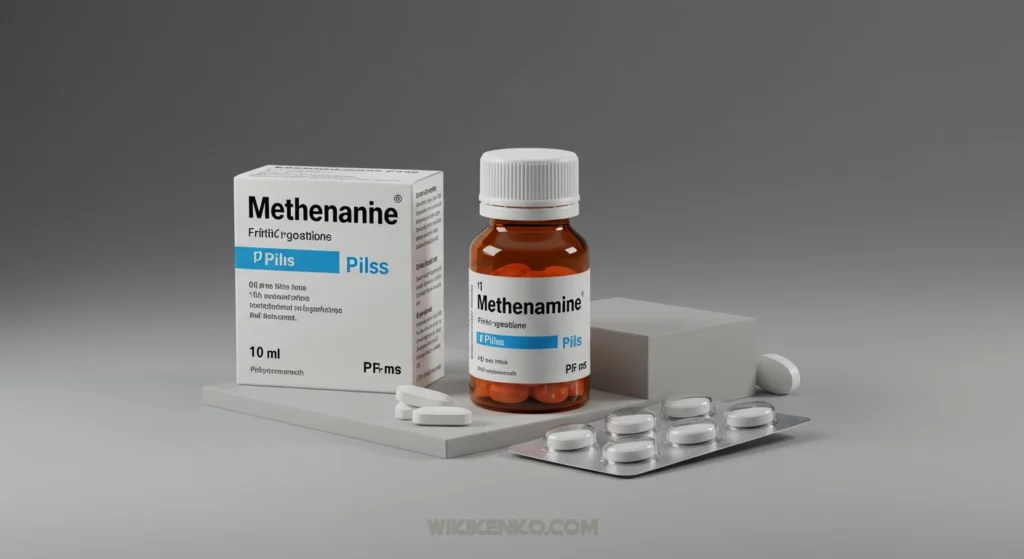
Regulatory Status
Methenamine is approved by multiple regulatory agencies including the U.S. FDA, Health Canada, and European Medicines Agency (EMA) for the prevention of recurrent UTIs. It is available in both prescription and over-the-counter formulations depending on the dose, salt form (e.g., hippurate or mandelate), and the presence of combination agents.
It is not typically used as first-line therapy for acute infections due to the delayed and conditional onset of action but is widely accepted as a long-term prophylactic agent in urology and geriatrics. Its resistance profile and low systemic toxicity make it particularly suitable for use when conventional antibiotics are contraindicated or undesirable.