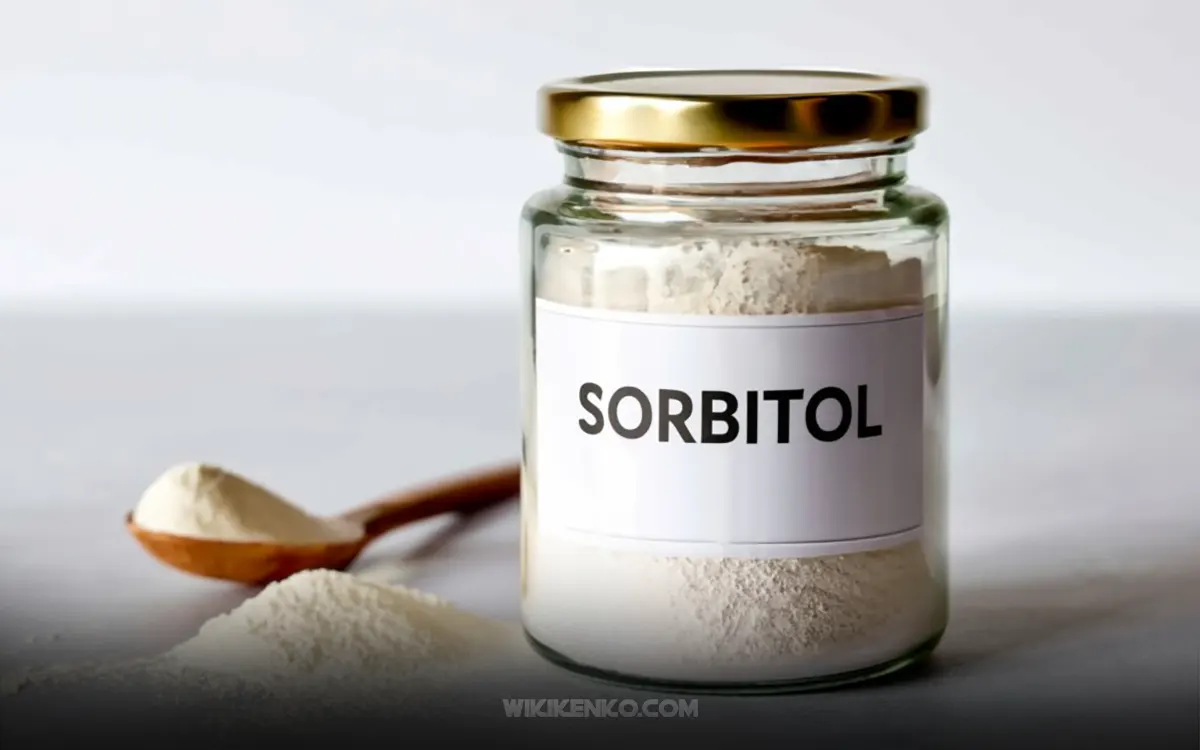
Sorbitol, also known as glucitol, is a naturally occurring carbohydrate found in various fruits and berries, including apples, blackberries, and plums. It is commercially produced and widely utilized as a low-calorie sweetener, providing approximately one-third fewer calories than sugar while being about 60% as sweet. Due to its slow metabolism by the human body, glucitol is frequently used in food products and pharmaceuticals.
Chemical Structure
Sorbitol, also referred to as D-Glucitol, is a polyhydric alcohol with the chemical formula C6H14O6. Key details about its chemical structure include:
- Molecular Weight: 182.172 Da
- Bonds: Sorbitol has a total of 25 bonds, including 11 non-hydrogen bonds and 5 rotatable bonds.
- Functional Groups: It contains 6 hydroxyl groups, 2 primary alcohols, and 4 secondary alcohols.
- IUPAC Name: The IUPAC Standard InChI for sorbitol is InChI=1S/C6H14O6/c7-1-3(9)5(11)6(12)4(10)2-8/h3-12H,1-2H2/t3-,4+,5-,6-/m1/s1.
- IUPAC Standard InChIKey: The IUPAC Standard InChIKey for sorbitol is FBPFZTCFMRRESA-JGWLITMVSA-N.
This molecular structure includes the arrangement of atoms and the chemical bonds that hold these atoms together.

Mechanism of Action
Glucitol acts as a laxative by drawing water into the large intestine, thereby stimulating bowel movements. It is also utilized as a sweetener in various food products due to its pleasant taste.
Pharmacokinetics
Absorption
Glucitol is poorly absorbed when administered orally or rectally, which allows it to exert osmotic effects in the gastrointestinal tract, drawing water into the intestines to promote bowel movements.
Metabolism
In the liver, glucitol is primarily metabolized to fructose through the polyol pathway, where it is converted by the enzyme sorbitol dehydrogenase.
Onset of Action
When used rectally, sorbitol’s onset of action ranges from 0.25 to 1 hour, making it effective for the acute management of constipation.
Elimination
Detailed elimination data for sorbitol are not readily available. However, due to its poor absorption, much of the glucitol administered orally or rectally is likely excreted in the feces.
Distribution
Specific data on the distribution of sorbitol in the body are lacking, but its poor absorption suggests that the majority remains in the gastrointestinal tract following oral or rectal administration.
Therapeutic Uses
Laxative
Glucitol is well-known for its laxative effects, used to relieve constipation by drawing water into the large intestine to stimulate bowel movements. It is typically used short-term until symptoms resolve.
Sweetener in Food Industry
As a sugar substitute, sorbitol is popular in the food industry, offering about one-third fewer calories than sugar while being 60% as sweet. Its slow metabolism makes it suitable for various food products.
Sweetener in Pharmaceutical Industry
In pharmaceuticals, sorbitol sweetens liquid medications and is added to foods marketed to individuals with diabetes because it minimally affects blood sugar levels compared to traditional sweeteners.
Urologic Irrigating Fluid
Glucitol is used as a urologic irrigating fluid in certain surgical procedures to help clear the surgical field.
Delivery of Active Substances in Drugs
In the pharmaceutical industry, glucitol acts as an excipient, improving the characteristics of drugs, such as taste, solubility, and shelf life.
Side Effects
Sorbitol is generally well-tolerated but may cause side effects in some individuals.
| Side Effect | Description |
|---|---|
| Common Side Effects | Abdominal discomfort, dehydration, diarrhea, dry mouth, and excessive bowel activity. |
| Serious Side Effects | Allergic reactions, severe diarrhea, shortness of breath, fluid retention, electrolyte imbalances, high blood sugar, chest pain, and blurred eyesight. |
Drug Interactions
Major Interactions
- Sodium Polystyrene Sulfonate: This combination is usually avoided due to potential serious side effects.
Moderate Interactions
- Deflazacort: The use of glucitol with deflazacort should be under special circumstances.
- Dichlorphenamide: Sorbitol with dichlorphenamide should also be used under special circumstances.
Safety Considerations
Glucitol is generally safe for use, but excessive intake (over 30 g per day) may result in significant symptoms. People with nausea, vomiting, or abdominal pain should avoid glucitol, and pregnant or breastfeeding women should consult their physician before use.
Regulatory Status
Food and Drug Administration (FDA)
Sorbitol is affirmed as Generally Recognized as Safe (GRAS) by the FDA and is used in food at levels not exceeding good manufacturing practices.
Animal Drugs, Feeds, and Related Products
In the context of animal drugs and feeds, glucitol is recognized as safe when used in accordance with good manufacturing or feeding practice.
Personal Care & Cosmetics
In personal care and cosmetics, sorbitol is used as a humectant, skin conditioning agent, and sweetening agent.
Contraindications for Sorbitol
Sorbitol is generally safe, but its use is contraindicated in specific conditions:
- Anuria: Glucitol should not be used in patients with anuria.
- Fructose Intolerance: Patients with suspected or documented fructose intolerance should avoid glucitol.
- Acute Abdominal Pain: Sorbitol is contraindicated in cases of acute abdominal pain, nausea, vomiting, or symptoms suggestive of appendicitis or undiagnosed abdominal pain.
- Severe Cardiopulmonary or Renal Impairment: Caution is advised in patients with severe cardiopulmonary or renal impairment.
- Inability to Metabolize Sorbitol: Patients unable to metabolize glucitol should avoid its use.
- Pregnancy and Lactation: Sorbitol should be used with caution during pregnancy if the benefits outweigh the risks, and it is unknown if glucitol passes into breast milk or could harm a nursing baby.
Conclusion
Sorbitol is a versatile carbohydrate with applications in food, pharmaceuticals, and personal care products. While generally safe and effective, its use should be guided by appropriate medical advice, especially in individuals with specific health conditions. Always consult healthcare professionals for the most accurate and personalized information regarding the use of glucitol.