
Description
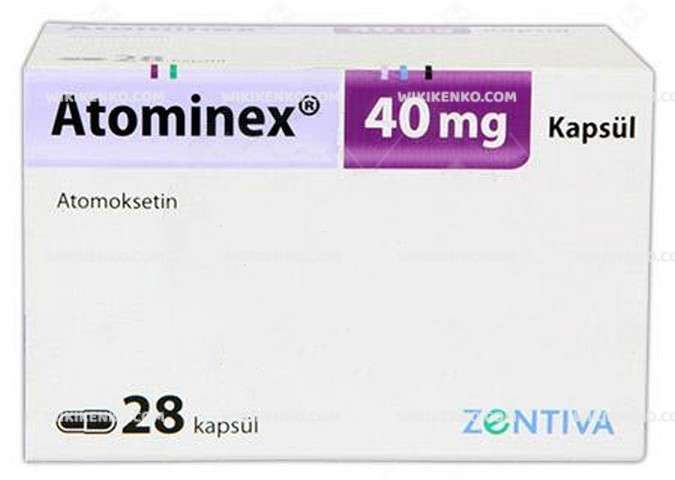
Atomınex Capsule 40 mg contains atomoxetine hydrochloride equivalent to 40 mg of atomoxetine as the single active pharmaceutical ingredient. Excipients (which may vary slightly by manufacturer and national formulation) typically include standard capsule fillers, disintegrants, and colorants comparable to other atomoxetine 40 mg hard capsules.
Atomoxetine is supplied as a hard gelatin capsule intended for oral administration, usually once or twice daily depending on clinical response and tolerability. The 40 mg strength is a commonly used initial or intermediate dose in both adult and pediatric dosing regimens.
Pharmacological Class and Mechanism of Action
Atomoxetine is classified pharmacologically as a selective norepinephrine reuptake inhibitor without direct stimulant properties. It binds with high affinity to the presynaptic norepinephrine transporter (NET), inhibiting reuptake of norepinephrine into presynaptic neurons and thereby increasing extracellular norepinephrine, particularly in the prefrontal cortex.
Although atomoxetine is highly selective for NET, this augmentation of noradrenergic transmission also secondarily increases dopamine levels in the prefrontal cortex, where dopamine reuptake is largely NET‑mediated, without substantially affecting dopaminergic pathways in the striatum and nucleus accumbens that are linked to stimulant abuse liability. The precise mechanism by which these neurochemical changes translate into clinical improvement in ADHD symptoms is not fully elucidated, but convergent imaging and pharmacodynamic data support enhancement of prefrontal cortical networks involved in attention, executive function, and impulse control.
Therapeutic Indications
Primary indication
Atomoxetine 40 mg capsules are indicated for the treatment of ADHD in:
-
Children (≥6 years) and adolescents as part of a comprehensive treatment program including psychological, educational, and social measures.
-
Adults with ADHD, particularly when stimulant medications are contraindicated, not tolerated, or ineffective.
Pharmacological treatment is not indicated for all patients with ADHD, and initiation should follow a thorough assessment of symptom severity, functional impairment, and persistence across settings.
Off‑label and emerging uses (evidence‑based but not universal label claims)
Atomoxetine has been investigated off‑label in various conditions, including treatment‑resistant depression and ADHD with comorbid anxiety or tic disorders, but these uses are not part of the core regulatory indication and should be considered on the basis of specialist evaluation and current local guidelines.
Dosage and Administration (40 mg Capsule in Regimens)
Atomınex 40 mg is a fixed‑strength capsule used within weight‑ and age‑adjusted dosing algorithms.
Adults and adolescents ≥70 kg body weight
-
Initial dose: 40 mg total daily dose for at least 3–7 days.
-
Usual target dose: ~80 mg/day; if response is inadequate, may increase to 100 mg/day.
-
Maximum recommended total daily dose: 100 mg; doses >120 mg single or >150 mg/day have not been systematically evaluated.
Children and adolescents <70 kg body weight
-
Initial dose: approximately 0.5 mg/kg/day; titrated after several days to target ~1.2 mg/kg/day, not exceeding 1.4 mg/kg/day or 100 mg (whichever is less).
Dosing schedule
-
Dosing may be once daily in the morning or divided into twice‑daily dosing (morning and late afternoon/early evening) to improve tolerability or efficacy (e.g., in presence of nausea or somnolence, or partial response).
-
Capsules should be swallowed whole, not opened, due to potential ocular and mucosal irritation from the powder and risk of inaccurate dosing.
Pharmacokinetics
Absorption and distribution
Atomoxetine is well absorbed after oral administration, with peak plasma concentrations typically reached within a few hours. It exhibits extensive distribution and is highly bound to plasma proteins, primarily albumin.
Metabolism
The drug is extensively metabolized in the liver, predominantly via cytochrome P450 2D6 (CYP2D6) to its principal active metabolite, 4‑hydroxyatomoxetine, which is subsequently glucuronidated. Genetic polymorphisms in CYP2D6 result in distinct pharmacokinetic profiles between extensive metabolizers and poor metabolizers, with poor metabolizers exhibiting higher plasma levels, longer half‑lives, and increased risk of adverse reactions.
Concomitant use of strong CYP2D6 inhibitors (e.g., fluoxetine, paroxetine, quinidine) effectively converts extensive metabolizers into a poor‑metabolizer phenotype, requiring dose adjustment and close monitoring.
Elimination
Atomoxetine and its metabolites are excreted mainly via the urine. Elimination half‑life differs markedly between CYP2D6 phenotypes, being several hours in extensive metabolizers and significantly prolonged in poor metabolizers.
Clinical Efficacy in ADHD
Multiple randomized controlled trials and meta‑analyses have demonstrated that atomoxetine is superior to placebo in reducing core ADHD symptoms in children, adolescents, and adults.
Key efficacy findings
-
In a meta‑analysis of 25 double‑blind RCTs (N = 3,928), atomoxetine significantly reduced overall ADHD symptoms versus placebo with a medium effect size (ES ≈ −0.64) and similar benefits on hyperactivity/impulsivity and inattention domains.
-
Long‑term trials show that atomoxetine maintains efficacy and reduces relapse risk over months of continued treatment.
-
Comparative studies versus extended‑release methylphenidate indicate that both treatments are effective, though stimulants may show faster onset and somewhat greater early effect size, while atomoxetine remains a valuable non‑stimulant alternative.
Clinical outcomes
Symptom improvements translate into better academic, occupational, and social functioning in many patients, particularly when pharmacotherapy is integrated within multimodal management including behavioral and educational interventions.
Safety Profile and Adverse Reactions
Atomoxetine has a well‑characterized safety profile, with adverse events generally dose‑related and often emerging early in treatment.
Common adverse effects
Frequent adverse reactions (often ≥1–10% of patients) include:
-
Gastrointestinal: nausea, vomiting, abdominal pain, decreased appetite, dry mouth.
-
Central nervous system: headache, somnolence, insomnia, dizziness.
-
Cardiovascular: increased heart rate, increased blood pressure.
-
Other: weight loss (especially in children), fatigue.
In the meta‑analysis of pediatric RCTs, all‑cause discontinuation was similar to placebo, but discontinuation due to adverse events was higher with atomoxetine (relative risk around 1.89, number needed to harm ≈ 50), reflecting tolerability issues in a minority of patients.
Serious risks and warnings
Important serious or potentially serious safety concerns include:
-
Suicidal ideation: rare cases, especially in children and adolescents early in treatment, necessitating close monitoring of mood and behavior.
-
Severe liver injury: very rare but potentially serious, with reports of hepatic failure; atomoxetine should be discontinued if jaundice or laboratory evidence of liver dysfunction appears.
-
Cardiovascular events: caution in patients with structural cardiac abnormalities, cardiomyopathy, serious arrhythmias, or severe hypertension; baseline and periodic monitoring of blood pressure and pulse is recommended.
-
Psychiatric effects: emergence or worsening of anxiety, agitation, irritability, or psychotic symptoms may occur in susceptible individuals.
Adverse events and discontinuation (illustrative table)
| Safety outcome | Atomoxetine (ATX) vs placebo in pediatric RCTs | Evidence source |
|---|---|---|
| Overall ADHD symptom improvement | ES ≈ −0.64 vs placebo (medium effect) | |
| All‑cause discontinuation | Similar to placebo (p = 1.00) | |
| Discontinuation due to inefficacy | Lower with ATX (RR ≈ 0.51) | |
| Discontinuation due to adverse effects | Higher with ATX (RR ≈ 1.89; NNH ≈ 50) | |
(ES = effect size; RR = relative risk; NNH = number needed to harm.)
Contraindications and Precautions
Atomoxetine 40 mg capsules are contraindicated in:
-
Patients with hypersensitivity to atomoxetine or any excipients.
-
Patients receiving monoamine oxidase inhibitors (MAOIs) or within 14 days of stopping an MAOI, due to risk of serious, potentially life‑threatening reactions.
-
Patients with narrow‑angle glaucoma.
-
Severe cardiovascular or cerebrovascular disorders where increases in blood pressure or heart rate could be hazardous (specific details may vary by national label).
Precautions and special populations
-
Cardiovascular evaluation: Prior to initiating treatment, a careful cardiovascular history and physical examination are recommended, with ongoing monitoring of blood pressure and heart rate.
-
Hepatic impairment: Dose adjustment or avoidance may be required in moderate to severe hepatic insufficiency; periodic liver function assessment should be considered in symptomatic patients.
-
Psychiatric comorbidities: Close monitoring for suicidality, mood changes, and emerging psychosis or mania is warranted, particularly in patients with underlying affective or psychotic disorders.
-
Growth in children: Weight and height should be regularly monitored due to possible mild growth deceleration associated with appetite suppression.
Drug Interactions
Atomoxetine is subject to clinically relevant pharmacokinetic and pharmacodynamic interactions.
CYP2D6‑mediated interactions
-
Strong CYP2D6 inhibitors (e.g., fluoxetine, paroxetine, quinidine) significantly increase atomoxetine plasma concentrations, approximating levels seen in genetic poor metabolizers; lower initial doses and cautious titration are recommended in these settings.
-
Co‑administration with drugs primarily metabolized by CYP2D6 may theoretically compete for metabolism, though clinically significant bidirectional interactions are relatively uncommon compared with the impact of inhibitors on atomoxetine exposure.
Other interactions
-
Hypertensive agents and drugs that increase heart rate may produce additive cardiovascular effects.
-
Because atomoxetine is not a stimulant and does not substantially increase synaptic dopamine in reward pathways, it has minimal interaction with substances of abuse and low abuse potential, although caution in patients with substance use disorders remains prudent.
Non‑stimulant Profile and Place in Therapy
Atomoxetine (including 40 mg capsules such as Atomınex) is a non‑stimulant ADHD medication with low abuse liability, making it particularly suitable for:
-
Patients at risk for stimulant misuse or diversion.
-
Patients with tics, anxiety, or other conditions where stimulant use is problematic.
-
Individuals with poor response or intolerance to first‑line stimulant therapies.
Evidence suggests that while stimulants often yield larger and more rapid symptom reduction, atomoxetine provides clinically meaningful, sustained benefits in many patients and represents an important component of individualized ADHD pharmacotherapy.
Summary Table: Key Characteristics of Atomoxetine 40 mg Capsules
| Domain | Key characteristics for a 40 mg capsule (e.g., Atomınex) | Evidence source |
|---|---|---|
| Active ingredient | Atomoxetine hydrochloride equivalent to 40 mg atomoxetine | |
| Pharmacological class | Selective norepinephrine reuptake inhibitor (non‑stimulant) | |
| Primary indication | ADHD in children ≥6 years, adolescents, and adults | |
| Adult starting dose | 40 mg/day, increased to ~80 mg/day after several days | |
| Max adult dose | Generally 100 mg/day total | |
| Major metabolism pathway | Hepatic CYP2D6 to active 4‑hydroxyatomoxetine | |
| Common adverse effects | Nausea, decreased appetite, insomnia/somnolence, headache, ↑HR/↑BP | |
| Serious warnings | Suicidal ideation (youth), severe liver injury, cardiovascular events | |
| Abuse potential | Low, non‑stimulant, minimal dopaminergic effect in reward pathways | |
| Overall efficacy vs placebo | Medium effect size on ADHD symptoms, maintained long‑term with continued use |
Clinical and Regulatory Considerations
Although Atomınex Capsule 40 mg appears to be a branded generic of atomoxetine 40 mg, specific national characteristics (e.g., Turkish registration status, excipient profile, packaging, and local prescribing information) should always be confirmed in the official Summary of Product Characteristics (SmPC) or national drug database for the country of marketing. Regardless of brand, atomoxetine is a prescription‑only medicine; treatment initiation and dose adjustments should be undertaken by clinicians experienced in the diagnosis and management of ADHD, with ongoing monitoring for efficacy, tolerability, cardiovascular parameters, mental health, and, in children, growth.













Reviews
There are no reviews yet.