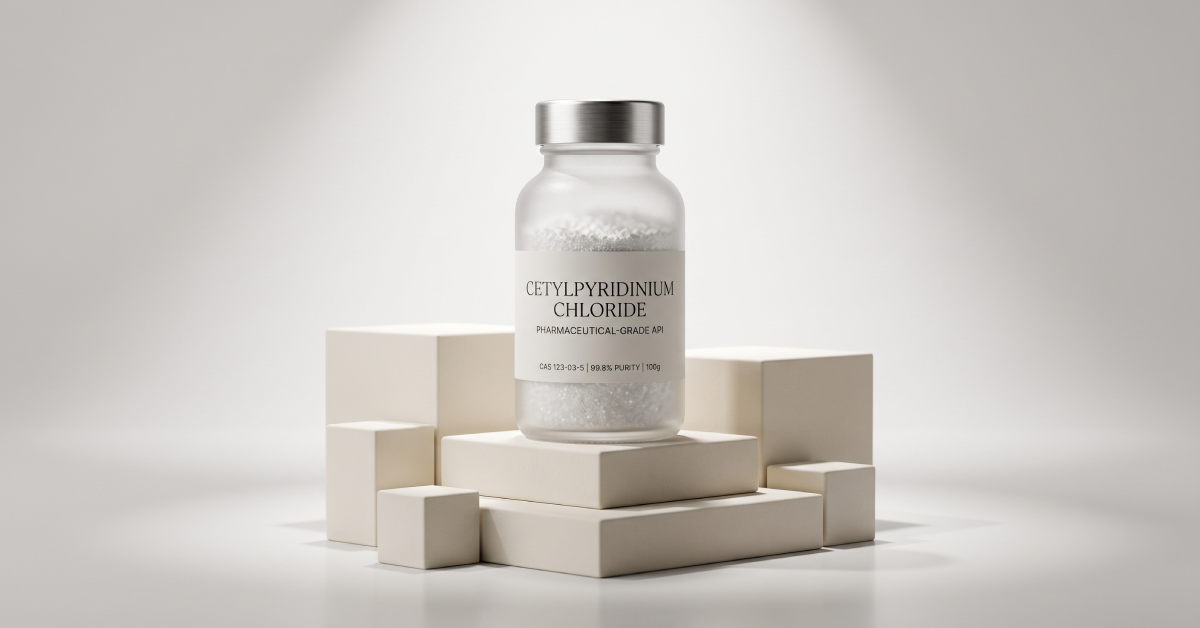
Cetylpyridinium chloride (CPC) is a quaternary ammonium antiseptic and cationic surfactant used mainly in oral-care products. It is found in mouthwashes, toothpastes, lozenges, throat sprays, breath sprays, and some nasal products. In dentistry, CPC is used to help reduce bacteria associated with bad breath, dental plaque, and gingival inflammation.
CPC is not intended to replace toothbrushing, flossing, professional dental cleaning, or treatment of advanced periodontal disease. Evidence suggests that CPC mouth rinses provide a small additional benefit in reducing plaque and gingival inflammation when used with mechanical oral hygiene.
Chemical Structure
The chemical name of “cetylpyridinium chloride” is 1-hexadecylpyridin-1-ium chloride. It contains a positively charged cetylpyridinium cation and a negatively charged chloride anion. The long cetyl hydrocarbon chain gives the molecule surfactant properties, while the positively charged pyridinium group contributes to antimicrobial activity.
Anhydrous CPC has the molecular formula , a molecular weight of approximately 339.99 g/mol, and CAS number 123-03-5. Cetylpyridinium chloride monohydrate has CAS number 6004-24-6 and a molecular weight of approximately 358.01 g/mol.
CPC is generally supplied as a white or almost white crystalline solid. Its amphiphilic structure allows it to interact with both water and lipid-containing biological membranes.
Cetylpyridinium Chloride-Based Medicines: Top Eight
Representative CPC-containing products include:
- Colgate Total Advanced Gum Health Mouthwash.
- Cepacol Antibacterial Mouthwash.
- Parodontax Active Gum Health Mouthwash.
- Crest Pro-Health mouthwash products.
- Scope mouthwash products containing CPC.
- CPC antiseptic oral rinses.
- CPC-containing antibacterial lozenges.
- CPC toothpaste and breath-freshening products.
Brand formulations differ by country and may contain additional active ingredients such as fluoride, zinc salts, menthol, or other antiseptics. Product concentration and approved uses must therefore be checked on the individual label. Health Canada’s oral-health monograph lists Cetylpyridinium chloride concentrations of approximately 0.05–0.075% for mouthwash products intended to help kill germs associated with bad breath and help prevent or reduce plaque and gingivitis.
Mechanism of Action
Cetylpyridinium chloride is attracted to negatively charged components on bacterial cell surfaces. After binding to the cell envelope, it can disrupt membrane integrity, increase membrane permeability, interfere with cellular respiration, and cause leakage of intracellular contents. These effects inhibit bacterial metabolism and may lead to microbial death.
Its activity is directed primarily toward oral bacteria, although susceptibility varies among organisms. CPC may also reduce volatile sulfur compounds produced by bacteria, helping control oral malodor.
Because CPC is a surface antiseptic, its effect is mainly local. It reduces microbial load temporarily but does not permanently eliminate the oral bacteria that naturally recolonize the mouth.
Pharmacokinetics
CPC is intended for topical use in the mouth and is not designed to produce systemic exposure. During normal use, most of the rinse is expectorated. Small quantities may bind to oral tissues or be swallowed accidentally, but clinically significant systemic absorption is not expected from properly used mouthwash.
The compound may adsorb to teeth, mucosa, and dental plaque because of its cationic nature. This local retention supports its antiseptic effect after rinsing. Cetylpyridinium chloride is not generally discussed in terms of conventional plasma pharmacokinetic parameters because approved oral-rinse products are not intended to be swallowed.
Accidental ingestion of more than the amount used for rinsing can cause toxicity. Product labels advise contacting a physician or poison-control center if a substantial quantity is swallowed.
Therapeutic Uses
| Therapeutic use | Role of cetylpyridinium chloride |
|---|---|
| Bad-breath control | Reduces odor-producing oral microorganisms |
| Plaque reduction | Helps reduce plaque accumulation as an adjunct to brushing |
| Gingivitis support | Helps reduce gingival inflammation and bleeding associated with plaque |
| Antiseptic mouth rinsing | Provides local antimicrobial activity in the oral cavity |
| Minor mouth and throat infections | Included in selected lozenges or throat products |
| Breath-freshening products | Provides antiseptic activity in sprays and rinses |
| Pre-procedural oral rinsing | Used in some dental settings according to professional protocols |
| Combination oral-care therapy | Combined with fluoride, zinc, or other ingredients for broader oral hygiene |
Cetylpyridinium chloride mouthwashes are supportive products, not substitutes for dental treatment. Persistent bleeding, painful or swollen gums, pus, loose teeth, or increasing spaces between teeth may indicate periodontitis and require professional assessment.
Side Effects
Most people tolerate Cetylpyridinium chloride products well when they are used as directed. Possible local effects include temporary burning, irritation, altered taste, dry mouth, tongue discomfort, or oral sensitivity. Some products may cause temporary staining of the tooth surface. This staining is generally not harmful and may be reduced by adequate brushing or professional cleaning.
Allergic reactions are uncommon but may include swelling, rash, severe irritation, or breathing difficulty. Such symptoms require immediate medical attention.
If mouth soreness, irritation, pain, or redness persists or worsens, the product should be discontinued and medical or dental advice obtained. Some labels advise seeking dental advice if gingivitis, bleeding, or redness continues for more than two weeks.
Drug Interactions
Cetylpyridinium chloride has few established systemic drug interactions because it is used locally and is ordinarily spit out. However, it may interact physically with other oral-care ingredients or be affected by the formulation’s surfactants, detergents, or anionic compounds.
Patients using several mouth rinses should follow professional advice rather than combining products routinely. A CPC rinse should not be swallowed or used to administer oral medicines. Individuals with oral mucosal disease, severe dry mouth, or a history of sensitivity to mouthwash ingredients should consult a dentist or pharmacist before prolonged use.
Safety Considerations
CPC mouthwash should be used only according to the product label. A common adult instruction is to rinse with 20 mL for 30 seconds twice daily and then spit it out, but dosing varies among products. It should never be swallowed.
Many labels advise against use in children under six years of age because young children may be unable to rinse and spit reliably. Products intended for older children or adolescents should be used only at the labeled age and dose. The rinse should be kept out of children’s reach.
CPC should not be used as the sole treatment for severe toothache, dental abscess, oral ulcers, fever, facial swelling, or advanced gum disease. Pregnant or breastfeeding patients should seek professional advice for prolonged or therapeutic use, although brief topical use is generally associated with limited systemic exposure.
Regulatory Status
CPC is marketed in numerous countries as an active ingredient in oral antiseptic, antiplaque, antigingivitis, breath-freshening, and throat-care products. In the United States, many CPC mouthwashes are marketed under FDA oral-care monograph frameworks or as labeled OTC products, depending on the product and claims. DailyMed contains current labels for CPC antiseptic and antigingivitis rinses.
Health Canada recognizes CPC in specified mouthwash concentrations and dosage forms, including mouthwash and solution products containing approximately 0.05–0.075%. Regulatory status depends on concentration, formulation, claims, age restrictions, and national legislation.
Conclusion
Cetylpyridinium chloride is a locally acting quaternary ammonium antiseptic widely used in mouthwash, toothpaste, lozenges, and breath-care products. By disrupting microbial membranes, it helps reduce oral bacteria, plaque, gingival inflammation, and bad breath. It is generally well tolerated, but it should not be swallowed or used as a substitute for brushing, flossing, dental examination, or treatment of periodontal disease.