

Description
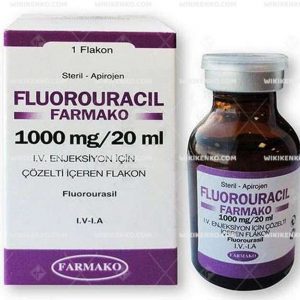
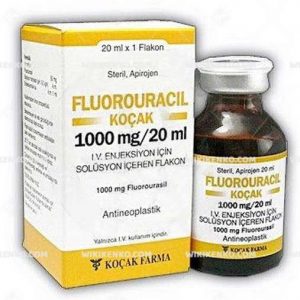
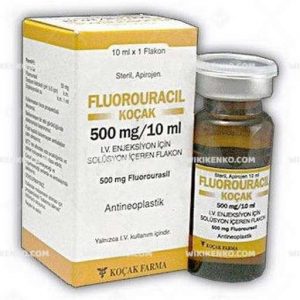
Fluorouracil, commonly referred to as 5-FU, is a potent chemotherapeutic agent widely utilized in the treatment of various cancers. Its applications extend across colorectal, breast, stomach, and pancreatic cancers, and it is often employed in both curative and palliative care settings. This discussion will focus on Fluorouracil – Farmako I.V. Injection, a formulation containing 500 mg of 5-Fluorouracil in a 10 ml vial, administered intravenously.
As one of the most researched and utilized antineoplastic agents, Fluorouracil plays a crucial role in oncology, owing to its mechanism of action, broad indications, and established efficacy.
Composition and Characteristics
Each vial of Fluorouracil – Farmako I.V. Injection contains 500 mg of the active ingredient 5-Fluorouracil. Additionally, it includes 80.2 mg of sodium per vial, amounting to approximately 4% of the World Health Organization’s recommended maximum daily intake for adults. The solution appears clear and either colorless or slightly yellow, free from particulate matter, which is essential for safe intravenous administration. This composition ensures that the drug meets the required standards for purity and stability in clinical use.
Mechanism of Action
Fluorouracil exerts its anticancer effects by acting as an antimetabolite. It mimics uracil, a natural pyrimidine necessary for DNA and RNA synthesis, and inhibits the enzyme thymidylate synthase. This enzyme is critical for the production of thymidine monophosphate, a nucleotide essential for DNA replication. By disrupting this pathway, Fluorouracil hampers the proliferation of rapidly dividing cancer cells, leading to their death. Its mechanism is particularly effective against cancers with high mitotic rates, which rely heavily on nucleotide synthesis for growth.
Indications
Fluorouracil is indicated for the treatment of a wide range of cancers. It is commonly used in colorectal cancer, especially in advanced or metastatic stages, either as a standalone therapy or in combination with other chemotherapeutic agents. In breast cancer, it is frequently incorporated into adjuvant therapy regimens post-surgery to reduce recurrence risk.
For stomach and pancreatic cancers, particularly in advanced cases, Fluorouracil provides symptom relief and tumor growth control. Additionally, it is effective in treating other malignancies, including esophageal, head and neck cancers, cervical cancer, and renal cell carcinoma. Its versatility and efficacy make it a vital option in oncology.
Administration Guidelines
The dosage and administration of Fluorouracil depend on the specific cancer being treated and the patient’s clinical condition. Initial treatment often involves an intravenous dose of 12 mg/kg body weight daily for three consecutive days. Subsequent doses are adjusted based on the patient’s tolerance and response, with maintenance therapy involving lower doses administered periodically. Fluorouracil can be administered through direct intravenous injection or as a continuous infusion using a pump for prolonged therapy.
Its administration requires expertise in chemotherapy to ensure precision and minimize adverse effects. Regular monitoring of blood cell counts and liver function is mandatory, as these parameters are critical in detecting and managing potential toxicities.
Side Effects
Fluorouracil’s side effect profile is extensive, reflecting its powerful mechanism of action. Common gastrointestinal side effects include diarrhea, nausea, and vomiting, which can range from mild to severe. Oral complications, such as mucositis or stomatitis, manifest as painful mouth sores that interfere with eating and swallowing. Dermatological reactions, particularly Hand-Foot Syndrome, are characterized by redness, swelling, or pain in the palms and soles, sometimes progressing to blistering or peeling. Bone marrow suppression is another significant concern, as it reduces the production of blood cells, leading to fatigue, increased infection risk, and anemia.
Cardiovascular symptoms, including chest pain and arrhythmias, have also been reported, alongside neurological issues like confusion and balance problems. While most side effects are manageable, severe reactions such as allergic responses, excessive bleeding, or vision changes require immediate medical attention.
The following table summarizes the key aspects of Fluorouracil’s usage:
| Aspect | Details |
|---|---|
| Common Side Effects | Diarrhea, nausea, vomiting, mucositis, Hand-Foot Syndrome, bone marrow suppression. |
| Severe Side Effects | Allergic reactions, vision changes, excessive bleeding, severe diarrhea, or gastrointestinal toxicity. |
| Administration | Intravenous injection or infusion, overseen by trained healthcare professionals. |
| Dosage | 12 mg/kg body weight initially, adjusted based on response and tolerability. |
| Monitoring | Blood cell counts, liver function, and patient-reported symptoms. |
Storage and Handling
Proper storage and handling of Fluorouracil are critical to preserving its efficacy and ensuring safety. The drug should be stored at room temperature, ideally between 20°C and 25°C, and protected from light and moisture. It must not be refrigerated or frozen, as such conditions can compromise its stability. Once prepared for infusion, the solution should be used immediately, though it may be stored under controlled conditions at 2°C to 8°C for up to 24 hours if necessary.
Healthcare professionals must wear gloves when handling Fluorouracil to prevent skin contact, and any spills should be managed using appropriate protocols to avoid contamination. Disposal of unused or expired medication should follow established pharmaceutical waste guidelines to minimize environmental risks.
Drug Interactions
Fluorouracil is known to interact with numerous medications, necessitating a comprehensive review of the patient’s current drug regimen before initiating treatment. Interactions with anticoagulants, such as warfarin, can increase bleeding risk, requiring close monitoring of coagulation parameters. Concurrent use with cardiotoxic agents may elevate the risk of cardiac side effects.
Additionally, immunosuppressants may exacerbate immune suppression, heightening infection susceptibility. While there are no significant food interactions, patients should disclose their complete medical history and all concurrent medications, including over-the-counter drugs and supplements, to their healthcare provider to mitigate interaction risks.
Precautions Before Administration
Before administering Fluorouracil, several precautions must be observed to ensure patient safety. A thorough assessment of the patient’s medical history is essential to identify conditions like liver or kidney impairment, cardiac issues, or previous bone marrow suppression, which could increase toxicity risks. Allergies to fluorouracil or related compounds should also be ruled out.
Fluorouracil is contraindicated in severely debilitated patients or those with active infections. During treatment, frequent blood tests are necessary to monitor for hematological toxicities, and any signs of gastrointestinal distress or severe side effects should prompt immediate discontinuation.
Comparison with Other Chemotherapy Drugs
When compared to other chemotherapy drugs, Fluorouracil demonstrates distinct advantages and limitations. For instance, its oral prodrug, capecitabine, offers similar efficacy with improved convenience, as it can be taken at home, reducing the need for hospital visits. However, intravenous Fluorouracil remains a preferred option in certain settings due to its rapid action and ability to be precisely controlled during administration.
Side effects such as myelosuppression and gastrointestinal symptoms are common to both drugs, but capecitabine generally exhibits a better-tolerated profile in terms of patient-reported outcomes.
| Aspect | Fluorouracil | Capecitabine (Prodrug) |
|---|---|---|
| Administration | Intravenous or topical | Oral |
| Convenience | Requires hospital visits | Can be taken at home |
| Side Effects | Severe gastrointestinal and skin reactions | Fewer severe side effects |
| Efficacy | High efficacy in combination regimens | Similar efficacy, preferred for convenience |
Conclusion
In conclusion, Fluorouracil continues to be a cornerstone of cancer therapy, offering significant benefits in the treatment of multiple malignancies. Its mechanism of action, wide range of indications, and established efficacy make it an indispensable agent in oncology. However, its administration requires careful monitoring to manage potential side effects and interactions effectively. Advances such as the development of oral alternatives like capecitabine provide patients with additional options, enhancing convenience and adherence to treatment.
With proper use and vigilant care, Fluorouracil remains a powerful weapon in the fight against cancer, contributing to improved outcomes and quality of life for countless patients.














Reviews
There are no reviews yet.