
Description
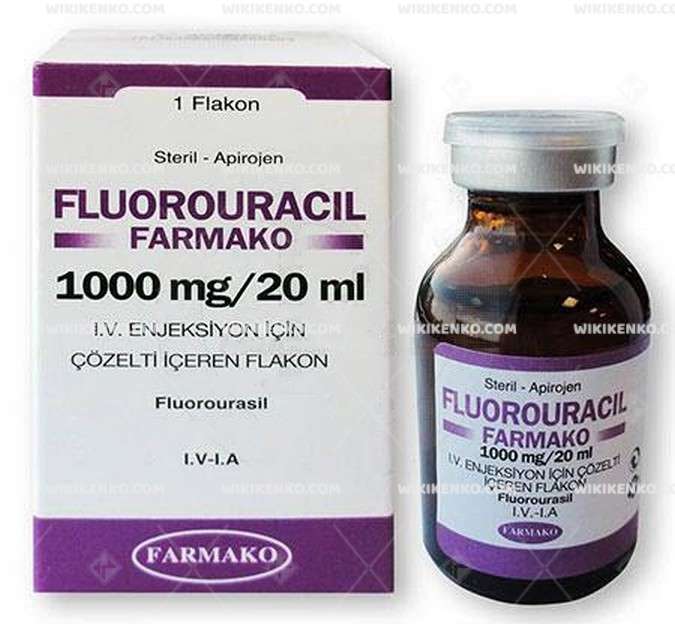
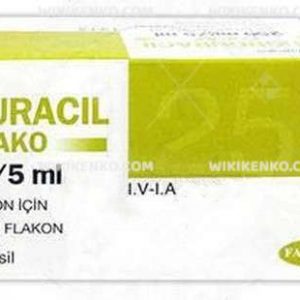
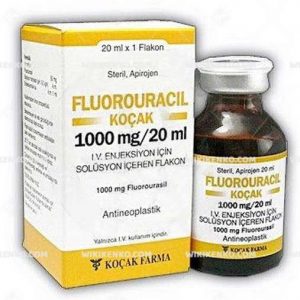
Fluorouracil, commonly referred to as 5-fluorouracil (5-FU), is a widely used chemotherapy drug belonging to the class of antimetabolites. Its primary role is in the treatment of various cancers, making it a cornerstone of oncological care. The specific formulation “Fluorouracil – Farmako I.V. Injection İçin Solution İçeren Vial 1000 mg” offers 20 mg of 5-fluorouracil per 20 mL vial, suitable for intravenous administration. This formulation allows precise dosing, ensuring its effectiveness in combating cancer while minimizing risks.
Mechanism of Action
Fluorouracil operates by disrupting DNA synthesis, a critical process for cell replication. It achieves this by mimicking the structure of uracil, a component of RNA, thereby inhibiting thymidylate synthase, an enzyme essential for the synthesis of thymidine. Thymidine is a nucleotide required for DNA replication and repair. By blocking this pathway, fluorouracil selectively targets rapidly dividing cancer cells, halting their proliferation and leading to cell death. Its efficacy in treating malignancies is grounded in this targeted mechanism, making it particularly effective against tumors with high mitotic activity.
Indications
Fluorouracil has a broad spectrum of applications in oncology. It is approved for the treatment of several cancers, often as part of combination regimens to enhance its efficacy. These include:
Colorectal Cancer: Frequently utilized in advanced stages and in adjuvant therapy to prevent recurrence.
Breast Cancer: Commonly combined with other agents such as cyclophosphamide and methotrexate post-surgery.
Gastric and Pancreatic Cancers: Applied in palliative care to improve symptoms and extend survival.
Head and Neck Cancers: Demonstrates effectiveness in specific malignancies within this region.
Other Cancers: Includes cervical and renal cell carcinoma, where it serves as a therapeutic option in selected cases.
Administration
Fluorouracil is administered primarily through intravenous routes, allowing for systemic delivery. Depending on the clinical scenario, it can be given as a bolus injection or through continuous infusion. Both methods have specific applications based on the cancer type and treatment objectives.
- Initial Dosing: Typically involves 15 mg/kg body weight per infusion, with a maximum limit of 1 g per day to reduce toxicity.
- Maintenance Therapy: Doses are adjusted based on patient tolerance, often administered weekly or bi-weekly.
- Other Routes: In select cases, fluorouracil may be delivered intra-arterially to target specific tumor sites or topically for localized treatment of skin cancers.
Side Effects
While fluorouracil is a potent anticancer agent, it is associated with a range of side effects, some of which require close monitoring and prompt management.
| Category | Specific Side Effects |
|---|---|
| Hematological | Myelosuppression leading to anemia, thrombocytopenia, and leukopenia. |
| Gastrointestinal | Nausea, vomiting, diarrhea, and mucositis. |
| Dermatological | Skin irritation, dryness, and temporary hair loss. |
| Neurological | Confusion, dizziness, or in rare cases, cerebellar toxicity. |
| Cardiovascular | Rare but severe effects such as chest pain, arrhythmias, or ischemic events. |
The occurrence of these side effects necessitates regular monitoring, particularly for hematological and gastrointestinal toxicities, which can significantly impact patient quality of life.
Pharmacokinetics
Fluorouracil is characterized by a short half-life of approximately 10 to 20 minutes, necessitating careful dose scheduling to maintain therapeutic levels. It is primarily metabolized in the liver by dihydropyrimidine dehydrogenase (DPD), an enzyme critical for its breakdown. A significant portion of the drug is excreted via urine within hours of administration. Genetic variations affecting DPD activity can influence drug metabolism, leading to enhanced toxicity or reduced efficacy, making pharmacogenetic testing a valuable tool in certain cases.
Contraindications and Precautions
Before initiating treatment, a thorough evaluation of the patient’s medical history and current health status is essential. Key contraindications and precautions include:
- Pre-existing Conditions: Patients with liver or kidney dysfunction require dose adjustments and close monitoring.
- Previous Treatments: Those who have undergone extensive radiation therapy may be at higher risk for toxicity.
- Pregnancy and Lactation: Fluorouracil is contraindicated during pregnancy due to its teratogenic effects. Breastfeeding should also be avoided.
- Monitoring: Regular blood tests to assess liver function and blood cell counts are mandatory to detect early signs of toxicity.
Applications Beyond Common Indications
Fluorouracil’s role extends beyond its approved uses. Clinical trials continue to explore its efficacy in other malignancies and as part of novel combination therapies. Its ability to inhibit cancer growth makes it a candidate for experimental treatment protocols aimed at expanding its therapeutic potential. For example, studies are investigating its use in cancers with resistance to other treatments, potentially broadening its clinical utility.
Combination Therapies and Drug Interactions
Fluorouracil is often combined with other chemotherapeutic agents to enhance its effectiveness. These combinations leverage synergistic mechanisms to improve patient outcomes. Common regimens include:
With Folinic Acid: Enhances the inhibition of thymidylate synthase, increasing DNA synthesis blockade.
With Cisplatin: Used in stomach cancer to maximize cytotoxic effects.
With Irinotecan: Forms part of the FOLFIRI regimen for colorectal cancer.
Interactions with other medications, such as anticoagulants like warfarin, necessitate careful monitoring due to the increased risk of bleeding. Similarly, enzyme-inducing drugs like phenytoin can alter fluorouracil’s metabolism, potentially reducing its efficacy.
Special Considerations
Certain populations require tailored approaches when using fluorouracil:
- Geriatric Patients: May have reduced tolerance, necessitating lower starting doses.
- Patients with Genetic Variants: Testing for DPD deficiency is recommended to prevent severe toxicity.
- Sun Sensitivity: Patients should use sunscreen and protective clothing to mitigate photosensitivity caused by the drug.
Future Directions and Research
Ongoing research aims to optimize fluorouracil’s use in oncology. Advances in drug delivery systems, such as nanoparticle carriers, seek to improve its targeting and reduce systemic toxicity. Additionally, combining fluorouracil with immunotherapy agents represents a promising frontier, potentially revolutionizing its role in cancer treatment.
Conclusion
Fluorouracil remains a vital component of cancer therapy, offering significant benefits across a range of malignancies. Its targeted mechanism, broad applicability, and potential for use in combination therapies underscore its importance in modern oncology. However, careful patient selection, rigorous monitoring, and proactive management of side effects are essential to maximize its therapeutic benefits while minimizing risks. As research continues to unveil new applications and improve delivery methods, fluorouracil’s legacy as a cornerstone of cancer treatment is set to endure.












Reviews
There are no reviews yet.