
Description
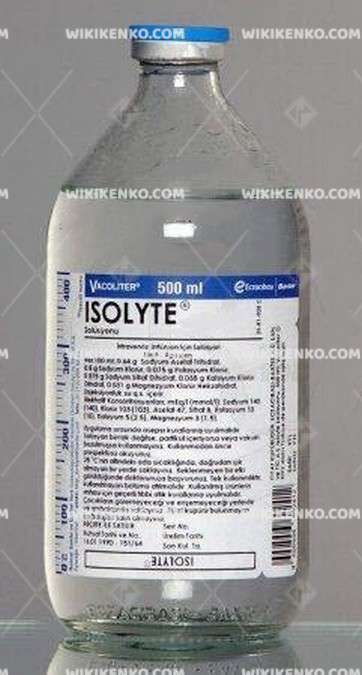
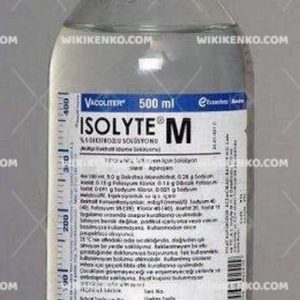
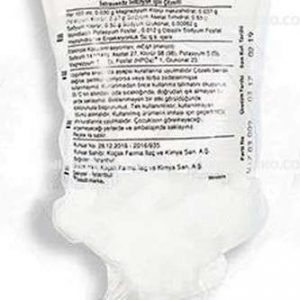
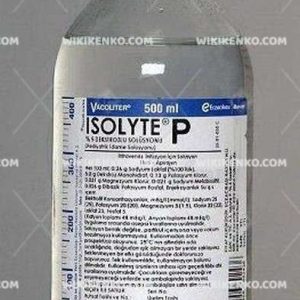
Isolyte M in 5% Dextrose is a multiple electrolyte maintenance solution used in intravenous fluid therapy. Known in Turkish as “Isolyte – M %5 Dekstrozlu (Multipl Elektrolit Idame Sol. Medifleks),” this solution provides essential electrolytes, hydration, and calories to patients requiring intravenous maintenance therapy. This sterile, nonpyrogenic solution is specifically formulated to help maintain electrolyte balance while supplying glucose for energy needs.
Composition and Properties
Isolyte M in 5% Dextrose contains a carefully balanced formulation of electrolytes in combination with dextrose. Each 100 mL of solution contains:
-
Hydrous Dextrose USP 5 g
-
Sodium Acetate Trihydrate USP 0.28 g
-
Potassium Chloride USP 0.15 g
-
Dibasic Potassium Phosphate USP 0.13 g
-
Sodium Chloride USP 0.091 g
Electrolyte Concentration
The solution provides the following electrolytes in specific concentrations:
-
Sodium: 36 mEq/liter
-
Potassium: 35 mEq/liter
-
Chloride: 49 mEq/liter
-
Acetate: 20 mEq/liter
-
Phosphate: 15 mEq/liter (7.5 mmole P/liter)
Physical Properties
Isolyte M in 5% Dextrose has the following physical characteristics:
-
pH: 5.0 (range: 4.0-6.0)
-
Calculated Osmolarity: 390 mOsmol/liter (hypertonic)
-
Caloric content: 170 calories per liter
Mechanism of Action
The primary function of Isolyte M is to provide a balanced electrolyte solution that closely mimics the body’s maintenance fluid requirements. The inclusion of 5% dextrose offers an energy source, providing approximately 170 calories per liter. The relatively high potassium content (35 mEq/L) makes it particularly suitable for situations requiring potassium replacement. The acetate component acts as an alkalinizing agent through metabolic conversion to bicarbonate, helping to correct mild acidosis without the precipitation risks associated with bicarbonate solutions.
Indications and Clinical Uses
Isolyte M in 5% Dextrose is clinically indicated for the following purposes:
-
Maintenance fluid therapy for hospitalized patients
-
Correction of hypokalemia caused by:
-
Diarrhea
-
Bilious vomiting
-
Prolonged infusion of potassium-free IV fluids
-
Ulcerative colitis
-
-
Source of electrolytes, calories, and water for hydration
-
Mild alkalinizing agent
-
Provision of basic fluid and electrolyte needs when oral intake is restricted or inadequate
Contraindications
Isolyte M in 5% Dextrose is contraindicated in the following conditions:
Renal Conditions
-
Renal failure
-
Anuria or severe oliguria (absence or severely reduced urine output)
Electrolyte Disturbances
-
Hyponatremia (low sodium levels)
-
Hyperkalemia (high potassium levels)
-
Alkalosis (elevated blood pH)
Specific Conditions
-
Adrenocortical insufficiency
-
Crush syndrome
-
Severe hemolysis
-
Hypoparathyroidism
-
Heart block
-
Severe burns (patients need fluids with higher sodium content)
-
Hypersensitivity to sulfites or corn-derived products
Warnings and Precautions
Fluid and Electrolyte Balance
Frequent laboratory determinations and clinical evaluations are essential to monitor changes in blood glucose and electrolyte concentrations during prolonged parenteral therapy. Isolyte M contains high potassium content, so careful monitoring is necessary in patients with compromised renal function.
Administration Considerations
When administering a hypertonic solution peripherally, it should be slowly infused through a small bore needle placed well within the lumen of a large vein to minimize venous irritation. Careful avoidance of infiltration is essential. Fluid overload secondary to maintenance intravenous fluid mismanagement is associated with significant adverse patient outcomes and should be closely monitored.
Special Patient Populations
Extra caution is required when administering Isolyte M to patients with:
-
Heart disease (especially with concurrent kidney disease)
-
Hypervolemia (increased blood volume)
-
Heart failure or risk of heart failure
-
Hypertension
-
Edema (fluid retention in limbs or lungs)
-
Diabetes or carbohydrate intolerance
-
Pre-existing electrolyte imbalances
Dosage and Administration
Standard Dosing Guidelines
Dosage should be determined by a physician and tailored to each patient’s specific needs based on age, weight, clinical condition, and laboratory determinations. General guidelines include:
-
Up to 40 mEq of potassium per liter daily is typically sufficient to replace normal losses in adults
-
Infusion rates should not exceed 10 mEq of potassium per hour or 120 mEq per day
-
Fluid administration should be based on calculated maintenance or replacement fluid requirements
Administration Procedures
Isolyte M in 5% Dextrose is for intravenous use only. Before administration:
-
Inspect the solution visually for particulate matter and discoloration
-
Use aseptic techniques when introducing additives
-
Mix thoroughly if additives are used
-
Do not store solutions with additives
-
Consider potential incompatibilities when calcium or magnesium ions are present along with phosphate ions
Side Effects
The following side effects have been reported with the use of Isolyte M and similar potassium-containing solutions:
Common Side Effects
-
Mild irritation around the IV needle
-
Nausea
-
Vomiting
-
Abdominal pain
-
Diarrhea
-
Upset stomach
Serious Adverse Reactions
-
Fluid overload
-
Electrolyte imbalances
-
Hyperglycemia (with rapid infusion of dextrose solutions)
-
Swelling in hands or feet
Storage and Handling
Isolyte M in 5% Dextrose should be stored according to manufacturer guidelines. The containers are designed to be latex-free, PVC-free, and DEHP-free. Proper storage and handling include:
-
Visual inspection of the solution prior to administration
-
Checking for container integrity
-
Ensuring no leaks are present
-
Discarding unused portions
-
Avoiding exposure to extreme temperatures
Comprehensive Information Table
| Parameter | Details |
|---|---|
| Generic Name | Dextrose monohydrate, sodium acetate, potassium chloride, potassium phosphate dibasic, sodium chloride |
| Brand Name | Isolyte M in 5% Dextrose / Isolyte – M %5 Dekstrozlu |
| Composition | Dextrose 5g/100mL, Sodium Acetate 0.28g/100mL, Potassium Chloride 0.15g/100mL, Dibasic Potassium Phosphate 0.13g/100mL, Sodium Chloride 0.091g/100mL |
| Electrolyte Content | Na⁺: 36 mEq/L, K⁺: 35 mEq/L, Cl⁻: 49 mEq/L, Acetate: 20 mEq/L, Phosphate: 15 mEq/L |
| Indication | Maintenance fluid therapy, correction of hypokalemia, source of electrolytes and calories, mild alkalinizing agent |
| Contraindications | Renal failure, anuria, hyponatremia, hyperkalemia, adrenocortical insufficiency, crush syndrome, severe hemolysis, alkalosis |
| Typical Dosage | Individualized based on patient needs; typically ≤40 mEq potassium/liter/day, not exceeding 10 mEq/hour |
| Administration Route | Intravenous only |
| Common Side Effects | Injection site irritation, nausea, vomiting, abdominal pain, diarrhea |
| Special Precautions | Monitor closely in patients with heart disease, hypervolemia, hypertension, diabetes; electrolyte monitoring required |
| Storage Conditions | Store at room temperature; protect from extreme temperatures; inspect before use |
Conclusion
Isolyte M in 5% Dextrose represents an important maintenance fluid solution in clinical practice, particularly valuable for patients requiring electrolyte supplementation with emphasis on potassium replenishment. Its balanced electrolyte profile, combined with dextrose for caloric support, makes it suitable for a range of fluid maintenance scenarios. However, due to its specific electrolyte composition, particularly the high potassium content, careful consideration of patient selection and close monitoring during administration are essential to ensure safe and effective therapy. As with all intravenous solutions, administration should be directed by a qualified healthcare professional with regular monitoring of the patient’s clinical status and laboratory parameters.












Reviews
There are no reviews yet.