
Description
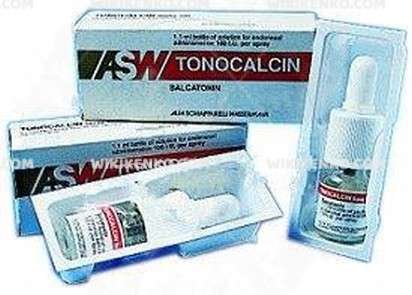
Tonocalcin Nazal Sprey 200 IU/Püskürtme is a prescription medication containing synthetic salmon calcitonin (salkatonin) as its active ingredient. This nasal spray is primarily used in the treatment of postmenopausal osteoporosis, Paget’s disease, and conditions involving elevated calcium levels. The medication works by inhibiting bone resorption, thereby helping to maintain bone density and strength. Before using this medication, it is essential to understand its composition, indications, proper administration techniques, potential side effects, and precautions to ensure safe and effective use.
Composition and Formulation
Tonocalcin Nazal Sprey contains synthetic salmon calcitonin (salkatonin) as its primary active ingredient. Each milliliter of the solution contains 1000 IU of salkatonin, and each spray delivers a precisely measured dose of 200 IU. The formulation includes several excipients that help maintain the stability and efficacy of the active ingredient.
Active and Inactive Ingredients
The complete composition of Tonocalcin Nazal Sprey 200 IU includes:
-
Active ingredient: Salkatonin (synthetic salmon calcitonin) 2000 IU per ml
-
Inactive ingredients:
-
Sodium chloride 8.7 mg
-
Hydrochloric acid (HCl) 0.004-0.008 mg (equivalent to 1 N hydrochloric acid 0.11-0.22 mg)
-
Citric acid monohydrate 0.58 mg
-
Sodium citrate dihydrate 0.58 mg
-
Purified water to make up the solution
-
The medication is available in two sizes: a 2.1 ml solution bottle containing at least 14 doses of 200 IU spray, and a 3.5 ml solution bottle containing at least 28 doses of 200 IU spray. The formulation is carefully balanced to ensure optimal absorption of the medication through the nasal mucosa while minimizing irritation.
Mechanism of Action
Calcitonin is a naturally occurring hormone produced by the thyroid gland that plays a crucial role in regulating calcium metabolism in the body. Synthetic salmon calcitonin, the active ingredient in Tonocalcin Nazal Sprey, mimics the action of human calcitonin but with greater potency and longer duration of action.
Pharmacological Properties
The primary pharmacological action of calcitonin is to inhibit osteoclast activity in bones. Osteoclasts are cells responsible for breaking down bone tissue (bone resorption), which releases calcium into the bloodstream. By inhibiting osteoclast activity, calcitonin reduces bone resorption and helps maintain bone density and strength. This mechanism is particularly important in conditions like osteoporosis, where increased bone resorption leads to reduced bone density and increased fracture risk.
Additionally, calcitonin possesses analgesic (pain-relieving) properties, making it particularly valuable in managing pain associated with acute vertebral fractures in osteoporosis, Paget’s disease, and bone malignancies. This dual action – preserving bone density while providing pain relief – distinguishes calcitonin from other anti-osteoporotic therapies.
Indications for Use
Tonocalcin Nazal Sprey 200 IU is primarily indicated for several conditions related to bone metabolism and calcium regulation. Understanding the specific conditions for which this medication is prescribed helps patients and healthcare providers make informed decisions about treatment options.
Postmenopausal Osteoporosis
The primary indication for Tonocalcin Nazal Sprey is the treatment of postmenopausal osteoporosis in women more than five years after menopause. It helps preserve or increase bone mineral density and reduces the risk of vertebral fractures. However, it is generally recommended as an alternative when other treatments are not suitable due to contraindications, intolerance, or patient preference.
Paget’s Disease
Paget’s disease (osteitis deformans) is a chronic disorder that typically results in enlarged and deformed bones. Tonocalcin helps manage this condition by reducing the abnormally high rate of bone turnover characteristic of Paget’s disease.
Hypercalcemia
The medication is effective in the treatment of hypercalcemia (elevated blood calcium levels) resulting from various causes, including malignant tumors, hyperparathyroidism, and vitamin D toxicity. In hypercalcemia, calcitonin helps lower calcium levels by decreasing bone resorption and increasing calcium excretion by the kidneys.
Other Indications
Additional uses may include treatment of osteolysis, osteopenia, and pain relief in cases of acute vertebral fractures or Sudeck’s disease (complex regional pain syndrome). The analgesic effect of calcitonin provides particular benefit for patients experiencing bone pain.
Dosage and Administration
The proper administration of Tonocalcin Nazal Sprey 200 IU is crucial for achieving optimal therapeutic outcomes while minimizing side effects. The medication is designed for intranasal use only and should never be administered by any other route.
Recommended Dosage
For postmenopausal osteoporosis, the standard recommended dose is one spray (200 IU) per day, administered intranasally. The spray should be administered in alternating nostrils each day – for example, left nostril on day one, right nostril on day two, and so on. This alternation helps minimize potential nasal irritation.
For Paget’s disease and hypercalcemia, dosage may vary based on the severity of the condition and individual patient factors. In such cases, the healthcare provider will determine the appropriate dosing regimen.
Priming the Spray Pump
Before using Tonocalcin Nazal Sprey for the first time, the pump must be properly primed:
-
Allow the unopened spray to reach room temperature if it has been refrigerated.
-
Remove the protective cap from the nasal applicator.
-
Hold the bottle upright and depress the two white side arms of the pump toward the bottle repeatedly until a full spray is released.
-
The pump is now primed and ready for use.
Note that the pump should only be primed before the first use, not before each daily dose.
Administration Technique
To properly administer the spray:
-
Gently blow your nose to clear the nasal passages.
-
Hold the bottle upright with your head in an upright position.
-
Insert the nasal applicator into one nostril.
-
Press the pump firmly toward the bottle to release one spray (200 IU).
-
You do not need to inhale while spraying.
-
Use the alternate nostril the next day.
It is important to continue taking the medication as prescribed, even if you don’t immediately notice an improvement in your condition. Treatment for osteoporosis typically continues for an extended period.
Side Effects
Like all medications, Tonocalcin Nazal Sprey may cause side effects, although not everyone experiences them. Understanding potential side effects helps patients recognize and report them to their healthcare providers promptly.
Common Side Effects
The most common side effects associated with Tonocalcin Nazal Sprey are related to nasal administration and include:
-
Nasal symptoms: rhinitis (runny nose), nasal congestion, sneezing, nasal crusting, dryness, discomfort, or irritation
-
Nosebleeds (epistaxis)
-
Sinusitis or sinus pain
-
Headache
-
Taste disturbances
Other frequently reported side effects include:
-
Flushing or feeling of warmth
-
Dizziness
-
Nausea or upset stomach
-
Diarrhea
-
Abdominal pain
-
Back or joint pain
-
Musculoskeletal pain
-
Pharyngitis (sore throat)
-
Fatigue
These side effects are generally mild and often resolve as the body adjusts to the medication.
Serious Side Effects
Though rare, some side effects may be serious and require immediate medical attention:
-
Severe allergic reactions, including:
-
Difficulty breathing or wheezing
-
Swelling of the face, lips, tongue, or throat
-
Severe skin rash or hives
-
Dizziness or fainting
-
-
Severe nasal ulceration or persistent bleeding
-
Hypocalcemia (low calcium levels) symptoms:
-
Muscle spasms or cramps
-
Numbness or tingling in the extremities
-
Irregular heartbeat
-
If any serious side effects occur, discontinue the medication and seek immediate medical attention.
Contraindications
Tonocalcin Nazal Sprey is contraindicated in certain conditions to prevent adverse outcomes. It should not be used in:
-
Patients with known hypersensitivity to calcitonin salmon or any components of the formulation
-
Pregnant women or women who are planning to become pregnant
-
Nursing mothers
The safety and efficacy of calcitonin salmon in pediatric patients have not been established, so it is generally not recommended for use in children unless specifically prescribed by a healthcare provider.
Special Warnings and Precautions
Certain patient populations require special consideration when using Tonocalcin Nazal Sprey. Understanding these precautions helps optimize safety and efficacy.
Nasal Conditions
Patients with chronic rhinitis, nasal polyps, or a history of nasal surgery or trauma may experience altered absorption of the medication. In such cases, the healthcare provider should monitor the effectiveness of the treatment closely.
Monitoring Requirements
Regular monitoring is recommended for patients on long-term therapy:
-
Periodic examination of the nasal mucosa is advised to detect potential irritation or ulceration.
-
Calcium and vitamin D supplementation may be necessary to prevent hypocalcemia, especially in postmenopausal women.
-
Periodic reevaluation of the need for continued therapy is recommended due to a potential association between calcitonin use and malignancy risk with long-term use.
Elderly Patients
Patients aged 65 and older may be at higher risk for certain side effects. Dose adjustment may be necessary based on individual response and tolerability.
Drug Interactions
Although significant drug interactions with calcitonin salmon are limited, it’s important to be aware of potential interactions that may affect treatment outcomes.
Known Interactions
Limited data suggests that calcitonin salmon may interact with:
-
Lithium: Calcitonin may reduce lithium concentrations, potentially decreasing its effectiveness.
-
Magnesium-containing antacids: Calcitonin may decrease renal clearance of magnesium, potentially leading to increased magnesium levels.
As with any medication, patients should inform their healthcare providers about all medications, supplements, and herbal products they are taking before starting Tonocalcin Nazal Sprey.
Storage and Handling
Proper storage and handling of Tonocalcin Nazal Sprey ensure its stability, efficacy, and safe use throughout its shelf life.
Storage Requirements
-
Unopened bottles: Store in a refrigerator between 2°C and 8°C (36°F and 46°F). Do not freeze.
-
Opened bottles: Store at room temperature between 20°C and 25°C (68°F and 77°F) in an upright position with the cap on to keep the nozzle clean.
-
Once opened, the spray should be used within 35 days. Discard any unused medication after this period.
Disposal
Dispose of unused or expired medication properly. Do not flush it down the toilet. Use a medicine take-back program or consult your pharmacist for proper disposal methods.
Keep Tonocalcin Nazal Sprey and all medications out of reach of children.
Tonocalcin Nazal Sprey 200 IU/Püskürtme Key Information
| Parameter | Information |
|---|---|
| Active Ingredient | Salkatonin (synthetic salmon calcitonin) |
| Strength | 200 IU per spray |
| Dosage Form | Nasal spray |
| Package Sizes | 2.1 ml (14 doses) or 3.5 ml (28 doses) |
| Standard Dosage | 1 spray (200 IU) daily, alternating nostrils |
| Main Indications | Postmenopausal osteoporosis, Paget’s disease, hypercalcemia |
| Prescription Status | Prescription only (Beyaz Reçete) |
| Common Side Effects | Nasal irritation, rhinitis, headache, nosebleeds, taste disturbances |
| Serious Side Effects | Severe allergic reactions, nasal ulceration, hypocalcemia |
| Contraindications | Hypersensitivity to calcitonin, pregnancy, breastfeeding |
| Storage (Unopened) | Refrigerate (2-8°C/36-46°F) |
| Storage (Opened) | Room temperature (20-25°C/68-77°F) |
| Use-By Period After Opening | 35 days |
| Manufacturer | YENİ İLSAN İLAÇ SAN. VE TİC. A.Ş. |
Conclusion
Tonocalcin Nazal Sprey 200 IU/Püskürtme represents an important therapeutic option for the management of postmenopausal osteoporosis, Paget’s disease, and hypercalcemia. The medication’s dual action of inhibiting bone resorption while providing analgesic effects offers unique benefits, particularly for patients experiencing bone pain alongside their primary condition.
Proper administration, adherence to prescribed dosing, and awareness of potential side effects are crucial for maximizing therapeutic outcomes while minimizing adverse effects. Regular follow-up with healthcare providers ensures appropriate monitoring and adjustment of treatment as needed.
As with any medication, Tonocalcin Nazal Sprey should be used only under the supervision of a qualified healthcare provider, who can provide personalized guidance based on individual health status, medical history, and specific therapeutic goals. Patients should never hesitate to discuss concerns or questions about their medication with their healthcare team to ensure safe and effective treatment.












Reviews
There are no reviews yet.