
Description
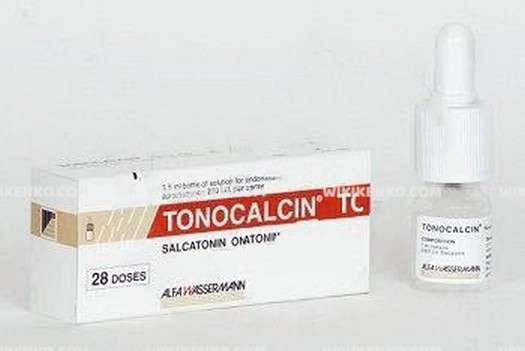
Tonocalcin Nazal Spray is a pharmaceutical preparation containing synthetic salmon calcitonin, primarily marketed in Turkey and nearby regions. This medication, available in a 100 IU per spray formulation, represents an important therapeutic option for several bone-related conditions. The following article provides detailed information about this medication’s composition, mechanism of action, therapeutic applications, and proper usage guidelines.
Composition and Formulation
Tonocalcin Nazal Spray 100 IU/Puskurtme contains salkatonin (synthetic salmon calcitonin) as its active pharmaceutical ingredient. Each milliliter of the solution contains 1000 IU of salkatonin, with a single spray dose (0.1 ml) delivering 100 IU of the hormone. The formulation includes several excipients that maintain stability and bioavailability: sodium chloride (8.7 mg), hydrochloric acid (for pH adjustment to 4.0), citric acid monohydrate (0.58 mg), sodium citrate dihydrate (0.58 mg), and purified water. A standard 3.5 ml bottle provides at least 28 doses, with each actuation delivering a precise amount of medication through the specialized nasal pump mechanism.
Pharmacological Classification
Salmon calcitonin belongs to the calcitonin-like protein family and functions as a 32-amino acid peptide hormone. It is classified as a calcitonin receptor agonist that primarily acts on bone metabolism by inhibiting osteoclast activity. Within pharmacological classification systems, calcitonin products typically fall under ATC code H05BA01, placing them within the category of parathyroid hormone antagonists.
Mechanism of Action
Calcitonin represents a critical hormone in calcium homeostasis within the human body. When administered as Tonocalcin Nazal Spray, synthetic salmon calcitonin works through several physiological mechanisms to influence bone metabolism and calcium levels.
The primary mechanism involves direct inhibition of osteoclast activity in bones. Osteoclasts are specialized cells responsible for bone resorption, and by suppressing their function, calcitonin effectively reduces bone breakdown and calcium release into the bloodstream. This helps maintain bone density and strength, particularly important in conditions like osteoporosis where excessive bone resorption occurs.
Additionally, calcitonin exerts a minor effect on kidney function by inhibiting renal tubular cell reabsorption of calcium and phosphate, allowing these minerals to be excreted in urine rather than reabsorbed into the bloodstream. This dual action on both bone metabolism and renal handling of calcium makes calcitonin an effective therapeutic agent for managing conditions characterized by abnormal calcium metabolism or accelerated bone loss.
Therapeutic Indications
Tonocalcin Nazal Spray 100 IU is indicated for several clinical conditions related to bone metabolism and calcium homeostasis:
Postmenopausal Osteoporosis
The medication is primarily prescribed for the treatment of osteoporosis in postmenopausal women, particularly those who are more than five years past menopause and for whom alternative treatments may not be suitable. By inhibiting bone resorption, calcitonin helps maintain bone mineral density and reduces fracture risk, though it’s important to note that fracture reduction efficacy has not been conclusively demonstrated in all studies.
Paget’s Disease of Bone
Tonocalcin is effective in managing Paget’s disease (osteitis deformans), a chronic condition characterized by abnormal bone remodeling that leads to enlarged, weakened bones. The medication helps normalize bone turnover rates and may reduce associated pain and complications.
Hypercalcemia
In cases of hypercalcemia, particularly those associated with malignancy, Tonocalcin can be used to reduce elevated blood calcium levels. Its calcium-lowering effects make it valuable in managing this potentially serious metabolic disturbance.
Prevention of Acute Bone Loss
The medication is indicated for prevention of acute bone loss due to sudden immobilization, such as in patients with recent osteoporotic fractures. By reducing the accelerated bone resorption that typically occurs during periods of immobility, calcitonin helps preserve bone mass.
Dosage and Administration
Proper administration of Tonocalcin Nazal Spray is essential for achieving optimal therapeutic outcomes while minimizing potential side effects.
The standard recommended dosage for Tonocalcin 100 IU Nazal Spray is one spray (delivering 100 IU) per day, administered intranasally. For better tolerability and effectiveness, it is advised to alternate nostrils daily. Some clinicians recommend administration at bedtime to minimize potential nausea or vomiting that may occur, especially when initiating therapy.
Before first use, the pump must be properly primed. The process involves holding the bottle upright and depressing the pump mechanism repeatedly until a full spray is emitted. Once primed, the nozzle should be carefully inserted into the nostril with the patient’s head in an upright position, followed by firm depression of the pump toward the bottle.
For specific conditions, dosage regimens may vary:
-
For postmenopausal osteoporosis: 100 IU nasal spray daily, typically administered along with calcium and vitamin D supplements
-
For Paget’s disease: 100 IU nasal spray daily, with potential adjustments based on clinical response
-
For hypercalcemia: Dosage may be adjusted based on severity and clinical response
The treatment duration should be limited to the shortest period necessary, using the minimum effective dose, particularly in light of concerns regarding long-term safety.
Side Effects and Adverse Reactions
As with all medications, Tonocalcin Nazal Spray may cause various side effects, ranging from mild local reactions to more serious systemic effects.
Common Side Effects
The most frequently reported adverse reactions include nasal symptoms such as irritation, rhinitis, sinusitis, epistaxis (nosebleeds), nasal congestion, and dryness. Other common side effects include headache, dizziness, flushing of face or hands, nausea, vomiting, altered taste sensation, and back or joint pain.
Serious Side Effects
More serious but less common adverse reactions may include severe allergic reactions (manifesting as breathing problems, swelling of face/lips/tongue/throat, skin rash, or hives), hypocalcemia (low blood calcium levels), and nasal ulceration. There are also concerns regarding a potential association between long-term calcitonin use and increased malignancy risk, which has prompted recommendations to limit treatment duration.
Contraindications and Precautions
Tonocalcin Nazal Spray is contraindicated in patients with known hypersensitivity to calcitonin salmon or any of the excipients in the formulation. Previous allergic reactions to calcitonin products, including anaphylactic shock, anaphylaxis, bronchospasm, or swelling of the tongue or throat, represent absolute contraindications.
Special caution should be exercised when using this medication in:
-
Pregnant women (Pregnancy Category C)
-
Nursing mothers
-
Patients with renal impairment
-
Patients with a history of allergic reactions
-
Individuals with nasal conditions that might affect drug absorption
Given the concerns about potential malignancy risk with prolonged use, the need for continued therapy should be re-evaluated periodically. Current recommendations suggest using calcitonin only when alternative treatments are not suitable and limiting treatment to the shortest duration necessary.
Drug Interactions
Tonocalcin Nazal Spray has relatively few documented significant drug interactions. The most notable interactions include:
-
Magnesium-containing products: Calcitonin salmon may increase magnesium levels by decreasing renal clearance. This effect is generally considered minor but may be clinically relevant in certain patients.
-
Other medications affecting calcium metabolism: Concurrent use with other drugs that influence calcium levels may require careful monitoring and potential dosage adjustments.
Most sources indicate limited known drug interactions with salmon calcitonin nasal spray, but as with any medication, patients should inform their healthcare providers about all medications, supplements, and herbal products they are taking.
Special Populations
Pregnancy and Lactation
Tonocalcin Nazal Spray is classified as Pregnancy Category C, indicating that risk cannot be ruled out due to insufficient controlled studies in humans. The medication should be used during pregnancy only if the potential benefit justifies the potential risk to the fetus. Limited data exist regarding the use of calcitonin during breastfeeding, and caution is advised for nursing mothers.
Elderly Patients
No specific dosage adjustment is required for elderly patients; however, given the higher prevalence of renal impairment in this population, careful monitoring may be warranted.
Pediatric Use
Safety and efficacy of Tonocalcin Nazal Spray have not been established in pediatric populations, and its use is generally not recommended in children.
Storage and Handling
Proper storage and handling of Tonocalcin Nazal Spray are important to maintain its efficacy and safety:
-
Unopened bottles should be stored in a refrigerator (2-8°C/36-46°F)
-
Before first use, the bottle should be allowed to reach room temperature
-
After opening, the medication can typically be stored at room temperature for the duration of use
-
The bottle should be protected from light and excessive heat
-
Keep out of reach of children
-
Do not use beyond the expiration date printed on the package
Summary Table
| Parameter | Details |
|---|---|
| Active Ingredient | Salkatonin (Synthetic Salmon Calcitonin) 1000 IU/ml |
| Dosage Form | Nasal Spray |
| Strength | 100 IU per spray (0.1 ml) |
| Package Size | 3.5 ml bottle (28 doses minimum) |
| Therapeutic Category | Calcitonin receptor agonist |
| Primary Indications | Postmenopausal osteoporosis, Paget’s disease, Hypercalcemia, Prevention of acute bone loss |
| Standard Dosage | 1 spray (100 IU) daily, alternating nostrils |
| Common Side Effects | Nasal irritation, rhinitis, epistaxis, headache, nausea, flushing, back pain |
| Serious Side Effects | Severe allergic reactions, hypocalcemia, nasal ulceration, potential malignancy risk with long-term use |
| Contraindications | Hypersensitivity to calcitonin salmon or excipients |
| Pregnancy Category | C |
| Storage Conditions | Refrigerate unopened product; room temperature after opening |
| Prescription Status | Requires prescription (Beyaz Reçete) |
Conclusion
Tonocalcin Nazal Spray 100 IU/Puskurtme represents an important therapeutic option for patients with osteoporosis, Paget’s disease, and other conditions affecting bone metabolism. Its active ingredient, synthetic salmon calcitonin, works effectively to reduce bone resorption and help maintain bone mineral density. While generally well-tolerated, the medication should be used judiciously, with careful consideration of potential risks and benefits, particularly for long-term therapy.
Healthcare providers should carefully evaluate each patient’s individual needs, considering alternative treatment options when appropriate, and limiting duration of therapy to the shortest period necessary to achieve clinical objectives. Patients should receive comprehensive education regarding proper administration technique, potential side effects, and when to seek medical attention.
As with all medications, Tonocalcin should only be used under proper medical supervision, with regular follow-up to assess ongoing efficacy and safety. Patients should never self-medicate with this preparation and should always consult their healthcare provider regarding any concerns or adverse effects.











Reviews
There are no reviews yet.