
Description
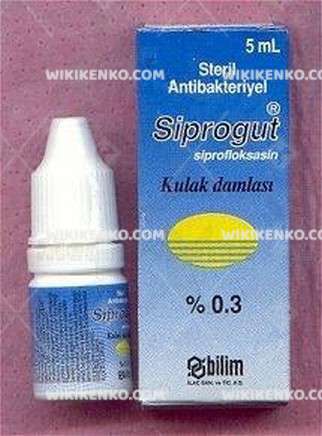
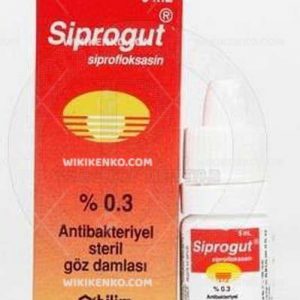
Siprogut Sterile Eye Drop is an ophthalmic antibiotic preparation primarily containing ciprofloxacin hydrochloride monohydrate, designed for the treatment of various bacterial eye infections. This medication belongs to the fluoroquinolone class of antibiotics and is formulated specifically for ocular administration. This article provides a thorough overview of Siprogut, including its composition, therapeutic applications, dosage recommendations, side effects, and proper usage guidelines.
Composition and Formulation
Siprogut Sterile Eye Drop contains 3.5 mg of ciprofloxacin hydrochloride monohydrate per milliliter, which is equivalent to 3 mg of ciprofloxacin base. The formulation is a sterile, clear to slightly yellow ophthalmic solution with a pH of approximately 4.5 and an osmolality near 300 mOsm. In addition to the active ingredient, Siprogut contains several excipients that enhance its stability and effectiveness.
These include benzalkonium chloride (0.006%) as a preservative, mannitol (E421), disodium EDTA, sodium acetate (susuz), acetic acid, hydrochloric acid, sodium hydroxide, and water for injection. This carefully balanced formulation ensures optimal efficacy and safety for ophthalmic use.
Mechanism of Action
Ciprofloxacin, the active component in Siprogut, exerts its bactericidal effects by inhibiting bacterial DNA gyrase and topoisomerase IV, enzymes essential for bacterial DNA replication and transcription. These enzymes are critical for bacterial cell division and survival. By disrupting these processes, ciprofloxacin effectively prevents bacterial multiplication and ultimately leads to bacterial cell death. The medication demonstrates efficacy against a broad spectrum of both gram-positive and gram-negative bacteria commonly associated with ocular infections, making it a versatile option for various eye conditions of bacterial origin.
Therapeutic Indications
Corneal Ulcers
Siprogut is highly effective in treating corneal ulcers caused by susceptible bacteria. Corneal ulcers represent a serious ocular condition characterized by an open sore on the cornea’s surface, often resulting from bacterial infection. If left untreated, these ulcers can lead to vision impairment or loss. Siprogut’s potent antimicrobial properties help eliminate the causative bacteria, allowing the corneal tissue to heal properly.
Bacterial Conjunctivitis
Another primary indication for Siprogut is bacterial conjunctivitis, commonly known as “pink eye”. This condition involves inflammation of the conjunctiva (the thin, transparent layer covering the white part of the eye and inner eyelid) due to bacterial infection. Symptoms typically include redness, itching, discharge, and discomfort. Siprogut effectively targets and eliminates the bacteria responsible for the infection, providing relief and preventing complications.
Other Superficial Ocular Infections
Siprogut is also indicated for treating various other superficial ocular infections caused by susceptible gram-positive and gram-negative bacteria. These may include conditions affecting the cornea, conjunctiva, and surrounding eye structures. The broad-spectrum activity of ciprofloxacin makes Siprogut suitable for addressing a wide range of bacterial pathogens that can affect the external eye structures.
Dosage and Administration
Dosage for Corneal Ulcers
The recommended dosing regimen for corneal ulcers follows a specific schedule to ensure optimal therapeutic effect:
-
First day: Apply two drops into the affected eye every 15 minutes for the first 6 hours, then every 30 minutes for the remainder of the day
-
Second day: Apply two drops into the affected eye hourly
-
Third through fourteenth days: Apply two drops into the affected eye every 4 hours
Treatment may be extended beyond 14 days if corneal re-epithelialization has not occurred, based on the physician’s assessment.
Dosage for Superficial Eye Infections
For treating superficial infections such as bacterial conjunctivitis, the recommended dosage is generally one or two drops into the affected eye(s) four times daily. In cases of severe infections, the initial dosing may be increased to one or two drops every two hours while awake for the first two days, followed by one or two drops every four hours while awake for the next five days. The typical treatment duration ranges from 7 to 14 days, with a maximum recommended treatment period of 21 days.
Proper Administration Technique
To ensure maximum effectiveness and minimize the risk of contamination, Siprogut should be administered using the following technique:
-
Wash hands thoroughly before application
-
Tilt the head back slightly and gently pull down the lower eyelid to create a small pocket
-
Hold the bottle above the eye without touching any surface with the dropper tip
-
Instill the prescribed number of drops into the conjunctival sac
-
Close the eye gently for 1-2 minutes to allow proper distribution of the medication
-
Press lightly on the inner corner of the eye (nasolacrimal duct) to prevent systemic absorption
-
Replace the cap immediately after use
-
Wait at least 5 minutes before applying any other eye medication
Precautions and Contraindications
Siprogut should not be used in patients with known hypersensitivity to ciprofloxacin or other quinolone antibiotics. Prolonged use may result in overgrowth of non-susceptible organisms, including fungi, warranting discontinuation and appropriate alternative therapy. If a skin rash or hypersensitivity reaction occurs, the medication should be discontinued immediately. Patients should be advised to avoid wearing contact lenses during treatment with Siprogut, as the preservative benzalkonium chloride may be absorbed by soft contact lenses and potentially cause eye irritation.
Special caution should be exercised when prescribing Siprogut to pregnant women or nursing mothers, as sufficient data regarding safety in these populations is limited. If improvement is not observed after one week of treatment or if the condition worsens, patients should seek medical reassessment. The medication is generally considered safe for use in children above one year of age, though specific data for younger pediatric patients is limited.
Side Effects
While generally well-tolerated, Siprogut may cause some adverse effects in certain individuals. Common side effects include mild eye irritation, temporary burning or stinging upon instillation, blurred vision, eye redness, and crystalline precipitates. Some patients may experience eyelid crusting, a sensation of having something in the eye, or a bitter taste in the mouth following administration. These reactions are typically transient and resolve without intervention.
Less commonly, patients may develop more severe reactions such as allergic responses, eye pain, photophobia, or eyelid edema. Systemic side effects are rare due to the minimal absorption of topically applied ciprofloxacin, but may occur in sensitive individuals or with excessive use. Prolonged use of Siprogut may increase the risk of developing resistant bacteria or secondary infections.
Drug Interactions
Due to its topical application and minimal systemic absorption, Siprogut has limited potential for drug interactions. However, concurrent use with other topical ophthalmic medications should be separated by at least 5 minutes to prevent dilution or interaction of the active ingredients. Patients should inform their healthcare provider about all medications they are taking, including over-the-counter products and supplements, to avoid potential interactions.
Storage and Handling
Siprogut Sterile Eye Drop should be stored at temperatures below 25°C (77°F) and protected from light. The bottle should be kept tightly closed when not in use. Once opened, the solution should be used within 15 days to ensure sterility and efficacy. It’s advisable to note the date of first opening on the bottle or packaging. The medication should be kept out of reach of children and should not be used after the expiration date printed on the package.
| Parameter | Details |
|---|---|
| Active Ingredient | Ciprofloxacin hydrochloride monohydrate (3.5 mg/mL, equivalent to 3 mg/mL ciprofloxacin base) |
| Formulation | Sterile eye drop solution with pH ~4.5 and osmolality ~300 mOsm |
| Primary Uses | Corneal ulcers, bacterial conjunctivitis, superficial ocular infections |
| Dosage for Corneal Ulcers | – Day 1: 2 drops every 15 min for first 6 hrs, then every 30 min – Day 2: 2 drops hourly – Days 3-14: 2 drops every 4 hours |
| Dosage for Conjunctivitis | 1-2 drops 4 times daily (severe: every 2 hrs for first 2 days) |
| Treatment Duration | Typically 7-14 days, maximum 21 days |
| Common Side Effects | Eye irritation, burning sensation, blurred vision, eye redness, bitter taste |
| Rare Side Effects | Allergic reactions, eye pain, photophobia, eyelid edema |
| Contraindications | Hypersensitivity to ciprofloxacin or quinolones |
| Storage | Below 25°C, protected from light, use within 15 days after opening |
| Special Precautions | – Avoid contact lens wear during treatment – Do not touch dropper tip to any surface – Wait 5 minutes between different eye medications – Press on tear duct after application to reduce systemic absorption |
| Pregnancy/Lactation | Limited data available, use only if benefits outweigh risks |
| Pediatric Use | Generally safe for children above 1 year of age |
Conclusion
Siprogut Sterile Eye Drop represents an effective ophthalmic antibiotic option for treating various bacterial eye infections. Its active ingredient, ciprofloxacin, provides broad-spectrum coverage against many common ocular pathogens. When used according to prescribed guidelines, Siprogut can effectively resolve bacterial infections while minimizing the risk of adverse effects or complications. However, like all medications, it should be used under appropriate medical supervision, and patients should follow their healthcare provider’s instructions carefully to ensure optimal therapeutic outcomes.











Reviews
There are no reviews yet.