
Description
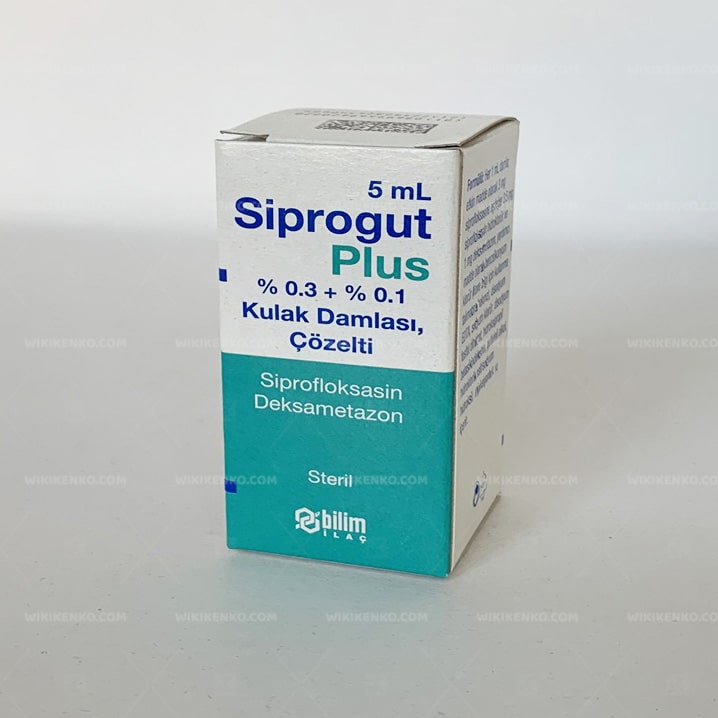
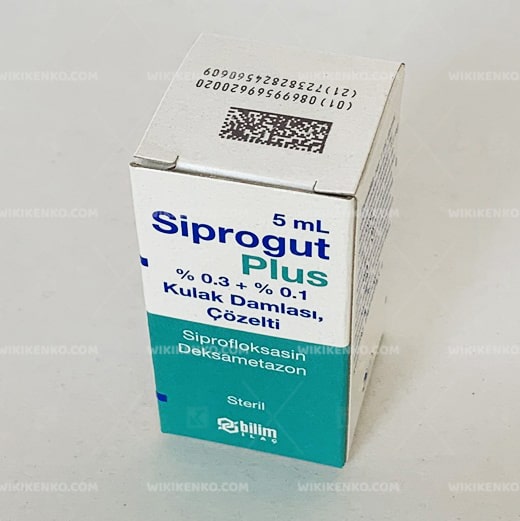
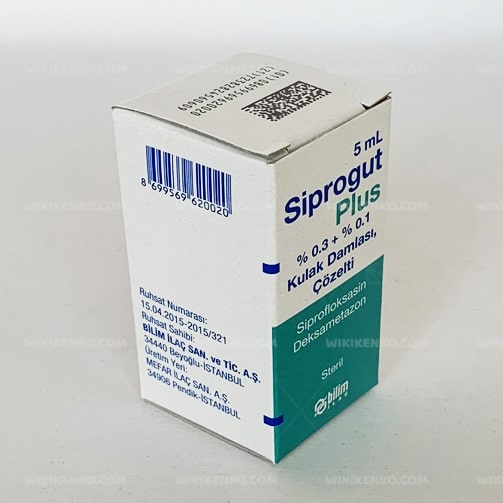
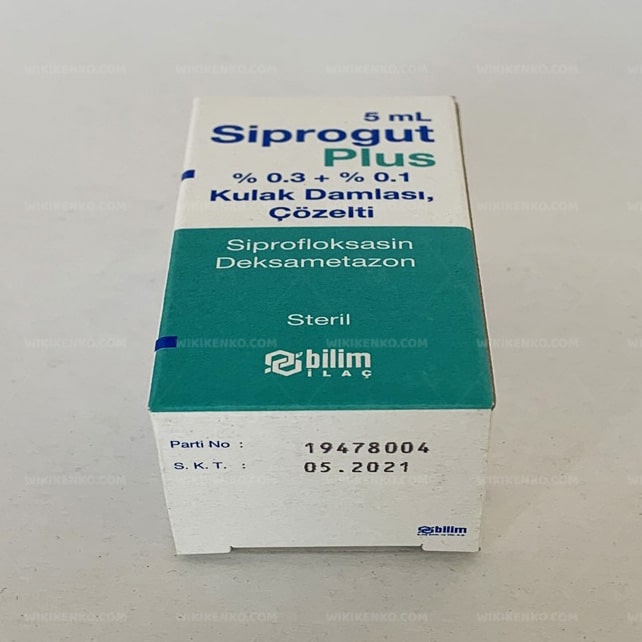
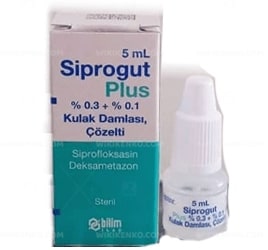
Siprogut Plus Ear Drops represents a potent combination therapy designed specifically for otic (ear) conditions, containing the fluoroquinolone antibiotic ciprofloxacin and the corticosteroid dexamethasone. This dual-action formulation targets both the infectious and inflammatory components of ear disorders, providing comprehensive relief for patients suffering from various otic conditions.
The medication delivers 3.00 mg of ciprofloxacin (equivalent to 3.50 mg of ciprofloxacin hydrochloride) and 1.00 mg of dexamethasone per milliliter, creating a balanced therapeutic approach to ear infections accompanied by inflammation. While potentially of Turkish origin, this medication follows pharmaceutical principles common to similar otic preparations worldwide, making it a valuable treatment option for certain ear pathologies when prescribed by healthcare professionals.
Composition and Pharmacological Properties
Siprogut Plus Ear Drops contains two primary active ingredients working synergistically to address different aspects of ear infections. The primary components include ciprofloxacin, a broad-spectrum fluoroquinolone antibiotic, present at a concentration of 3.00 mg per milliliter (equivalent to 3.50 mg of ciprofloxacin hydrochloride). This antibiotic is complemented by dexamethasone, a potent synthetic corticosteroid, at a concentration of 1.00 mg per milliliter.
The preparation likely also contains various excipients typical of otic formulations, which may include preservatives, buffering agents, and vehicles designed to ensure proper delivery of the active ingredients to the affected areas within the ear canal. The combination of these ingredients creates a preparation that simultaneously combats bacterial infection and reduces the inflammatory response.
The viscosity and pH of the solution are carefully formulated to ensure maximum comfort during administration while maintaining therapeutic efficacy. The pharmaceutical design likely considers the delicate nature of the ear canal and tympanic membrane, utilizing ingredients that minimize irritation while maximizing drug delivery to the affected tissues. The formulation exploits the local delivery advantage of ear drops, which allows for high local drug concentration with minimal systemic absorption, reducing the risk of systemic side effects commonly associated with oral antibiotic and corticosteroid therapy. This targeted delivery system enhances the therapeutic index of both active ingredients while minimizing potential adverse effects.
Mechanism of Action: Ciprofloxacin Component
Ciprofloxacin exerts its antimicrobial effects through a specific mechanism that targets bacterial DNA replication processes. The antibiotic works by inhibiting two critical bacterial enzymes: DNA gyrase (topoisomerase II) and topoisomerase IV, which are essential for bacterial DNA replication, transcription, repair, and recombination. This mechanism effectively prevents bacterial cell division and ultimately leads to bacterial cell death.
The selective toxicity of ciprofloxacin stems from its greater affinity for bacterial enzymes compared to their mammalian counterparts, providing a favorable therapeutic index for treating infections. The spectrum of activity includes numerous gram-positive and gram-negative bacteria commonly implicated in ear infections, including Pseudomonas aeruginosa, Staphylococcus aureus, Proteus mirabilis, and other pathogens frequently isolated from otic infections.
The local application of ciprofloxacin in the ear canal allows for the achievement of high concentrations at the site of infection, far exceeding the minimum inhibitory concentrations (MICs) required for most susceptible pathogens. This localized delivery system enhances the bactericidal effect while minimizing systemic exposure and related adverse effects.
Furthermore, the fluoroquinolone structure of ciprofloxacin enables excellent tissue penetration, allowing the antibiotic to effectively reach infected areas within the complex anatomy of the ear canal and middle ear space when tympanostomy tubes are present. The rapid bactericidal action of ciprofloxacin contributes to faster resolution of infection compared to bacteriostatic antibiotics, which may be particularly beneficial in acute infections characterized by significant bacterial load and rapid tissue damage.
Mechanism of Action: Dexamethasone Component
Dexamethasone, the anti-inflammatory component of Siprogut Plus, belongs to the corticosteroid class of medications and works through multiple mechanisms to reduce inflammation in the ear. The compound binds to intracellular glucocorticoid receptors, forming complexes that translocate to the nucleus where they interact with specific DNA sequences to alter gene expression.
This process leads to increased synthesis of anti-inflammatory proteins and decreased production of pro-inflammatory mediators like cytokines, chemokines, and eicosanoids. The molecular consequences include inhibition of phospholipase A2 activity, which reduces the production of inflammatory precursors, and suppression of cyclooxygenase-2 (COX-2) induction, limiting prostaglandin synthesis associated with the inflammatory cascade.
The anti-inflammatory effects of dexamethasone manifest as reduced capillary dilation, decreased fluid exudation, and limited cellular infiltration in the affected ear tissues. These effects significantly alleviate the pain, swelling, and discomfort associated with inflammatory processes in otitis. Additionally, dexamethasone possesses anti-pruritic and vasoconstrictive properties that further contribute to symptom relief.
The potency of dexamethasone exceeds that of many other corticosteroids, with anti-inflammatory activity approximately 25-30 times that of hydrocortisone, allowing for effective action even at the relatively low concentration present in the formulation. The rapid onset of dexamethasone’s anti-inflammatory effects complements the antibacterial action of ciprofloxacin, providing earlier symptomatic relief while the antibiotic eliminates the underlying infection.
Synergistic Effects of Combination Therapy
The combination of ciprofloxacin and dexamethasone in Siprogut Plus represents a therapeutic approach that addresses both the causative agent (bacteria) and the symptomatic manifestations (inflammation) of otic infections.
This dual-action strategy offers several clinical advantages over single-agent therapy. The antibiotic component effectively eradicates susceptible pathogens, while the corticosteroid rapidly reduces inflammation, pain, and edema, providing faster symptomatic relief than antibiotic therapy alone. Research suggests that this combination approach may accelerate clinical cure rates and improve patient comfort during the treatment period. The anti-inflammatory effects of dexamethasone may also improve antibiotic penetration by reducing tissue edema and exudation that might otherwise impede drug distribution within the infection site.
The formulation addresses a common clinical dilemma in treating ear infections, where inflammation persists even after bacterial eradication, prolonging patient discomfort. By simultaneously addressing both pathological processes, Siprogut Plus potentially shortens the overall duration of illness and improves patient compliance with the prescribed treatment regimen.
Additionally, the combination may help prevent certain complications of ear infections, such as tissue granulation or stenosis of the ear canal, which can result from prolonged inflammatory processes. The synergistic approach is particularly valuable in conditions like acute otitis externa with significant inflammation and acute otitis media with tympanostomy tubes, where both infection and inflammation contribute substantially to the clinical presentation and where rapid symptomatic improvement is highly desirable.
Therapeutic Indications
Siprogut Plus Ear Drops are primarily indicated for the treatment of various bacterial infections of the ear canal and middle ear accompanied by inflammation. The primary indication is acute otitis externa, commonly known as “swimmer’s ear,” a condition characterized by infection and inflammation of the external auditory canal. This painful condition typically results from bacterial infection, most commonly involving Pseudomonas aeruginosa or Staphylococcus aureus, which are effectively targeted by ciprofloxacin.
The prominent inflammatory component of acute otitis externa, manifesting as pain, erythema, and edema of the ear canal, responds well to the dexamethasone component, providing relatively rapid symptomatic relief while the antibiotic addresses the underlying infection. The combination therapy is particularly valuable in moderate to severe cases where both pain and infection are significant concerns.
Another important indication is acute otitis media with tympanostomy tubes (AOMT), a condition that occurs in patients who have had ventilation tubes placed in their tympanic membranes. In these cases, middle ear infections can result in drainage through the tubes into the external ear canal. The ciprofloxacin component effectively treats the bacterial infection, while dexamethasone helps reduce the inflammation and blockage of the tympanostomy tubes, maintaining their patency and function.
The topical application allows for direct drug delivery to the middle ear through the tympanostomy tubes, providing therapeutic concentrations at the infection site without significant systemic exposure. This localized approach is particularly beneficial for pediatric patients who frequently experience recurrent otitis media requiring tympanostomy tube placement.
Chronic suppurative otitis media with perforation of the tympanic membrane represents another potential indication for Siprogut Plus, although careful professional assessment is required before use in these cases. In this chronic condition, the antibiotic component addresses the persistent bacterial infection, while the anti-inflammatory effect of dexamethasone helps manage the ongoing inflammation that contributes to tissue damage and hearing impairment.
The medication may also be prescribed for post-surgical otic care following procedures such as mastoidectomy or tympanoplasty, where both infection prevention and inflammation control are essential components of the recovery process. In all indicated conditions, the dual-action formulation addresses both the causative pathology (bacterial infection) and symptomatic manifestations (pain, swelling, discharge), providing comprehensive therapeutic management.
Dosage and Administration Guidelines
The standard dosage regimen for Siprogut Plus Ear Drops in adults and children typically involves the administration of four drops into the affected ear(s) twice daily, with a usual treatment duration of seven to ten days. Prior to administration, the bottle should be warmed to body temperature by holding it in the hands for several minutes to prevent dizziness or vertigo that can occur when cold liquid enters the ear canal.
The ear drops should be administered with the patient lying with the affected ear upward, followed by gentle pressure on the tragus (the small projection in front of the external ear) and movement of the pinna (outer ear) to facilitate the distribution of the medication throughout the ear canal. After instillation, the patient should maintain this position for approximately five minutes to ensure adequate contact time between the medication and the affected tissues.
For optimal therapeutic results, strict adherence to the prescribed administration technique is essential. The external auditory canal should be cleaned gently before application to remove excessive debris or discharge that might impede drug penetration.
However, aggressive cleaning should be avoided, particularly in cases of significant inflammation or when the tympanic membrane integrity is questionable. In patients with otitis media with tympanostomy tubes, the head should be positioned to allow the drops to flow through the tube into the middle ear space. If treating both ears, cross-contamination should be prevented by using separate droppers or avoiding contact between the applicator tip and the ear structures. The treatment duration may be extended beyond the standard course based on clinical response and physician assessment, though prolonged use should be approached cautiously due to potential adverse effects.
Special dosing considerations apply to certain patient populations. Pediatric patients may require assistance with proper positioning and administration to ensure compliance and effectiveness. Elderly patients may need additional support with the administration technique and should be monitored closely for signs of local irritation or superinfection.
In cases of chronic suppurative otitis media with tympanic membrane perforation, the healthcare provider may recommend a modified administration technique to ensure appropriate delivery to the middle ear while minimizing potential ototoxic effects. Regardless of the specific indication, patients should complete the full course of therapy as prescribed, even if symptoms improve before completion, to prevent recurrence and reduce the risk of antimicrobial resistance development.
Side Effects and Adverse Reactions
The topical application of Siprogut Plus Ear Drops generally results in minimal systemic absorption, which contributes to a favorable safety profile compared to oral or parenteral antimicrobial and anti-inflammatory therapies. Nevertheless, various local adverse reactions may occur during treatment with this medication. The most commonly reported side effects include local irritation manifesting as burning or stinging sensations immediately following administration, which typically subsides within a few minutes and often diminishes with continued use. Some patients experience pruritus (itching) within the ear canal, which may represent a mild hypersensitivity reaction to one of the components in the formulation.
Temporary altered taste perception has been reported when the solution reaches the nasopharynx through the eustachian tube, particularly in patients with tympanostomy tubes or perforated eardrums.
More concerning but less frequent adverse reactions include contact dermatitis of the auricle or external auditory canal, which may necessitate discontinuation of the medication. Prolonged use of the preparation increases the risk of fungal superinfection, particularly with Candida species, due to the alteration of the normal microbial flora of the ear canal and the immunosuppressive effects of dexamethasone.
Signs of superinfection include persistent or worsening ear pain, increased discharge with characteristic appearance (often described as “cottage cheese-like” for fungal infections), and lack of improvement despite therapy. In rare cases, patients may experience more severe hypersensitivity reactions to either the active ingredients or excipients, which may manifest as extensive erythema, edema, or vesicular eruptions extending beyond the ear canal to the auricle and surrounding skin.
The dexamethasone component poses theoretical risks when used for extended periods or in patients with compromised tympanic membranes. These risks include potential ototoxicity affecting the semicircular canals or cochlea, though documented cases are extremely rare with proper use and adherence to recommended treatment durations. The ciprofloxacin component carries a minimal risk of developing resistant bacterial strains with prolonged or repeated use, which represents a broader public health concern related to antibiotic stewardship.
Healthcare providers should be vigilant for signs of treatment failure that might indicate the development of resistance, including persistent symptoms despite appropriate therapy or recurrent infections with diminishing periods of resolution between episodes. Patients should be instructed to report any persistent or worsening symptoms promptly to allow for timely intervention and alternative treatment approaches if necessary.
Contraindications and Special Precautions
Siprogut Plus Ear Drops are contraindicated in patients with known hypersensitivity to ciprofloxacin, other quinolone antibiotics, dexamethasone, or any of the excipients present in the formulation. Hypersensitivity reactions may range from mild contact dermatitis to more severe manifestations requiring immediate discontinuation of treatment. The medication is generally contraindicated in cases of suspected or confirmed viral infections of the external ear canal, including herpes simplex otitis externa, as the corticosteroid component may exacerbate these conditions by suppressing local immune responses.
Similarly, untreated fungal infections represent a contraindication, as the dexamethasone component may promote fungal proliferation while providing symptomatic relief that masks the underlying infection. In patients with extensive tympanic membrane perforations, alternative treatments may be preferred due to theoretical concerns regarding potential ototoxicity, although many specialists consider the benefits to outweigh the risks in cases of active infection with significant inflammation.
Special precautions should be observed when prescribing this medication to pregnant women. While systemic absorption is minimal with proper use, ciprofloxacin is classified as Pregnancy Category C, indicating that risk cannot be ruled out due to insufficient human studies. The use during pregnancy should be limited to situations where the potential benefit justifies the theoretical risk to the fetus.
Similar considerations apply to nursing mothers, although the risk of significant infant exposure through breast milk following otic application is extremely low. Pediatric use requires careful consideration, particularly in infants less than one year of age, where safety and efficacy data may be limited. The developing auditory structures in young children may theoretically be more susceptible to potential adverse effects, necessitating vigilant monitoring during treatment.
Healthcare providers should exercise caution when considering prolonged courses of therapy, particularly in patients with recurrent ear infections requiring repeated treatment cycles. Continuous or extended use increases the risk of altering the normal microbial flora of the ear canal, potentially leading to superinfection with resistant bacteria or fungal organisms. Additionally, prolonged corticosteroid exposure may cause thinning of the epithelial lining of the ear canal, making it more susceptible to future infections or physical trauma.
For patients with diabetes mellitus, careful monitoring for fungal superinfections is warranted, as these individuals may have increased susceptibility to opportunistic fungal infections when exposed to topical corticosteroids. When treating patients with suspected tympanic membrane perforation, the healthcare provider should carefully weigh the risks and benefits, potentially considering alternative treatments or modified administration techniques to minimize middle ear exposure while still addressing the infection and inflammation.
Drug Interactions and Pharmacokinetic Considerations
The topical administration of Siprogut Plus Ear Drops results in minimal systemic absorption under normal conditions, which significantly reduces the potential for conventional drug interactions that might occur with systemic administration of fluoroquinolones or corticosteroids. Nevertheless, certain considerations remain relevant in clinical practice. Concomitant use with other otic preparations should generally be avoided unless specifically directed by a healthcare professional, as the physical or chemical compatibility between different formulations has not been established.
The simultaneous application of multiple ear medications may lead to dilution effects, potentially reducing the effective concentration of active ingredients at the infection site. Additionally, certain preservatives or excipients in different ear drop formulations may interact, potentially causing precipitation or other physical changes that could affect drug delivery or exacerbate local irritation.
Though systemic absorption is limited, theoretical considerations exist regarding potential interactions in patients with large tympanic membrane perforations or extensive inflammation that might increase absorption. In such cases, awareness of potential systemic interactions may be prudent, particularly in patients concurrently taking oral medications with narrow therapeutic indices.
For instance, systemic fluoroquinolones are known to interact with theophylline, warfarin, and certain antidiabetic agents, although the risk with topical otic ciprofloxacin is exceedingly low. Similarly, systemic corticosteroids have numerous drug interactions, but the limited absorption of dexamethasone from otic application makes these interactions clinically insignificant in most scenarios. Nonetheless, healthcare providers should maintain awareness of the patient’s complete medication regimen when prescribing any medication, including topical preparations.
The pharmacokinetic profile of Siprogut Plus reflects its design as a locally acting medication with minimal systemic impact. Studies of similar otic preparations suggest that plasma concentrations of both ciprofloxacin and dexamethasone remain well below quantifiable limits following standard administration in patients with intact tympanic membranes. In patients with tympanostomy tubes or perforations, slightly higher systemic exposure may occur, though still remaining far below levels achieved with oral or parenteral administration of these compounds.
The local pharmacokinetics within the ear canal involve factors such as residence time (affected by drainage and epithelial turnover), penetration into epithelial tissues, and distribution throughout the complex anatomy of the external and potentially middle ear structures. These considerations inform the recommended dosing frequency and administration techniques designed to optimize therapeutic outcomes while minimizing adverse effects.
Storage, Handling, and Product Stability
Proper storage and handling of Siprogut Plus Ear Drops are essential to maintain the medication’s potency, sterility, and overall therapeutic effectiveness. The formulation should typically be stored at room temperature, generally between 15°C and 30°C (59°F to 86°F), unless specific manufacturer instructions indicate otherwise. Exposure to extreme temperatures should be avoided as heat may accelerate chemical degradation of the active ingredients, while freezing could potentially alter the physical properties of the suspension or solution.
The medication container should be kept tightly closed when not in use to prevent contamination and evaporation of volatile components that might affect the concentration of active ingredients. Protection from direct light is advisable as certain pharmaceutical compounds, including some antibiotics, may undergo photodegradation when exposed to ultraviolet or visible light, potentially reducing therapeutic efficacy.
The shelf life of Siprogut Plus, typically specified by the manufacturer based on stability testing, indicates the period during which the product maintains its specified quality characteristics when stored under recommended conditions. After this expiration date, the use of the medication is not recommended as both safety and efficacy may be compromised. Of particular importance for multi-dose containers of ear drops is the in-use stability period-the time during which the opened container remains safe and effective for continued use. Many otic preparations contain preservatives to inhibit microbial growth after opening, but these have limited effectiveness over time.
Patients should be advised to discard the medication typically 28 days after opening (or according to specific manufacturer guidelines), even if solution remains, to prevent the use of potentially contaminated or degraded medication.
Proper handling techniques are crucial to maintain the sterility of the ear drops and prevent contamination that could potentially introduce pathogens into the already compromised ear environment. The dropper tip should never contact the ear or any other surface to avoid contamination. Before administration, patients should wash their hands thoroughly to minimize the introduction of additional microorganisms.
If the medication appears discolored, contains visible particles, or shows any other signs of deterioration, it should not be used and should be replaced with a fresh supply. Healthcare providers should educate patients about these storage and handling requirements, emphasizing that improper storage or use of expired or contaminated medication could result in treatment failure or additional complications such as secondary infections.
Key Information Table
| Aspect | Details |
|---|---|
| Active Ingredients | Ciprofloxacin 3.00 mg/mL (as 3.50 mg HCl salt), Dexamethasone 1.00 mg/mL |
| Formulation | Sterile otic suspension/solution |
| Primary Indications | Acute otitis externa, acute otitis media with tympanostomy tubes, chronic suppurative otitis media |
| Standard Dosage | Adults & children: 4 drops in affected ear(s), 2 times daily for 7-10 days |
| Route of Administration | Otic (ear drops) |
| Common Side Effects | Local irritation, burning sensation, pruritus, fungal superinfection |
| Contraindications | Perforated eardrum (in some cases), hypersensitivity to ingredients, viral/fungal infections |
| Special Precautions | Pregnancy (Category C), lactation, pediatric use (safety not established in infants < 1 year) |
| Storage Conditions | Store at room temperature (15-30°C), protect from light |
| Prescription Status | Prescription only medicine |
Conclusion
Siprogut Plus Ear Drops represent a valuable therapeutic option in the management of bacterial otic infections accompanied by inflammatory processes. The strategic combination of ciprofloxacin and dexamethasone addresses both the causative pathology and symptomatic manifestations of these conditions, potentially offering faster resolution of symptoms and improved clinical outcomes compared to single-agent therapies.
The formulation exploits the benefits of topical administration, achieving high local drug concentrations while minimizing systemic exposure and related adverse effects. This approach is particularly advantageous in the treatment of conditions such as acute otitis externa and otitis media with tympanostomy tubes, where both antimicrobial and anti-inflammatory actions are clinically beneficial.
While generally well-tolerated, healthcare providers must consider the potential contraindications, precautions, and adverse effects associated with this medication, particularly in special populations such as pregnant women, nursing mothers, and pediatric patients. Proper patient education regarding administration techniques, expected effects, potential side effects, and storage requirements is essential to maximize therapeutic benefits while minimizing risks.
The importance of completing the full prescribed course of treatment should be emphasized to patients to prevent recurrence and reduce the risk of antimicrobial resistance development. With appropriate prescription, administration, and monitoring, Siprogut Plus Ear Drops can effectively manage common ear infections while improving patient comfort and quality of life during the treatment period.
As with all antimicrobial therapies, the use of Siprogut Plus should be guided by principles of antimicrobial stewardship, reserving its use for appropriate indications where both antibacterial and anti-inflammatory effects are necessary. The medication should be used judiciously, with careful consideration of the specific pathology, patient characteristics, and local patterns of antimicrobial susceptibility.
The evolving landscape of antimicrobial resistance necessitates ongoing vigilance and appropriate prescribing practices to preserve the effectiveness of fluoroquinolones and other antimicrobial agents. Through thoughtful clinical application and patient education, healthcare providers can optimize the therapeutic potential of this dual-action formulation in the management of infectious and inflammatory conditions of the ear.











Reviews
There are no reviews yet.