
Description
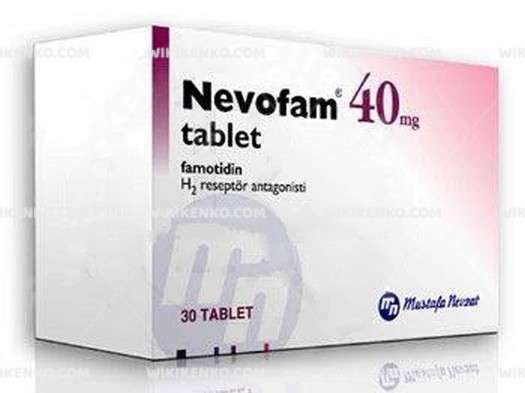
Nevofam Tablet 40 mg is a pharmaceutical preparation containing Famotidine as its active ingredient. This medication belongs to the histamine-2 (H2) receptor antagonist class and serves primarily as an acid-reducing agent in the gastrointestinal system. Manufactured and commonly prescribed in Turkey, Nevofam represents one of several brand names under which Famotidine is marketed globally.
The following comprehensive analysis examines the pharmacological properties, therapeutic applications, administration guidelines, and safety considerations associated with Nevofam Tablet 40 mg to provide healthcare professionals and patients with essential information regarding this medication.
Pharmaceutical Composition and Identity
Nevofam Tablet 40 mg contains Famotidine as its sole active pharmaceutical ingredient at a concentration of 40 milligrams per tablet. Famotidine belongs to the histamine H2-receptor antagonist class of medications, which function by blocking histamine’s action at H2 receptors in the stomach. This formulation is manufactured as a solid oral dosage form, specifically as tablets intended for oral administration.
The medication is produced by Turkish pharmaceutical companies and is primarily available in the Turkish pharmaceutical market, though similar Famotidine preparations exist worldwide under different brand names.
Chemical Properties and Structure
Famotidine, the active component in Nevofam, is chemically known as 3-[[[2-[(aminoiminomethyl)amino]-4-thiazolyl]methyl]thio]-N-(aminosulfonyl)propanimidamide. Its molecular formula is C8H15N7O2S3 with a molecular weight of approximately 337.45 g/mol. The compound contains a thiazole ring and a guanidine group that contribute to its specific binding capability to H2 receptors. Unlike earlier H2 antagonists, Famotidine’s chemical structure offers greater potency, allowing for effective acid suppression at relatively lower doses compared to medications like cimetidine.
Mechanism of Action
Nevofam exerts its therapeutic effect through Famotidine’s selective and competitive inhibition of histamine H2 receptors located on the basolateral membrane of gastric parietal cells. This blockade prevents histamine from binding to these receptors, consequently inhibiting the histamine-stimulated secretion of gastric acid. The mechanism specifically disrupts the histamine-mediated activation of adenylate cyclase, which normally leads to increased intracellular cyclic adenosine monophosphate (cAMP) and subsequent proton pump activation.
Pharmacodynamic Profile
Famotidine demonstrates remarkable potency in suppressing both basal and stimulated gastric acid secretion. Research indicates that the medication can reduce gastric acid output by approximately 90% for several hours following administration. This effect manifests rapidly, with onset typically occurring within one hour after oral administration, reaching maximum inhibition within 1-3 hours. The duration of action extends to 10-12 hours, allowing for convenient once or twice-daily dosing schedules. Unlike some proton pump inhibitors, Famotidine does not require acidic activation in gastric parietal cells, enabling immediate inhibitory action upon reaching its target receptors.
Therapeutic Indications
Treatment of Peptic Ulcer Disease
Nevofam Tablet 40 mg demonstrates significant efficacy in treating both duodenal and gastric ulcers. For active duodenal ulcers, the standard therapeutic regimen involves administering 40 mg once daily at bedtime for a duration of 4-8 weeks. Clinical studies have demonstrated healing rates of approximately 70-80% after four weeks of treatment and up to 90% after eight weeks. For gastric ulcers, similar dosing protocols apply, though the treatment duration may sometimes extend to 12 weeks depending on ulcer severity and healing progression.
Management of Gastroesophageal Reflux Disease (GERD)
In patients diagnosed with GERD, Nevofam helps alleviate symptoms such as heartburn, regurgitation, and esophagitis by reducing gastric acid production. For symptomatic GERD without esophageal erosion, the typical dosage is 20 mg twice daily. In more severe cases involving erosive esophagitis, the higher dose of 40 mg twice daily may be prescribed. Treatment duration generally ranges from 6 to 12 weeks, with maintenance therapy sometimes recommended for patients with recurrent symptoms.
Zollinger-Ellison Syndrome and Hypersecretory Conditions
Nevofam serves as an effective therapeutic option for managing Zollinger-Ellison syndrome and other pathological hypersecretory conditions characterized by excessive gastric acid production. In these scenarios, higher dosages are typically required, starting at 40 mg twice daily and potentially increasing to 160-480 mg daily in divided doses based on individual patient response and acid output measurements. Long-term management may be necessary for these conditions, with regular assessment of the patient’s ongoing need for therapy.
Dosage and Administration Guidelines
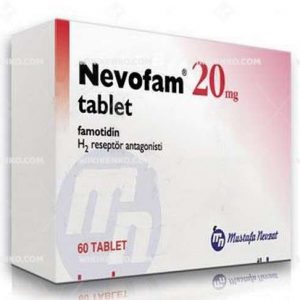
The dosage of Nevofam Tablet varies according to the specific condition being treated and the individual patient’s response to therapy. For the treatment of duodenal ulcers, the standard dose is 40 mg once daily at bedtime for 4-8 weeks. For gastric ulcers, 40 mg once daily for 4-8 weeks is typically prescribed. GERD treatment usually involves 20-40 mg twice daily for 6-12 weeks depending on symptom severity and esophageal involvement. Preventive therapy for recurrent conditions may involve lower maintenance doses of 20 mg once daily.
Special Population Considerations
Renal Impairment
Patients with reduced kidney function require dosage adjustments due to Famotidine’s renal elimination pathway. For individuals with moderate to severe renal impairment (creatinine clearance <50 mL/min), the dosing interval should be extended to every 36-48 hours, or the dose reduced by 50%, while maintaining the standard frequency. Careful monitoring of renal function throughout treatment is essential for these patients to prevent potential adverse effects related to drug accumulation.
Geriatric Patients
Elderly patients often exhibit decreased renal clearance of Famotidine, necessitating potential dosage modifications similar to those recommended for patients with renal impairment. Starting with lower doses and titrating upward based on clinical response represents a prudent approach in geriatric populations. Additionally, regular assessment for cognitive side effects is important, as elderly patients may demonstrate increased sensitivity to central nervous system effects of H2 blockers.
Side Effects and Safety Profile
Common Adverse Reactions
Nevofam Tablet 40 mg is generally well-tolerated, with most side effects being mild and transient. Headache represents the most frequently reported adverse effect, occurring in approximately 4.7% of patients. Other common side effects include dizziness (1.3%), constipation (1.2%), diarrhea (1.7%), and fatigue (0.6%). Gastrointestinal disturbances such as abdominal discomfort, nausea, and dry mouth have also been documented but occur in less than 2% of patients. Most of these adverse reactions resolve spontaneously without necessitating discontinuation of therapy.
Rare but Serious Adverse Effects
Though uncommon, severe adverse reactions associated with Famotidine have been reported and warrant careful attention. These include severe hypersensitivity reactions manifesting as anaphylaxis, angioedema, or bronchospasm. Neurological complications such as confusion, hallucinations, and seizures occur rarely but more frequently in elderly patients and those with renal dysfunction. Hematological abnormalities including thrombocytopenia, agranulocytosis, and pancytopenia have been documented in isolated case reports. Hepatic dysfunction, characterized by elevated liver enzymes and, in rare instances, cholestatic hepatitis, may necessitate treatment discontinuation.
Monitoring Recommendations
Regular clinical assessment during Nevofam therapy is advisable, particularly for long-term users. Baseline and periodic liver function tests and complete blood counts may be considered, especially in patients receiving high doses or extended treatment courses. Patients with pre-existing renal impairment should undergo regular monitoring of renal function parameters. Clinical vigilance for neuropsychiatric symptoms is recommended, particularly in elderly patients or those with compromised blood-brain barrier function.
Drug Interactions and Precautions
Significant Drug Interactions
Nevofam demonstrates a relatively favorable drug interaction profile compared to earlier H2-receptor antagonists. However, several notable interactions warrant clinical attention. Famotidine may reduce the absorption of medications requiring acidic gastric pH for dissolution and absorption, such as ketoconazole, itraconazole, and atazanavir. Although less clinically significant than with cimetidine, Famotidine might affect the hepatic metabolism of certain drugs, potentially altering their plasma concentrations. Concomitant administration with drugs that compete for renal tubular secretion may affect Famotidine elimination, particularly in patients with impaired renal function.
Use During Pregnancy and Lactation
Famotidine is classified as FDA Pregnancy Category B, indicating no evidence of risk in animal studies but insufficient controlled studies in pregnant women. Limited human data suggests no significant increase in congenital malformations with exposure during pregnancy. The medication should be used during pregnancy only when clearly needed and when potential benefits justify possible risks.
Famotidine does penetrate into breast milk in small amounts, with an estimated infant exposure of approximately 1.4-1.7% of the maternal weight-adjusted dose. While no adverse effects have been reported in breastfed infants, careful consideration of risks and benefits is recommended when prescribing to nursing mothers.
Contraindications and Warnings
Nevofam is contraindicated in patients with known hypersensitivity to Famotidine or other H2-receptor antagonists. Caution is advised when administering to patients with moderate to severe renal impairment due to the medication’s renal elimination pathway. Cross-sensitivity between different H2 blockers has been reported; therefore, careful consideration is warranted in patients with previous reactions to similar medications. Additionally, H2 blockers including Famotidine may mask symptoms of gastric malignancy; therefore, appropriate diagnostic measures should be undertaken to rule out malignant disease before initiating therapy for gastric ulceration.
Storage and Handling Instructions
Nevofam Tablet 40 mg should be stored at room temperature, typically between 15-30°C (59-86°F), in a dry place protected from direct light and moisture. The medication should remain in its original container with the lid tightly closed to prevent exposure to humidity. Like all medications, Nevofam should be kept out of reach of children and pets. Expired tablets should not be consumed and should be disposed of properly according to local pharmaceutical waste guidelines. The shelf life of Nevofam tablets is typically 2-3 years from the manufacturing date when stored under appropriate conditions.
Pharmaceutical Information Table
| Aspect | Details |
|---|---|
| Brand Name | Nevofam |
| Generic Name | Famotidine |
| Dosage | 40 mg per tablet |
| Drug Class | Histamine H2-receptor antagonist |
| Primary Uses | Peptic ulcer disease, GERD, hypersecretory conditions |
| Standard Dosage | 20-40 mg once or twice daily depending on condition |
| Treatment Duration | 4-12 weeks for most conditions; longer for hypersecretory states |
| Common Side Effects | Headache, dizziness, constipation, diarrhea |
| Serious Side Effects | Hypersensitivity reactions, neurological complications, blood disorders |
| Major Drug Interactions | Ketoconazole, itraconazole, atazanavir |
| Contraindications | Known hypersensitivity to Famotidine |
| Pregnancy Category | FDA Category B |
| Storage Conditions | Room temperature (15-30°C), protect from moisture and light |
Clinical Efficacy and Outcomes
Comparative Efficacy
Clinical studies have demonstrated that Famotidine 40 mg exhibits superior acid suppression compared to equivalent doses of cimetidine and ranitidine, while showing comparable efficacy to higher doses of these earlier H2-receptor antagonists. In the treatment of duodenal ulcers, Famotidine 40 mg once daily has shown healing rates of approximately 70-80% at four weeks and up to 90% at eight weeks, comparable to the efficacy of proton pump inhibitors in uncomplicated cases.
For GERD management, Famotidine effectively relieves symptoms in approximately 50-60% of patients with non-erosive disease, though proton pump inhibitors generally demonstrate superior efficacy in more severe cases of erosive esophagitis.
Long-term Treatment Considerations
Extended Famotidine therapy appears generally safe and effective for conditions requiring prolonged acid suppression. Unlike proton pump inhibitors, Famotidine has not been strongly associated with increased risks of bone fractures, Clostridium difficile infection, or pneumonia during long-term use, though vigilance for these potential complications remains prudent. Some patients may develop tolerance to the acid-suppressing effects of Famotidine with continuous long-term use, occasionally necessitating dosage adjustments. Periodic reassessment of the need for continued therapy is recommended, particularly for conditions that might resolve or improve over time.
Conclusion
Nevofam Tablet 40 mg represents an effective pharmaceutical intervention for various acid-related gastrointestinal disorders. Its active ingredient, Famotidine, offers potent and selective H2-receptor antagonism with a favorable safety profile compared to earlier medications in its class. The medication demonstrates significant efficacy in treating peptic ulcer disease, GERD, and hypersecretory conditions while exhibiting relatively few serious adverse effects and drug interactions.
Proper patient selection, appropriate dosing based on specific indications and individual characteristics, and vigilant monitoring for potential complications enhance therapeutic outcomes. Despite the development of more potent acid-suppressing medications such as proton pump inhibitors, Famotidine continues to maintain an important position in the therapeutic armamentarium for acid-related disorders due to its established efficacy, safety, and cost-effectiveness.











Reviews
There are no reviews yet.