
Description
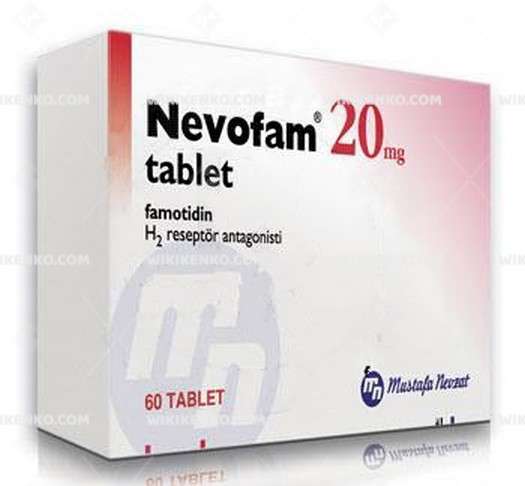
Nevofam Tablet 20 Mg is a pharmaceutical preparation containing Famotidine as its active ingredient, which belongs to the class of histamine H2-receptor antagonists. This medication is primarily prescribed for conditions related to excessive gastric acid production, offering relief to patients suffering from various gastrointestinal disorders. Famotidine works by blocking histamine receptors in the stomach, thereby reducing the secretion of gastric acid and providing therapeutic effects for acid-related disorders. As a Turkish pharmaceutical formulation, Nevofam has gained recognition for its efficacy in treating conditions such as gastroesophageal reflux disease (GERD), peptic ulcers, and other hypersecretory conditions.
Composition and Pharmacological Classification
Active Ingredient
Nevofam Tablet contains Famotidine 20 mg as its primary active ingredient. Famotidine is a histamine-2 (H2) blocker that reduces the amount of acid produced in the stomach. It belongs to the class of medications known as histamine H2-receptor antagonists, which work by blocking the action of histamine on the acid-producing cells in the stomach lining. The molecular formula of Famotidine is C8H15N7O2S3, and it is a white to pale yellow crystalline compound that is soluble in glacial acetic acid and sparingly soluble in water.
Pharmaceutical Form
The medication is formulated as an oral tablet containing 20 mg of Famotidine. The tablet may also contain various excipients that facilitate its manufacturing, stability, and absorption in the gastrointestinal tract. These inactive ingredients typically include microcrystalline cellulose, pregelatinized starch, talc, magnesium stearate, and other pharmaceutical excipients that contribute to the tablet’s physical properties.
Therapeutic Uses and Indications
Treatment of Gastroesophageal Reflux Disease (GERD)
Nevofam 20 mg is commonly prescribed for the treatment of GERD, a condition characterized by the backflow of stomach acid into the esophagus, causing symptoms such as heartburn and acid regurgitation. The medication helps reduce acid production, thereby alleviating the symptoms associated with GERD and promoting healing of the esophageal lining that may have been damaged by stomach acid. For patients with GERD, Famotidine is typically prescribed for 4-8 weeks, with the possibility of extended treatment based on clinical response.
Management of Peptic Ulcers
The medication is effective in treating peptic ulcers, including duodenal and gastric ulcers. Famotidine helps in the healing process by reducing stomach acid levels, which allows the ulcerated tissues to regenerate. For duodenal ulcers, the recommended treatment duration is usually 4-8 weeks, while gastric ulcers may require treatment for up to 8 weeks or longer depending on the severity and healing progress.
Prevention of Stress Ulcers
Nevofam may also be prescribed for the prevention of stress ulcers in critically ill patients, particularly those in intensive care settings. These patients are at higher risk of developing stress-related mucosal damage due to physiological stress, and Famotidine helps reduce this risk by decreasing gastric acid secretion. The medication is often administered to patients with severe trauma, extensive burns, or those undergoing major surgical procedures.
Other Acid-Related Conditions
Famotidine is also indicated for the treatment of pathological hypersecretory conditions, such as Zollinger-Ellison syndrome, where tumors cause excessive secretion of gastric acid. Additionally, it may be used to prevent and treat heartburn, acid indigestion, and sour stomach when used as an over-the-counter medication at lower doses.
Mechanism of Action
Histamine H2-Receptor Antagonism
Famotidine exerts its therapeutic effect by competitively inhibiting the action of histamine at the H2 receptors located on the parietal cells in the gastric mucosa. Histamine is a natural chemical that stimulates the parietal cells to produce hydrochloric acid. By blocking these receptors, Famotidine prevents histamine from binding and subsequently reduces the secretion of gastric acid.
Reduction of Gastric Acid Secretion
The inhibition of H2 receptors by Famotidine leads to a significant reduction in basal and stimulated gastric acid secretion. This reduction in acid secretion occurs regardless of the stimulating agent, whether it be food, caffeine, insulin, or pentagastrin. The decreased acidity of the gastric contents creates a more favorable environment for the healing of damaged mucosal tissues and reduces the symptoms associated with excessive acid production.
Pharmacokinetic Properties
Following oral administration, Famotidine is absorbed from the gastrointestinal tract with a bioavailability of approximately 40-45%. The medication reaches peak plasma concentrations within 1-3 hours after ingestion. It is minimally bound to plasma proteins (15-20%) and has a plasma half-life of about 2.5-3.5 hours. Famotidine is primarily eliminated by renal excretion, with about 65-70% of the dose excreted unchanged in the urine.
Dosage and Administration Guidelines
Standard Adult Dosage
For the treatment of duodenal ulcers, the recommended adult dosage of Nevofam is 20 mg twice daily or 40 mg once daily at bedtime for 4-8 weeks. For the treatment of benign gastric ulcers, the typical dosage is 40 mg once daily at bedtime for 4-8 weeks. In the management of GERD, the standard dosage is 20 mg twice daily for 6-12 weeks. For pathological hypersecretory conditions such as Zollinger-Ellison syndrome, the initial dosage is 20 mg every 6 hours, which may be adjusted based on individual patient response.
Special Populations
In patients with moderate to severe renal impairment (creatinine clearance less than 50 mL/min), the dosage should be reduced or the dosing interval increased to prevent accumulation of the drug. For elderly patients, no specific dosage adjustment is required unless there is significant renal impairment. In pediatric patients, the dosage is typically calculated based on body weight and the specific condition being treated.
Administration Instructions
Nevofam tablets can be taken with or without food, as food does not significantly affect the absorption of Famotidine. However, it is recommended to take the medication at the same time(s) each day to maintain consistent blood levels. The tablets should be swallowed whole with a glass of water and should not be crushed, chewed, or broken unless specifically instructed by a healthcare provider.
Side Effects and Adverse Reactions
Common Side Effects
While Nevofam is generally well-tolerated, some patients may experience mild side effects such as headache, dizziness, constipation, or diarrhea. These side effects are usually transient and resolve on their own without requiring discontinuation of the treatment. Other reported common side effects include fatigue, muscle pain, and joint pain. It is important to note that the occurrence of these side effects varies among individuals, and many patients do not experience any significant adverse reactions.
Serious Side Effects
Although rare, serious side effects can occur with Famotidine use and require immediate medical attention. These include allergic reactions (such as rash, itching, swelling, severe dizziness, or difficulty breathing), confusion, hallucinations, irregular or fast heartbeat, seizures, and signs of infection (like persistent sore throat, fever). Additionally, severe skin reactions have been reported in rare cases, including Stevens-Johnson syndrome and toxic epidermal necrolysis.
Long-term Effects
Long-term use of Famotidine may be associated with certain risks, such as vitamin B12 deficiency due to decreased absorption in the gastrointestinal tract. There have also been reports of an increased risk of community-acquired pneumonia and Clostridium difficile-associated diarrhea in patients on long-term acid-suppressive therapy. However, Famotidine is generally considered safer for long-term use compared to proton pump inhibitors (PPIs) with regard to these associations.
Contraindications and Precautions
Absolute Contraindications
Nevofam is contraindicated in patients with known hypersensitivity to Famotidine or any component of the formulation. Patients who have experienced allergic reactions to other H2-receptor antagonists (such as cimetidine, ranitidine, or nizatidine) may have cross-sensitivity and should use Famotidine with caution.
Precautions in Special Populations
Caution should be exercised when administering Famotidine to pregnant women, as it falls under pregnancy category B, meaning that while animal studies have not demonstrated risk to the fetus, there are no adequate and well-controlled studies in pregnant women. Famotidine is excreted in breast milk, so nursing mothers should consider the potential risks versus benefits before using this medication.
Drug Interactions
Famotidine has fewer drug interactions compared to other H2-receptor antagonists due to its lower affinity for cytochrome P450 enzymes. However, it may still interact with certain medications such as atazanavir, dasatinib, delavirdine, and other drugs that require acidic stomach environment for proper absorption. Additionally, concurrent use with high doses of calcium carbonate antacids may reduce the absorption of Famotidine.
Storage and Handling
Storage Conditions
Nevofam tablets should be stored at room temperature, away from excessive heat, moisture, and direct light. The recommended storage temperature is typically between 20°C and 25°C (68°F and 77°F), with excursions permitted between 15°C and 30°C (59°F and 86°F). The medication should be kept in its original container with the lid tightly closed to protect it from moisture.
Shelf Life and Expiration
The expiration date is typically printed on the packaging, and the medication should not be used beyond this date as its safety and effectiveness cannot be guaranteed. If the tablets show any signs of deterioration, such as discoloration or unusual odor, they should be discarded properly. It is important to note that expired medications may not only be less effective but could potentially be harmful.
Proper Disposal
Unused or expired Nevofam tablets should be disposed of properly to prevent accidental ingestion by children, pets, or others, and to minimize environmental impact. Many communities offer medication take-back programs for safe disposal. If such programs are not available, the tablets can be mixed with an unpalatable substance (like coffee grounds or cat litter), placed in a sealed container, and discarded in household trash.
Comprehensive Information Table
| Parameter | Details |
|---|---|
| Generic Name | Famotidine |
| Brand Name | Nevofam |
| Drug Classification | Histamine H2-receptor antagonist |
| Available Strength | 20 mg |
| Standard Adult Dosage | GERD: 20 mg twice daily for 6-12 weeks Duodenal ulcer: 20 mg twice daily or 40 mg once daily at bedtime for 4-8 weeks Gastric ulcer: 40 mg once daily at bedtime for 4-8 weeks |
| Common Side Effects | Headache, dizziness, constipation, diarrhea, fatigue, muscle pain |
| Serious Side Effects | Allergic reactions, confusion, hallucinations, irregular heartbeat, seizures, severe skin reactions |
| Contraindications | Hypersensitivity to Famotidine or any component of the formulation |
| Drug Interactions | Atazanavir, dasatinib, delavirdine, high-dose calcium carbonate antacids |
| Storage Requirements | Store at room temperature (20-25°C) away from heat, moisture, and light |
| Pregnancy Category | B (Animal studies show no risk; no adequate human studies) |
| Renal Dosage Adjustment | Required for creatinine clearance <50 mL/min |
| Half-life | 2.5-3.5 hours |
| Route of Administration | Oral |
| Bioavailability | 40-45% |
Conclusion
Nevofam Tablet 20 Mg, containing Famotidine as its active ingredient, is an effective histamine H2-receptor antagonist used primarily for the treatment of acid-related gastrointestinal disorders. Through its mechanism of reducing gastric acid secretion, it provides relief from symptoms associated with conditions such as GERD, peptic ulcers, and pathological hypersecretory states. While generally well-tolerated with a favorable safety profile, patients should be aware of potential side effects and drug interactions. The medication’s dosage should be adjusted for patients with renal impairment, and special considerations are necessary for specific populations such as pregnant women and the elderly.
As with any medication, Nevofam should be used under the guidance of a healthcare professional who can provide personalized advice based on the patient’s specific medical condition and overall health status. Regular follow-up with healthcare providers is essential to monitor the effectiveness of treatment and detect any adverse effects early.











Reviews
There are no reviews yet.