
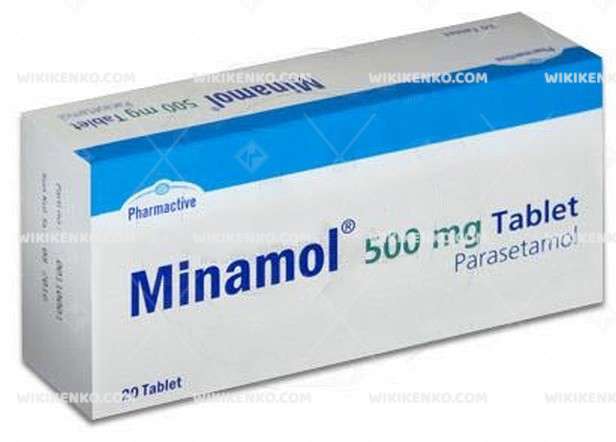
Description
Minamol Tablet 500 mg is a pharmaceutical preparation widely used for its analgesic and antipyretic properties. At its core, every tablet contains 500 mg of paracetamol, a well-known active ingredient employed to alleviate various forms of mild to moderate pain and to reduce fever. This article provides an in-depth look at Minamol’s composition, mechanisms of action, common indications, dosage guidelines, and important safety considerations.
Introduction
Paracetamol—known as acetaminophen in some regions—is one of the most frequently used medications worldwide. Minamol Tablet 500 mg is formulated to provide timely relief from discomforts such as headaches, muscle aches, dental pain, and fever associated with common illnesses. Given its over-the-counter availability in many markets, including Turkey, this tablet has become a staple in many households. However, despite its widespread use, it is vital to understand the proper dosing guidelines, potential side effects, and appropriate precautions to ensure safe use.
Active Ingredient and Mechanism of Action
The primary active ingredient in Minamol Tablet is paracetamol, present at a dose of 500 mg per tablet. Paracetamol works primarily within the central nervous system, where it inhibits the synthesis of prostaglandins, compounds involved in pain signaling and fever generation. Although its precise mechanism is not entirely elucidated, paracetamol is thought to exert its effect by acting on specific pathways in the brain, thereby reducing pain perception and lowering body temperature. Its mode of action distinguishes it from nonsteroidal anti-inflammatory drugs (NSAIDs), as it does not significantly reduce inflammation at the site of the injury.
Indications and Benefits
Minamol Tablet 500 mg is indicated for the relief of several conditions:
- Mild to Moderate Pain: Conditions such as headaches, muscle aches, back pain, dental pain, and pain associated with minor injuries.
- Fever Reduction: It is commonly used to alleviate elevated body temperatures during common viral infections or other febrile conditions.
The benefits of using Minamol include its rapid onset of action, widespread availability, and a generally favorable safety profile when taken in accordance with recommended dosages. For many users, it represents a reliable option for managing discomfort without the gastrointestinal side effects sometimes associated with other analgesics.
Dosage and Administration
For adults and children above a certain age threshold (as specified on the product label or advised by a healthcare provider), the typical dosage for Minamol Tablet 500 mg is one tablet per dose. It is essential, however, to adhere to responsible use guidelines:
- Dosage Frequency: A single tablet every 4 to 6 hours as needed.
- Maximum Daily Dose: Do not exceed 4000 mg (i.e., eight 500 mg tablets) in a 24-hour period.
Taking doses in excess of the recommended amount can result in severe liver damage. Special caution must be exercised in individuals with pre-existing liver conditions or those who consume alcohol regularly. Always read the accompanying patient information leaflet and consult with a healthcare provider if there is any uncertainty regarding dosage.
Side Effects and Precautions
While Minamol Tablet 500 mg is generally safe when taken as directed, it is not without potential side effects. Some users may experience:
- Mild Side Effects: Skin rash, minor gastrointestinal discomfort, or transient allergic reactions.
- Serious Risks: Overdose can lead to hepatotoxicity (liver damage), which may be life-threatening if not promptly treated.
Patients with a history of liver disease or those taking other medications that contain paracetamol should exercise particular caution. It is also important to avoid concurrent use with alcohol, as this combination increases the risk of adverse liver effects. Always consult a healthcare professional if you experience any unusual symptoms or if your pain or fever persists.
Contraindications and Overdose Risks
Minamol Tablet should not be used by individuals with known hypersensitivity to paracetamol or any of its components. Moreover, in cases of severe liver impairment, the use of paracetamol requires careful assessment by a medical professional. In the event of an overdose, immediate medical attention is crucial. Symptoms of overdose may include nausea, vomiting, and a significant increase in liver enzymes, eventually leading to severe hepatic failure if untreated.
Summary Table of Key Information
| Parameter | Description |
|---|---|
| Active Ingredient | 500 mg Paracetamol per tablet |
| Dosage | Typically one tablet every 4-6 hours as needed; maximum of 4000 mg per day for adults |
| Indications/Benefits | Relief from mild to moderate pain (e.g., headaches, muscular aches, dental pain) and reduction of fever |
| Usage Recommendations | Should be taken orally with a glass of water; observe the dosing interval and do not exceed the recommended daily dosage; follow instructions on the product leaflet or medical advice. |
| Side Effects | Possible mild gastrointestinal discomfort, skin rash, or allergic reactions; serious risk includes liver damage if overdosed |
| Precautions | Avoid use in individuals with liver impairments or those who consume significant amounts of alcohol; consult a healthcare provider if symptoms persist or if there are any concerns regarding concurrent use with other paracetamol-containing products. |
Conclusion
Minamol Tablet 500 mg represents a commonly used, effective, and safe option for managing pain and fever when used responsibly. Its active ingredient, paracetamol, has been a cornerstone in symptomatic relief for decades. However, its safety largely depends on adhering to proper dosage guidelines and being mindful of any contraindications or potential side effects. As always, while Minamol is available over the counter in many countries, consultation with a healthcare provider is recommended, especially for individuals with pre-existing health concerns or when managing persistent symptoms.
This comprehensive overview serves as an informative guide, yet it is important to remember that every therapeutic decision should be individualized. If further details or guidance are needed on pain management options or alternative analgesics, exploring additional medical literature or consulting a professional may yield valuable insights.


Reviews
There are no reviews yet.