
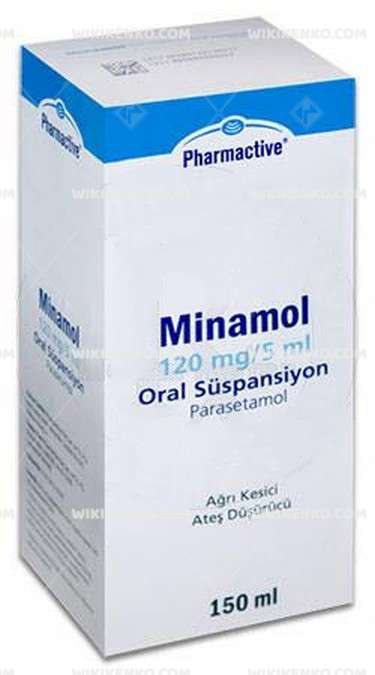
Minamol Oral Suspension
Minamol Oral Suspension, a stalwart in pediatric pain relief, takes center stage in this comprehensive exploration. With paracetamol as its active ingredient, this medication stands as a formidable analgesic and antipyretic, dedicated to alleviating mild to moderate pain and fever in children.
| Dosage form | |
|---|---|
| Pack size | |
| Potency | 120 Mg/5Ml 150Ml |
| Manufacturer | |
| Origin | |
| Generic Name (Ingredient) | Each 5 Ml Suspension Contains 120 Mg Of Paracetamol. |
Assuming your emergency circumstances for this product, visit Urgent Quotation page. Besides, for any pharmaceutical questions, please ask us in the comments section.
Description
Composition
Delve into the composition of Minamol Oral Suspension, where each 5ml encapsulates 120mg of paracetamol. The symphony of healing extends further with ingredients like sucrose, sorbitol, methyl parahydroxybenzoate, sunset yellow, banana flavor, Avicel RC 591, glycerol, xanthan gum, and purified water.
| Components | Dosage per 5 ml |
|---|---|
| Paracetamol | 120 mg |
| Sucrose | – |
| Sorbitol | – |
| Methyl Parahydroxybenzoate | – |
| Sunset Yellow | – |
| Banana Flavor | – |
| Avicel RC 591 | – |
| Glycerol | – |
| Xanthan Gum | – |
| Purified Water | – |
Indications
Minamol Oral Suspension emerges as a beacon for the symptomatic treatment of mild to moderate pain and fever in children. Its efficacy extends to diverse pains – toothache, throat pain, headache, muscle pain, and ear pain. It stands resilient in alleviating the feverish grip of colds.
Dosage and Administration
Navigate the nuances of Minamol Oral Suspension dosage, intricately tailored to the child’s weight. As a general guide:
- Children 2-3 years (24-35 lbs): 5 mL every 4 hours as needed.
- Children 4-5 years (36-47 lbs): 7.5 mL every 4 hours as needed.
- Children 6-8 years (48-59 lbs): 15 mL every 4 hours as needed.
It’s paramount not to exceed 5 doses in 24 hours, emphasizing the necessity of consulting healthcare professionals for precise guidance.
| Child’s Weight | Recommended Dosage |
|---|---|
| 2-3 years (24-35 lbs) | 5 mL every 4 hours as needed |
| 4-5 years (36-47 lbs) | 7.5 mL every 4 hours as needed |
| 6-8 years (48-59 lbs) | 15 mL every 4 hours as needed |
Precautions
Unveil the precautions synonymous with Minamol Oral Suspension usage:
- Hypersensitivity: Avoid in cases of known paracetamol or ingredient hypersensitivity.
- Organ Failure: Exercise caution in severe liver or kidney failure.
- Health Conditions: Prudence in cases of anemia, lung disease, or liver/kidney disorders.
- Concurrent Medication: Vigilance if the child is on other paracetamol-containing medication.
- Dosage Adherence: Strict adherence to recommended dosage limits.
- Storage Wisdom: Preserve in a cool, dry place, shielded from direct sunlight.
- Pediatric Focus: Intended for children’s use; avoid administration in adults without professional direction.
| Precautionary Measures | Guidance |
|---|---|
| Hypersensitivity | Avoid in known hypersensitivity |
| Organ Failure | Exercise caution in severe liver or kidney failure |
| Health Conditions | Be prudent in cases of anemia, lung disease, or liver/kidney disorders |
| Concurrent Medication | Vigilance if the child is on other paracetamol-containing medication |
| Dosage Adherence | Strict adherence to recommended dosage limits |
| Storage Wisdom | Preserve in a cool, dry place, shielded from direct sunlight |
| Pediatric Focus | Intended for children’s use; avoid administration in adults without professional direction |
Side Effects
Unearth the common side effects, from nausea and indigestion to tiredness and skin rash. Awareness of these nuances empowers caregivers to respond promptly, ensuring the well-being of those under Minamol’s therapeutic wing.
| Common Side Effects | Response |
|---|---|
| Nausea and Vomiting | – |
| Indigestion | – |
| Stomach Pain | – |
| Skin Rash | – |
| Dark or Clay-Colored Stools | – |
| Tiredness | – |
| Loose Stools | – |
| Bloody and Cloudy Urine | – |
| Stomach Discomfort | – |
Onset of Action
Witness the swift tempo of Minamol’s active ingredient, paracetamol, as it commences its healing symphony within 30 minutes to an hour. Yet, the individual’s metabolism, formulation specifics, and food presence wield influence. Tailored insights from healthcare professionals refine this temporal understanding.
Minamol Oral Suspension Benefits
Celebrate the multifaceted benefits that Minamol Oral Suspension, with paracetamol at its helm, unfolds:
- Pain Relief: Efficacious against mild to moderate pain, spanning toothache, throat pain, headache, muscle pain, and ear pain.
- Fever Reduction: A stalwart in lowering fever, offering respite during colds and flu.
- Pediatric Safety: Meticulously formulated for children, ensuring secure pain and fever management.
- Ease of Administration: The oral suspension format simplifies administration, a boon for children grappling with tablet aversions.
- Uniform Dosing: Consistency in therapeutic effects, with each dose delivering the same paracetamol dosage.
Interactions
Explore potential interactions, from heightened anticoagulant effects with warfarin to altered paracetamol effectiveness with certain antiepileptic drugs. Insights into these intersections empower informed medication choices.
| Interaction Type | Examples |
|---|---|
| Drug-Drug Interactions | Heightened anticoagulant effects with warfarin |
| Altered paracetamol effectiveness with certain antiepileptic drugs | |
| Drug-Food Interactions | Reduced paracetamol absorption with cholestyramine |
| Accelerated absorption with metoclopramide and domperidone |
Conclusion
In the realm of pediatric healthcare, Minamol Oral Suspension stands as a paragon of healing. From its nuanced composition to the array of benefits it bestows, Minamol personifies pharmaceutical excellence. However, the orchestration of optimal pediatric health necessitates collaboration with healthcare providers, ensuring each dosage resonates with the symphony of well-being.
Note: This article serves as an informative guide and does not replace professional medical advice. Always consult with healthcare professionals for personalized guidance
Use the form below to report an error
Please answer the questions as thoroughly and accurately as possible. Your answers will help us better understand what kind of mistakes happen, why and where they happen, and in the end the purpose is to build a better archive to guide researchers and professionals around the world.
The information on this page is not intended to be a substitute for professional medical advice, diagnosis, or treatment. always seek the advice for your physician or another qualified health provider with any questions you may have regarding a medical condition. Always remember to
- Ask your own doctor for medical advice.
- Names, brands, and dosage may differ between countries.
- When not feeling well, or experiencing side effects always contact your own doctor.
Cyberchondria
The truth is that when we’re sick, or worried about getting sick, the internet won’t help.
According to Wikipedia, cyberchondria is a mental disorder consisting in the desire to independently make a diagnosis based on the symptoms of diseases described on Internet sites.
Why you can't look for symptoms on the Internet
If diagnoses could be made simply from a textbook or an article on a website, we would all be doctors and treat ourselves. Nothing can replace the experience and knowledge of specially trained people. As in any field, in medicine there are unscrupulous specialists, differences of opinion, inaccurate diagnoses and incorrect test results.

Reviews
There are no reviews yet.