

Description
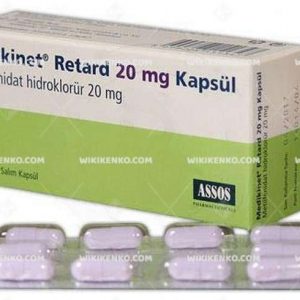
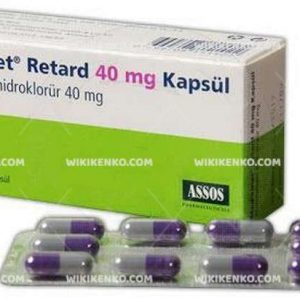
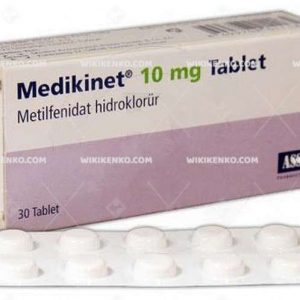
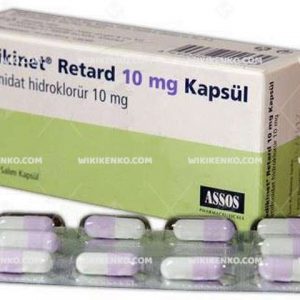
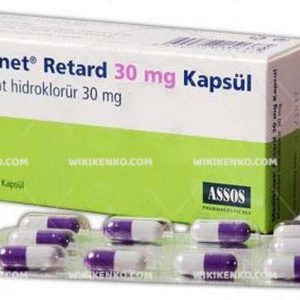
Medikinet 20 mg tablets contain methylphenidate hydrochloride, a central nervous system (CNS) stimulant with dopaminergic and noradrenergic activity. The product is marketed in several European countries, including the United Kingdom, by Medice UK Ltd and other affiliates.
Regulatory status and indication
Medikinet 20 mg is approved as an immediate‑release methylphenidate formulation for the treatment of ADHD in children aged 6 years and older when non‑pharmacological measures alone are insufficient. Use must form part of a comprehensive treatment programme including psychological, educational, and social measures.
Qualitative and Quantitative Composition
Each Medikinet 20 mg tablet contains 20 mg methylphenidate hydrochloride, equivalent to 17.30 mg methylphenidate base. The tablets also contain excipients such as lactose monohydrate (approximately 38.48 mg per tablet) and other standard tablet constituents.
Composition table
| Component | Quantity per tablet | Notes |
|---|---|---|
| Methylphenidate hydrochloride | 20 mg | Active ingredient, CNS stimulant |
| Methylphenidate (base equivalent) | 17.30 mg | Pharmacologically active base amount |
| Lactose (excipient with known effect) | 38.48 mg | May be clinically relevant in patients with lactose intolerance |
Pharmacotherapeutic Group and Mechanism of Action
Medikinet belongs to the pharmacotherapeutic group “psychostimulants, agents used for ADHD” (ATC code N06BA04). Methylphenidate blocks the reuptake of dopamine and noradrenaline into presynaptic neurons and increases their release in the extraneuronal space, particularly in the prefrontal cortex.
The enhancement of catecholaminergic neurotransmission in frontostriatal circuits is associated with improved attention, reduced impulsivity, and decreased hyperactivity in individuals with ADHD. At therapeutic doses, methylphenidate has minimal direct agonist activity at dopamine receptors and exerts its effect predominantly through transporter inhibition.
Pharmacokinetic Properties
Absorption
Immediate‑release methylphenidate tablets are rapidly absorbed after oral administration, with onset of clinical effect typically within about 1 hour when an adequate dose is used. Peak plasma concentrations are usually achieved within 1–2 hours for immediate‑release formulations.
Distribution and metabolism
Methylphenidate shows moderate plasma protein binding and is extensively metabolised, primarily by de‑esterification to ritalinic acid, which is pharmacologically inactive. The metabolism occurs largely via hepatic pathways but does not significantly involve cytochrome P450 isoenzymes at therapeutic doses.
Elimination
Methylphenidate is eliminated with an average plasma half‑life of approximately 2 hours. The mean systemic clearance after a single intravenous dose is around 0.565 l/h/kg, with stereoselective differences between d‑ and l‑isomers. The majority of an oral dose is excreted in urine as metabolites within 24 hours.
Indications and Clinical Use
Medikinet 20 mg is indicated for:
-
ADHD in children aged 6 years and older when symptom severity is moderate to severe and other measures alone are insufficient.
-
Continuation of treatment into adolescence, with periodic re‑evaluation of the need for therapy.
In adults, methylphenidate is FDA‑approved (for other brands) for ADHD and is also used as a second‑line agent in narcolepsy, though the exact indication set for Medikinet 20 mg depends on local regulatory labelling.
Dosage and Administration
Therapy must be initiated and supervised by physicians experienced in behavioural disorders in children or in ADHD in adults. Dose titration should start at the lowest possible dose, typically 5 mg once or twice daily, and be adjusted in weekly increments of 5–10 mg based on clinical response and tolerability.
The usual maximum daily dose of immediate‑release methylphenidate (including Medikinet) is 60 mg. Doses are commonly divided into two or three administrations per day (e.g. breakfast and lunch, sometimes mid‑afternoon) to cover school or work hours.
Administration
Tablets are administered orally, usually with or after food to minimise gastrointestinal adverse effects. Tablets should be swallowed with water and not crushed or chewed unless the product information explicitly allows it.
Treatment should be interrupted at least yearly, usually during school holidays, to evaluate the patient’s status and the continued need for pharmacotherapy. Long‑term treatment beyond 12 months requires regular benefit–risk reassessment at least annually.
Contraindications
Medikinet 20 mg is contraindicated in patients with:
-
Known hypersensitivity to methylphenidate or any excipient.
-
Glaucoma.
-
Phaeochromocytoma.
-
Severe depression, anorexia nervosa, psychotic disorders including schizophrenia, or suicidal tendencies.
-
Diagnosed or suspected serious cardiovascular disease (e.g. severe hypertension, heart failure, cardiomyopathy, serious arrhythmias, recent myocardial infarction).
-
Cerebrovascular disorders such as cerebral aneurysm, vasculitis, or a history of stroke.
-
Thyrotoxicosis.
-
Concomitant treatment with non‑selective, irreversible monoamine oxidase inhibitors (MAOIs) or within at least 14 days of their discontinuation.
Warnings and Precautions
Cardiovascular risk
Methylphenidate can cause modest increases in blood pressure and heart rate, and has been associated with rare serious cardiovascular events. Baseline evaluation should include a careful history (including family history of sudden cardiac death) and physical examination, and blood pressure and pulse should be monitored regularly during treatment.
Patients with pre‑existing structural cardiac abnormalities, cardiomyopathies, serious arrhythmias, or other serious cardiac conditions require particular caution or may be unsuitable for treatment. Sudden death has been reported in association with stimulant use in individuals with serious cardiac disease.
Psychiatric effects
Methylphenidate may exacerbate pre‑existing psychiatric disorders or induce new symptoms, including psychosis, mania, aggression, hostility, anxiety, and depression. Careful psychiatric history, including screening for bipolar disorder and tics or Tourette’s syndrome, is recommended before initiation, and patients should be monitored at dose adjustments and at least every 6 months thereafter.
Emergent psychotic or manic symptoms, suicidal ideation, or severe behavioural changes warrant dose reduction or discontinuation. High doses or misuse are associated with more severe psychiatric reactions such as delirium, panic, hallucinations, and paranoid ideation.
Growth and development
Chronic methylphenidate therapy has been associated with reduced weight gain and a small reduction in height growth in children. Height, weight, and appetite should be monitored at least every 6 months, with consideration of dose adjustment or treatment interruption if growth retardation is observed.
Seizure risk
Methylphenidate may lower the seizure threshold and should be used with caution in patients with a history of epilepsy or EEG abnormalities. If seizure frequency increases, discontinuation should be considered.
Misuse, abuse, and diversion
Methylphenidate has a potential for abuse, misuse, and diversion, especially in individuals with a history of substance use disorder. Misuse can lead to marked tolerance, psychological dependence, and serious cardiovascular or psychiatric adverse events.
Other specific warnings
-
Visual disturbances such as blurred vision and difficulties with accommodation have been reported.
-
False‑positive results for amphetamines may occur in some urine drug screening tests.
-
The product contains lactose and should not be used in patients with rare hereditary problems of galactose intolerance, total lactase deficiency, or glucose‑galactose malabsorption.
Adverse Reactions
Very common and common adverse effects
Commonly reported adverse reactions to methylphenidate (including Medikinet) include:
-
Decreased appetite and weight loss.
-
Insomnia or sleep disturbances.
-
Abdominal pain, nausea, vomiting.
-
Headache.
-
Dry mouth.
-
Tachycardia, palpitations, mild increases in blood pressure and heart rate.
-
Nervousness, anxiety, irritability.
Less common but clinically significant reactions
Less frequent adverse reactions include:
-
Depression, mood swings, aggression, hostility.
-
Tics or exacerbation of tics, Tourette’s syndrome.
-
Visual disturbances (blurred vision, difficulties focusing).
-
Skin reactions including rash and urticaria.
-
Hepatic dysfunction (elevated liver enzymes, rare cases of hepatotoxicity).
-
Peripheral vasculopathy including Raynaud’s phenomenon.
Serious and rare adverse events
Serious events, though rare, include:
-
Severe cardiovascular events (myocardial infarction, stroke, sudden death) in susceptible individuals.
-
Severe hypertension or hypertensive crisis.
-
Psychotic or manic symptoms, hallucinations, delirium, suicidal ideation.
-
Seizures.
-
Serotonin‑like or hyperadrenergic crisis with marked hyperthermia, convulsions, and rhabdomyolysis in overdose.
Overdose
Symptoms of methylphenidate overdose include agitation, tremor, hyperreflexia, confusion, hallucinations, delirium, tachycardia, arrhythmias, hypertension or hypotension, mydriasis, hyperthermia, vomiting, and muscle twitching. Management is supportive, including airway protection, sedation (e.g. benzodiazepines), control of agitation, cardiovascular monitoring, and treatment of complications; there is no specific antidote.
Adverse Effects Summary Table
| System organ class | Common manifestations | Serious/rare manifestations |
|---|---|---|
| Psychiatric | Insomnia, anxiety, irritability, mood swings | Psychosis, mania, hallucinations, suicidal ideation |
| Nervous system | Headache, dizziness, tremor | Seizures, choreiform movements, severe agitation |
| Cardiovascular | Tachycardia, palpitations, mild blood pressure increase | Arrhythmias, myocardial infarction, stroke, sudden death |
| Gastrointestinal | Decreased appetite, abdominal pain, nausea, vomiting | Ischaemic colitis (very rare) |
| Metabolism and nutrition | Weight loss, growth retardation in children | Significant failure to thrive |
| Skin and subcutaneous | Rash, pruritus | Urticaria, angioedema (rare) |
| Hepatobiliary | Elevated liver enzymes (uncommon) | Clinically significant hepatotoxicity (rare) |
Drug Interactions
Monoamine oxidase inhibitors
Concomitant use with non‑selective, irreversible MAOIs is contraindicated due to the risk of hypertensive crisis and other serious reactions. A washout period of at least 14 days is recommended after stopping an MAOI before initiating methylphenidate.
Antihypertensive agents
Methylphenidate may reduce the effectiveness of antihypertensive medications due to its sympathomimetic effects on blood pressure and heart rate. Blood pressure should be monitored, and antihypertensive doses may require adjustment.
Dopaminergic active substances
Caution is advised when co‑administering methylphenidate with dopaminergic agents such as levodopa, tricyclic antidepressants, and antipsychotics, because methylphenidate increases extracellular dopamine and may alter the balance of dopaminergic neurotransmission. Pharmacodynamic interactions may lead to enhanced side effects or reduced efficacy of dopamine antagonists.
Other interactions
-
Alcohol may exacerbate CNS‑related adverse effects and should be avoided during treatment.
-
Use with other CNS stimulants may potentiate cardiovascular and psychiatric adverse events.
-
Methylphenidate may influence some laboratory tests, including false‑positive urine tests for amphetamines.
Use in Special Populations
Children and adolescents
Medikinet is primarily intended for children aged 6 years and older with ADHD, with careful monitoring of growth, cardiovascular status, and psychiatric symptoms. Use in children under 6 years is not recommended due to insufficient safety and efficacy data.
Adults
Methylphenidate is an established therapy for adult ADHD and narcolepsy, but product‑specific labelling for Medikinet 20 mg should be consulted, as some formulations are licensed primarily for paediatric use. Adult patients require baseline cardiovascular and psychiatric assessment and regular monitoring, particularly given higher rates of comorbid conditions.
Elderly
There is limited experience with methylphenidate in the elderly, and use is generally not recommended due to a higher baseline cardiovascular risk and lack of robust safety data.
Renal and hepatic impairment
There is limited or no clinical experience in patients with significant renal or hepatic impairment. No specific dose adjustment recommendations exist, and use should be approached with caution, if at all, considering altered pharmacokinetics and increased susceptibility to adverse reactions.
Pregnancy and lactation
Methylphenidate should be avoided during pregnancy unless the potential benefit justifies the potential risk to the fetus. The drug is excreted into breast milk in low amounts, and a risk to the breast‑fed infant cannot be excluded, so a decision should be made whether to discontinue breast‑feeding or the medicinal product, taking into account the benefit of breast‑feeding and the importance of treatment.
Clinical Considerations and Monitoring
Before initiating Medikinet 20 mg, a thorough evaluation including medical and psychiatric history, physical examination, and baseline measurements of blood pressure, heart rate, weight, and height (in children) is essential. During treatment, cardiovascular parameters, appetite, weight, height (for paediatrics), and behavioural or psychiatric status should be reassessed regularly—at dose changes and at least every 6 months.
Periodic drug holidays may be used to assess the continued need for therapy and to mitigate potential growth suppression. In all cases, methylphenidate treatment should be embedded in a broader, multimodal treatment plan tailored to the individual patient.













Reviews
There are no reviews yet.