
Description
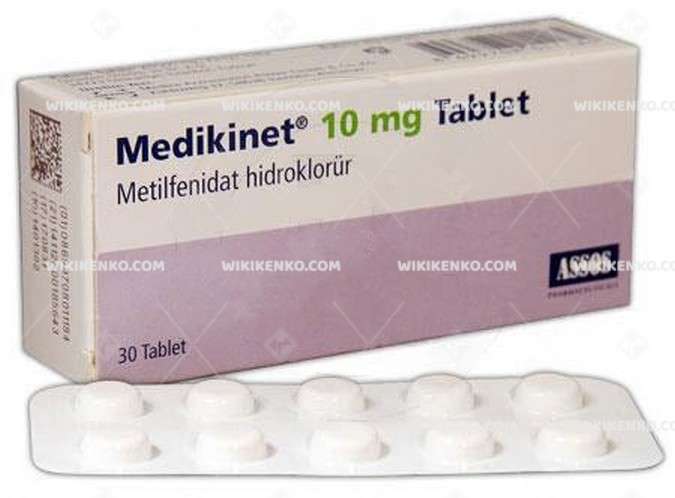
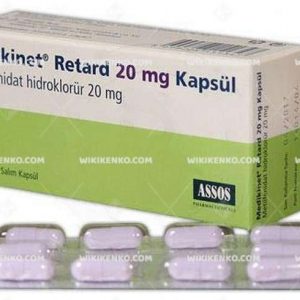
Each Medikinet 10 mg tablet contains 10 mg of methylphenidate hydrochloride, corresponding to 8.65 mg of methylphenidate as the active base. Excipients include lactose (approximately 40.85 mg per tablet) and other standard tablet excipients such as microcrystalline cellulose, pre‑gelatinised starch, calcium hydrogen phosphate and magnesium stearate, which are important in patients with lactose intolerance or specific excipient sensitivities.
Pharmaceutical Form and Physicochemical Characteristics
Medikinet 10 mg is formulated as an immediate‑release oral tablet intended for per‑oral administration, usually in divided daily doses. Methylphenidate hydrochloride is a racemic mixture of d‑ and l‑threo enantiomers, is highly water‑soluble, and is typically present as a white to off‑white crystalline powder compressed into tablets. The immediate‑release design leads to rapid gastrointestinal absorption and a relatively short plasma half‑life compared with modified‑release methylphenidate formulations.
Mechanism of Action and Pharmacodynamics
Central Nervous System Stimulant Activity
Methylphenidate is a CNS stimulant that primarily inhibits the reuptake of dopamine and norepinephrine in the striatum and prefrontal cortex, increasing extracellular catecholamine concentrations at synapses. It binds to the dopamine transporter (DAT) and norepinephrine transporter (NET), resulting in enhanced neurotransmission in brain regions implicated in attention, executive function and impulse control. Clinically, this translates into improved attention, reduced hyperactivity, and decreased impulsivity in appropriately selected patients with ADHD.
Cardiovascular and Other Systemic Effects
Methylphenidate frequently induces modest increases in systolic and diastolic blood pressure and heart rate, with changes ≥10 mmHg in blood pressure reported in clinical trials in children, adolescents, and adults. These haemodynamic effects are usually mild to moderate but may be clinically significant in patients with underlying cardiovascular disease, structural cardiac abnormalities, or hypertension. Methylphenidate may also cause anorexia, insomnia, mild anxiety, and other CNS‑mediated effects, reflecting its stimulant pharmacology.
Pharmacokinetics
Absorption and Distribution
Immediate‑release methylphenidate is rapidly absorbed from the gastrointestinal tract, with peak plasma concentrations typically attained within approximately 1–2 hours after oral administration. Oral bioavailability is limited by significant first‑pass hepatic metabolism, and there is considerable interindividual variability in plasma levels at a given dose. Methylphenidate displays moderate plasma protein binding and distributes widely, including to the CNS, where it exerts its pharmacodynamic effects.
Metabolism and Elimination
Methylphenidate is extensively metabolised, primarily via de‑esterification to ritalinic acid, which is pharmacologically inactive. Only small quantities of hydroxylated metabolites such as hydroxymethylphenidate and hydroxyritalinic acid are present in plasma, and therapeutic activity is attributed almost entirely to the parent compound. The elimination half‑life of immediate‑release methylphenidate is approximately 2 hours, with mean systemic clearance around 0.5–0.6 L/h/kg, and the majority of the dose is excreted in urine as metabolites within 24 hours.
Therapeutic Indications
Medikinet 10 mg tablets are indicated for the treatment of ADHD in children and adolescents aged 6 years and older when non‑pharmacological measures alone are insufficient, and diagnosis has been confirmed according to DSM or ICD criteria by a specialist. In many jurisdictions, methylphenidate is also approved for adults with ADHD who continue to exhibit clinically relevant symptoms and functional impairment, and for whom pharmacotherapy is considered beneficial as part of a comprehensive treatment plan.
Posology and Method of Administration
Dosing must be individualised, beginning with a low dose and titrated upward based on clinical response and tolerability. For immediate‑release methylphenidate, the total daily dose is typically divided into two or three doses given before or with meals to minimise gastrointestinal side effects and optimise daytime symptom control. The maximum recommended daily dose of methylphenidate hydrochloride with Medikinet immediate‑release tablets is 60 mg.
Paediatric and Adult Dosing
In children and adolescents, treatment usually starts at 5 mg once or twice daily, increasing in 5–10 mg increments at weekly intervals, guided by symptom scales, teacher/parent feedback, and adverse effects. Adults may initiate therapy at a similar or slightly higher starting dose, with cautious titration, and require regular monitoring of cardiovascular parameters, psychiatric status, and functional outcomes. Medikinet 10 mg tablet may be used alone as an immediate‑release regimen or in combination with a modified‑release methylphenidate product to tailor symptom coverage across the day.
Contraindications
Medikinet 10 mg is contraindicated in patients with known hypersensitivity to methylphenidate or any excipient, including lactose. It must not be used in patients with glaucoma, pheochromocytoma, severe hypertension, severe cardiovascular disorders (such as cardiomyopathy, life‑threatening arrhythmias, or severe coronary artery disease), or during treatment with non‑selective, irreversible monoamine oxidase inhibitors (MAOIs) or within 14 days of their discontinuation because of the risk of hypertensive crisis. It is also contraindicated in patients with marked anxiety, agitation, severe depression, anorexia nervosa, or a history of drug abuse where stimulant therapy is considered inappropriate.
Warnings and Precautions
Cardiovascular and Cerebrovascular Risk
Before initiation, a thorough cardiovascular history and examination should be performed, including blood pressure and heart rate, and consideration of family history of sudden death or ventricular arrhythmia. During therapy, periodic monitoring of blood pressure and heart rate is mandatory, and treatment should be reconsidered if sustained increases or clinically relevant symptoms such as chest pain, syncope, or unexplained dyspnoea occur. Stimulants may also increase the risk of cerebrovascular events in patients with pre‑existing structural cerebral abnormalities or significant risk factors.
Psychiatric Effects
Methylphenidate can exacerbate pre‑existing psychiatric disorders, including psychosis, bipolar disorder, and anxiety disorders, and may induce or worsen aggression, hostility, tics, or Tourette’s syndrome. New or worsening psychotic or manic symptoms such as hallucinations, delusions, or mood elevation can occur at therapeutic doses, particularly in predisposed individuals, and require consideration of dose reduction or discontinuation. Suicidal ideation and behaviour have been reported in patients with ADHD; careful monitoring and comprehensive psychiatric assessment are advised, especially in those with a history of mood disorders.
Growth, Development, and Long‑Term Use
Long‑term use in children and adolescents may be associated with reduced weight gain and linear growth, necessitating regular monitoring of height, weight, and appetite. Treatment interruption (e.g. “drug holidays”) should be considered at least once yearly to assess the continued need for therapy and to evaluate growth trajectory. There is limited evidence on long‑term cardiovascular outcomes of chronic stimulant exposure in paediatric populations, and clinicians should remain vigilant for evolving safety signals.
Drug Interactions
Methylphenidate may increase plasma concentrations or pharmacodynamic effects of other dopaminergic agents (e.g. levodopa, tricyclic antidepressants) and may antagonise the effects of antihypertensive medications. Co‑administration with dopamine antagonists such as antipsychotics can lead to complex interactions due to opposing effects on dopaminergic neurotransmission. Use with alcohol is not recommended because of potential additive CNS effects and impairment of judgement. Methylphenidate can cause false‑positive results for amphetamines in urine drug screening tests, an important consideration for patients subjected to workplace or sports anti‑doping controls.
Adverse Reactions
The adverse reaction profile of Medikinet 10 mg is consistent with that of immediate‑release methylphenidate and other stimulants.
Table 1. Selected adverse reactions associated with methylphenidate treatment
| System organ class | Very common / common adverse reactions | Notes on clinical relevance |
|---|---|---|
| Nervous system | Headache, insomnia, dizziness, tremor | Reflect CNS stimulant effect; may respond to dose timing or reduction. |
| Psychiatric | Nervousness, anxiety, irritability, agitation, mood lability | Monitor closely; assess for psychosis or mania if severe. |
| Cardiovascular | Tachycardia, palpitations, increased blood pressure | Baseline and periodic BP/HR monitoring required. |
| Gastrointestinal | Decreased appetite, abdominal pain, nausea, dry mouth | Often dose‑related; may contribute to weight loss. |
| Metabolism and nutrition | Weight loss, delayed weight gain | Particularly relevant in children and adolescents. |
Serious but less common adverse reactions include seizures, significant arrhythmias, psychotic symptoms, and severe peripheral vasculopathy (e.g. Raynaud’s phenomenon‑like presentations). Any emergent serious symptom warrants rapid clinical reassessment and consideration of discontinuation or specialist referral.
Overdose
Overdose with methylphenidate may lead to excessive CNS and sympathetic stimulation, presenting with agitation, tremor, hyperreflexia, muscle twitching, confusion, hallucinations, tachycardia, arrhythmias, hypertension, hyperpyrexia, and potentially convulsions or coma. Management is supportive and symptomatic, including airway protection, cardiovascular monitoring, control of agitation and seizures (commonly with benzodiazepines), and consideration of activated charcoal if presentation is early; there is no specific antidote.
Special Populations
Renal and Hepatic Impairment
Formal dose‑adjustment recommendations in renal or hepatic impairment are limited, as methylphenidate is predominantly hepatically metabolised and excreted as inactive metabolites in urine. Caution is advised, with slower titration and close monitoring, particularly in significant hepatic dysfunction where plasma levels could increase.
Pregnancy, Lactation, and Fertility
Data on the use of methylphenidate in pregnancy are limited; animal studies have shown reproductive toxicity at high doses, and use is generally avoided unless the potential benefit justifies possible risk to the fetus. Methylphenidate is excreted in breast milk in low amounts, and a decision should be made whether to discontinue breastfeeding or discontinue the medicinal product, taking into account the importance of the drug to the mother. There is no robust evidence of clinically relevant effects on human fertility at therapeutic doses.
Monitoring and Clinical Management
Effective and safe use of Medikinet 10 mg requires regular, structured clinical follow‑up, including assessment of symptom severity, functional outcomes, adverse effects, blood pressure, heart rate, weight, and height (in growing patients). Treatment should always be embedded within a multimodal management plan encompassing psychoeducation, behavioural interventions, educational support, and where appropriate, psychological therapies. Periodic re‑evaluation of the need for ongoing pharmacotherapy is essential to minimise unnecessary long‑term exposure and to ensure that benefits continue to outweigh risks.
Regulatory and Formulation Considerations
Medikinet 10 mg immediate‑release tablets have been approved in multiple European markets following demonstration of bioequivalence to reference methylphenidate products such as Ritalin in controlled pharmacokinetic studies. Parallel formulations such as Medikinet XL or Medikinet MR provide modified‑release methylphenidate with biphasic release profiles, enabling once‑daily dosing and sustained symptom control over the school or work day. The choice between immediate‑release Medikinet 10 mg and modified‑release products should be individualised, taking into account required duration of action, flexibility of titration, adherence patterns, and potential for misuse or diversion.
Disclaimer: This article is intended for informational and educational purposes for healthcare and pharmaceutical professionals and must not replace the summary of product characteristics, regulatory labelling, or individual clinical judgement in the prescribing and monitoring of Medikinet 10 mg tablets.












Reviews
There are no reviews yet.