
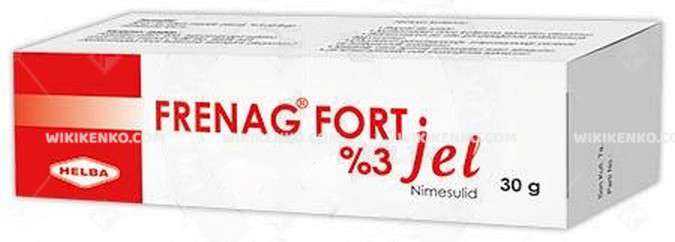
Description
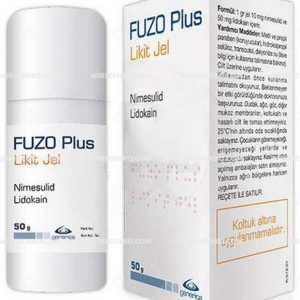
Frenag Fort Gel represents a topical anti-inflammatory medication formulated with Nimesulide as its primary active constituent at a concentration of 0.9 grams. This pharmaceutical preparation belongs to the non-steroidal anti-inflammatory drug (NSAID) category in its topical form, designed primarily for localized application to address various inflammatory musculoskeletal conditions.
While potentially of Turkish origin, this medication exemplifies the pharmaceutical industry’s approach to providing targeted relief for inflammatory conditions through transdermal delivery systems, potentially minimizing systemic side effects commonly associated with oral NSAID administration. The following comprehensive analysis explores the composition, mechanism of action, therapeutic applications, and safety considerations associated with this medicinal product.
Composition and Formulation
Active Ingredient Profile
Nimesulide, the principal therapeutic component of Frenag Fort Gel, belongs to the sulfonanilide class of non-steroidal anti-inflammatory drugs. The formulation contains 0.9 grams of this compound, representing a significant concentration designed to deliver effective anti-inflammatory action through topical application. Nimesulide functions primarily as a selective cyclooxygenase-2 (COX-2) inhibitor, which distinguishes it from many traditional NSAIDs that inhibit both COX-1 and COX-2 enzymes. This selective action forms the foundation of its therapeutic profile, potentially offering anti-inflammatory benefits with reduced gastrointestinal complications compared to non-selective NSAIDs.
Excipient Composition
The gel base of Frenag Fort serves as more than a simple vehicle for the active ingredient. These excipients typically include a combination of penetration enhancers that facilitate transdermal absorption of Nimesulide through the epidermal barrier. Other common components may include stabilizers to maintain chemical integrity, preservatives to prevent microbial contamination, and viscosity regulators that determine the gel’s consistency and spreadability. The formulation process carefully balances these elements to optimize both the pharmaceutical stability of the product and its therapeutic efficacy when applied to affected areas.
Mechanism of Action
Pharmacodynamic Properties
Nimesulide exerts its therapeutic effects primarily through the selective inhibition of the cyclooxygenase-2 (COX-2) enzyme, which plays a crucial role in the inflammatory cascade. By preferentially blocking COX-2 over COX-1, Nimesulide disrupts the production of prostaglandins that mediate pain, inflammation, and fever at the site of tissue injury. This selective inhibition represents a significant pharmacological advancement, as COX-1 maintains physiological functions including gastric mucosal protection and platelet aggregation. The topical application in gel form delivers these anti-inflammatory effects directly to the affected tissue while minimizing systemic circulation.
Transdermal Absorption Dynamics
The gel formulation of Frenag Fort facilitates controlled transdermal absorption of Nimesulide into underlying tissues. When applied to the skin, the active ingredient penetrates through the stratum corneum and epidermis to reach local inflammatory sites in muscles, tendons, and joints. This targeted delivery mechanism allows for higher local concentrations of the medication at the site of inflammation while reducing systemic absorption and associated risks. The extent of percutaneous absorption depends on several factors including the integrity of the skin barrier, application technique, and the specific anatomical location of application.
Therapeutic Applications
Primary Clinical Indications
Frenag Fort Gel finds its principal application in the management of localized inflammatory conditions affecting the musculoskeletal system. The medication demonstrates particular utility in addressing conditions such as tendinitis, characterized by inflammation of tendons often resulting from repetitive movements or overuse. Similarly, it provides therapeutic benefit for bursitis, which involves inflammation of the fluid-filled sacs (bursae) that cushion bones, tendons, and muscles. Athletic injuries involving soft tissue inflammation constitute another important indication, where the gel’s localized anti-inflammatory effects can facilitate recovery and rehabilitation.
Secondary Applications
Beyond its primary indications, Frenag Fort Gel may also demonstrate efficacy in managing symptomatic osteoarthritis affecting accessible joints such as the knees, ankles, and fingers. The medication can temporarily alleviate the inflammatory component of arthralgia (joint pain) when applied regularly to affected areas. Some clinical practices may also employ this preparation as an adjunctive therapy for managing superficial phlebitis or localized post-traumatic inflammation following contusions or sprains, though these applications may vary according to regional medical practices and individual practitioner preferences.
Administration and Dosage Guidelines
Application Methodology
Proper application technique significantly influences the therapeutic efficacy of Frenag Fort Gel. The administration protocol typically involves applying a thin layer of the gel to clean, dry skin overlying the affected area. Gentle massage facilitates absorption and distribution into underlying tissues while stimulating local circulation. The skin should be intact, as application to broken or damaged skin may increase systemic absorption and potentially cause irritation. Healthcare providers generally recommend washing hands thoroughly after application unless the hands themselves constitute the treatment area, thereby preventing unintended transfer to sensitive areas such as the eyes or mucous membranes.
Dosage Recommendations
The standard dosage regimen for Frenag Fort Gel typically involves application to the affected area three to four times daily, depending on the severity of symptoms and professional medical guidance. Each application should use approximately 3-5 centimeters of gel, though this may vary based on the surface area requiring treatment. Continuous use generally should not exceed 7-10 days without medical reassessment, as prolonged application of topical NSAIDs requires monitoring for cumulative effects or development of sensitization. Pediatric dosing, if approved, requires appropriate adjustment and close supervision by healthcare providers specialized in pediatric care.
Safety Profile and Contraindications
Absolute Contraindications
Frenag Fort Gel is absolutely contraindicated in patients with known hypersensitivity to Nimesulide or any component of the formulation. Individuals with a history of asthmatic attacks, urticaria, or allergic-type reactions after taking aspirin or other NSAIDs should likewise avoid this medication due to potential cross-sensitivity. Application to mucous membranes, eyes, or open wounds presents significant contraindications due to enhanced absorption and irritation potential. The gel should not be used concurrently with occlusive dressings that might substantially increase systemic absorption, potentially leading to adverse effects typically associated with oral NSAID administration.
Special Populations Considerations
Pregnant women, particularly in the third trimester, should exercise caution with Frenag Fort Gel, as Nimesulide may affect fetal cardiovascular development if sufficient systemic absorption occurs. Nursing mothers should consider the potential for drug transfer through breast milk if used extensively. Geriatric patients often present with thinner skin that may increase absorption rates, potentially necessitating reduced frequency of application or enhanced monitoring. Individuals with compromised hepatic function warrant particular attention, as even limited systemic absorption might contribute to hepatic stress in predisposed individuals.
Adverse Effects Profile
Local Reactions
The most frequently reported adverse effects associated with Frenag Fort Gel involve localized skin reactions at the application site. These manifestations may include erythema (redness), pruritus (itching), and sensations of burning or stinging upon initial application. Less commonly, contact dermatitis may develop, characterized by more pronounced inflammation, vesicle formation, or eczematous changes. These local reactions typically resolve upon discontinuation of the product but should prompt medical evaluation if persistent or severe. Extended use may occasionally lead to photosensitivity reactions, particularly with exposure to ultraviolet radiation, necessitating sun protection of treated areas.
Systemic Effects
While topical application significantly reduces the risk of systemic adverse effects compared to oral Nimesulide administration, prolonged use over extensive surface areas or compromised skin may result in measurable systemic absorption. Potential systemic effects, though rare with normal topical use, might include gastrointestinal disturbances, headache, or dizziness. The most concerning potential systemic effect involves hepatotoxicity, which has led to regulatory restrictions on oral Nimesulide in numerous countries. Vigilance for signs of liver dysfunction (jaundice, right upper quadrant pain, unexplained fatigue) remains prudent even with topical formulations, particularly during extended therapy.
Drug Interactions
Topical Interaction Considerations
Concurrent application of Frenag Fort Gel with other topical medications on the same skin area may alter the absorption profile of either compound or potentially cause localized incompatibility reactions. Particular caution applies to simultaneous use with other topical products containing penetration enhancers, which might unpredictably increase Nimesulide absorption. Healthcare providers should advise patients to maintain a temporal separation between applications of different topical preparations to minimize interaction potential and ensure optimal therapeutic benefit from each medication without compromising safety.
Systemic Medication Interactions
Though systemic absorption from topical application remains limited under normal circumstances, clinicians should consider potential interactions in patients concurrently taking oral anticoagulants, lithium, methotrexate, or other NSAIDs. Extensive application of Frenag Fort Gel, particularly over large surface areas or for prolonged periods, theoretically could contribute sufficient systemic Nimesulide to enhance bleeding risk with anticoagulants or affect renal clearance of lithium. Similarly, caution applies to patients with renal impairment receiving diuretics or ACE inhibitors, as NSAIDs may diminish the effectiveness of these medications through effects on renal function.
Regulatory Status and Availability
International Regulatory Perspective
The regulatory status of Nimesulide-containing products varies considerably worldwide, reflecting differing risk-benefit assessments by national regulatory authorities. Several European countries have withdrawn oral Nimesulide preparations due to hepatotoxicity concerns, while others maintain restricted approvals with specific limitations. Topical formulations generally face fewer regulatory restrictions due to reduced systemic exposure, though approval patterns remain heterogeneous. In countries where Frenag Fort Gel may be marketed, it typically requires prescription according to local pharmaceutical regulations governing NSAID products.
Prescription Requirements
In most jurisdictions where available, Frenag Fort Gel requires medical prescription, reflecting regulatory concern regarding NSAID safety and the need for appropriate patient selection. Some regions may permit pharmacy-only (behind-the-counter) status under pharmacist supervision without formal prescription. Healthcare systems typically implement electronic monitoring of dispensing patterns to identify unusual utilization patterns that might indicate misuse or diversion. Patients should recognize that self-medication with internationally sourced products circumvents important safety mechanisms established by national regulatory frameworks.
Pharmaceutical Storage and Stability
Storage Requirements
Optimal preservation of Frenag Fort Gel’s therapeutic properties necessitates specific storage conditions. The product should generally be maintained at controlled room temperature (typically 15-30°C or 59-86°F), protected from direct sunlight and excessive heat. Exposure to extreme temperatures may compromise the gel’s physical stability and potentially affect the chemical integrity of Nimesulide. The container should remain tightly closed when not in use to prevent evaporation of volatile components and contamination. Patients should be advised against refrigeration unless specifically directed by the manufacturer, as low temperatures might adversely affect the gel’s consistency and application properties.
Shelf Life Considerations
Frenag Fort Gel typically carries an expiration date reflecting stability testing under recommended storage conditions. Beyond this date, the manufacturer cannot guarantee the product’s safety, potency, or physical characteristics. Visual inspection before application should reveal a homogeneous gel without separation, discoloration, or unusual odor, which might indicate physicochemical deterioration. Patients should discard expired product appropriately according to local pharmaceutical waste guidelines rather than attempting to extend usage beyond the validated shelf life.
Comparison with Alternative Treatments
Relative Positioning Among Topical NSAIDs
When positioned within the therapeutic landscape of topical anti-inflammatory medications, Frenag Fort Gel presents a distinct pharmacological profile based on its Nimesulide content. Compared to diclofenac gel formulations, which represent one of the most widely studied topical NSAIDs, Nimesulide-based preparations may offer comparable efficacy with potentially different tolerability profiles.
Ketoprofen gels demonstrate strong penetration into underlying tissues but carry higher photosensitivity risk. Ibuprofen topical products typically feature excellent skin tolerance but possibly less potent anti-inflammatory action. These comparative characteristics influence prescribing decisions based on individual patient factors and specific clinical scenarios.
Comparative Advantage Considerations
The potential advantages of Frenag Fort Gel primarily derive from Nimesulide’s preferential COX-2 inhibition, which theoretically offers effective anti-inflammatory action with reduced impact on physiological prostaglandin production. This selectivity may contribute to favorable local tolerability for some patients who experience irritation with other topical NSAIDs.
However, clinicians must balance these potential benefits against the background of regulatory concerns regarding Nimesulide’s safety profile, even recognizing the significantly reduced systemic exposure associated with topical versus oral administration routes. Treatment selection ultimately requires individualized assessment of patient-specific factors, including prior response to other topical analgesics.
Key Information Table
| Parameter | Details |
|---|---|
| Active Ingredient | Nimesulide |
| Concentration | 0.9 grams |
| Pharmaceutical Form | Topical gel |
| Primary Mechanism | Selective COX-2 inhibition |
| Main Indications | Tendinitis, bursitis, soft tissue inflammation, localized joint pain |
| Standard Dosage | Apply 3-4 times daily to affected area |
| Treatment Duration | Generally 7-10 days, not exceeding 2 weeks without medical review |
| Common Side Effects | Local irritation, erythema, pruritus, burning sensation |
| Major Contraindications | Hypersensitivity to NSAIDs, damaged skin, third-trimester pregnancy |
| Pregnancy Category | C – Use only if benefit outweighs potential risk |
| Special Precautions | Avoid occlusive dressings, limit sun exposure to treated areas |
| Storage Conditions | Store at room temperature (15-30°C), protect from light |
Conclusion
Frenag Fort Gel represents a specific pharmaceutical approach to managing localized inflammatory conditions through targeted delivery of Nimesulide in a topical formulation. The preparation offers potential advantages in terms of directed anti-inflammatory action with reduced systemic exposure compared to oral NSAID administration. However, appropriate utilization requires understanding of both its therapeutic potential and limitations, including recognition of contraindications and monitoring for adverse effects.
Healthcare providers should incorporate this medication within comprehensive treatment approaches tailored to individual patient needs and circumstances, maintaining awareness of alternative therapeutic options. As with all pharmacological interventions, optimal outcomes depend upon appropriate patient selection, adherence to recommended application protocols, and ongoing assessment of benefit-risk balance throughout the treatment course.











Reviews
There are no reviews yet.