
Description
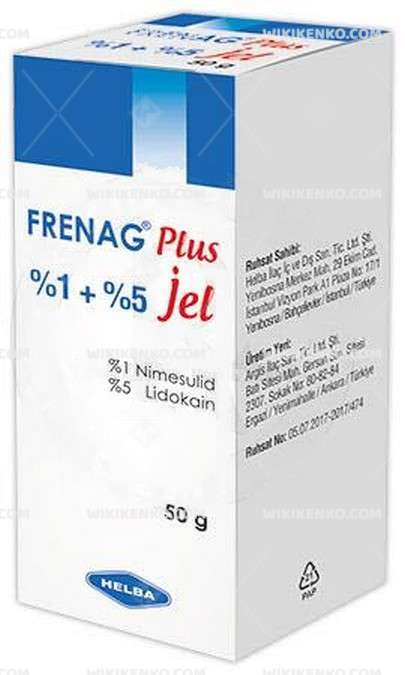
Frenag Plus Gel represents a topical pharmaceutical formulation containing two active ingredients: Nimesulide (1%) and Lidocaine (5%). This dual-action medication combines the anti-inflammatory properties of nimesulide with the local anesthetic effects of lidocaine, providing a potentially effective option for various inflammatory and pain conditions. The following comprehensive analysis explores the pharmacological properties, clinical applications, safety considerations, and practical usage guidelines for this medication, which appears to be available in Turkish pharmaceutical markets among others.
Composition and Pharmacological Classification
Frenag Plus Gel contains two pharmacologically distinct active ingredients that work through different mechanisms to provide therapeutic benefit. Nimesulide, present at a 1% concentration, belongs to the class of non-steroidal anti-inflammatory drugs (NSAIDs) that selectively inhibits cyclooxygenase-2 (COX-2), an enzyme responsible for inflammation and pain. Unlike traditional NSAIDs, nimesulide demonstrates preferential COX-2 selectivity, potentially offering anti-inflammatory action with reduced gastrointestinal side effects when used topically. The concentration of 1% is sufficient to provide local anti-inflammatory effects while minimizing systemic absorption through the skin.
Lidocaine, formulated at 5% concentration, functions as a potent local anesthetic that blocks sodium channels in neuronal membranes, thereby preventing the generation and conduction of pain signals. This higher concentration of lidocaine ensures rapid onset of anesthetic action, typically providing relief within minutes of application. The combination of these two active ingredients in a gel formulation allows for direct application to affected areas with enhanced penetration through the skin barrier, facilitating targeted delivery to underlying tissues.
Mechanism of Action
Anti-inflammatory Pathway
Nimesulide exerts its therapeutic effect primarily through the selective inhibition of the COX-2 enzyme, which plays a crucial role in the synthesis of prostaglandins-key mediators of inflammation, pain, and fever. By preferentially targeting COX-2 over COX-1, nimesulide reduces the production of inflammatory prostaglandins at the site of application. This selective inhibition leads to decreased local inflammation, reduced swelling, and diminished pain sensitization in the peripheral tissues. Additionally, nimesulide demonstrates other anti-inflammatory mechanisms, including inhibition of neutrophil activation, reduction of hyperalgesia, and free radical scavenging properties, all contributing to its efficacy in managing inflammatory conditions.
Analgesic Component
The lidocaine component in Frenag Plus Gel operates through a distinct mechanism by temporarily blocking voltage-gated sodium channels in neuronal membranes. This blockade prevents the initiation and propagation of action potentials in sensory nerves, effectively interrupting pain signal transmission to the central nervous system. When applied topically, lidocaine penetrates the skin and produces a transient numbing effect in superficial and, to some extent, deeper tissues. The 5% concentration ensures sufficient local anesthetic effect without significant systemic absorption, providing rapid pain relief typically within 2-5 minutes of application and lasting for approximately 1-2 hours, depending on individual factors and application site.
Therapeutic Indications and Clinical Applications
Frenag Plus Gel is primarily indicated for the symptomatic relief of acute pain and inflammation associated with various musculoskeletal and soft tissue conditions. The dual anti-inflammatory and analgesic properties make it suitable for multiple clinical scenarios. Acute sports injuries represent a primary indication, including sprains, strains, and contusions where rapid pain control and inflammation reduction are desired. The gel may also be beneficial for managing localized inflammatory conditions such as tendinitis, bursitis, and mild to moderate osteoarthritis affecting accessible joints.
In clinical practice, Frenag Plus Gel may find application in post-traumatic pain management, offering temporary relief while underlying injuries heal. The formulation may also be considered for certain types of neuropathic pain where topical anesthetics provide benefit, including post-herpetic neuralgia or localized peripheral neuropathies. However, it should be noted that chronic or deep-seated pain conditions may require additional or alternative therapeutic approaches, as topical preparations have limited depth of penetration and duration of action.
Dosage and Administration Guidelines
Proper application technique significantly impacts the efficacy and safety of Frenag Plus Gel. The recommended approach involves applying a thin layer of gel to the affected area, typically 2-4 times daily depending on the severity of symptoms and clinical response. The gel should be gently massaged into the skin until completely absorbed, which enhances penetration and distribution into underlying tissues. For optimal results, application should occur on clean, dry skin, avoiding areas with open wounds, mucous membranes, or irritated skin.
The duration of treatment with Frenag Plus Gel depends on the underlying condition but generally should not exceed 7-10 consecutive days without medical supervision. Prolonged use increases the risk of local adverse reactions and potential systemic absorption. If symptoms persist beyond 3-5 days of regular application, medical consultation is strongly advised to reassess the condition and treatment approach. For acute conditions, shorter treatment courses of 3-5 days are often sufficient to manage symptoms while the underlying condition resolves.
Safety Profile and Adverse Effects
Local Reactions
While generally well-tolerated when used as directed, Frenag Plus Gel may cause various local skin reactions in some individuals. The most commonly reported reactions include mild and transient erythema (redness), pruritus (itching), and burning or stinging sensation at the application site. These effects typically arise shortly after application and resolve spontaneously within minutes to hours without specific intervention. Less frequently, patients may experience contact dermatitis, particularly in those with known sensitivity to either active ingredient or any excipients in the formulation. Prolonged or excessive use may lead to skin dryness, irritation, or exacerbation of pre-existing dermatological conditions.
Systemic Considerations
Despite the topical route of administration, systemic absorption of both nimesulide and lidocaine remains possible, particularly when applied to large surface areas, used frequently, applied under occlusive dressings, or used on damaged skin. Systemic absorption of nimesulide could potentially lead to NSAID-related adverse effects, including gastrointestinal disturbances, although the risk is substantially lower than with oral administration. Systemic lidocaine absorption may cause central nervous system effects (dizziness, confusion) or cardiovascular effects (arrhythmias, hypotension) in rare cases of significant absorption or in particularly sensitive individuals. However, when used as directed on limited areas, the risk of clinically significant systemic effects remains minimal.
Contraindications and Special Precautions
Several important contraindications exist for Frenag Plus Gel that warrant careful consideration before use. The gel should not be applied to broken or damaged skin, as this may increase systemic absorption of the active ingredients, potentially leading to adverse effects. Patients with known hypersensitivity to nimesulide, lidocaine, or other NSAIDs should avoid using this product due to the risk of allergic reactions. Similarly, individuals with aspirin-induced asthma or urticaria should exercise caution, as cross-sensitivity with nimesulide is possible.
Special precautions are necessary for specific patient populations. Pregnant women, especially in the third trimester, should consult healthcare providers before using the gel due to potential risks associated with NSAID use during pregnancy. Nursing mothers should also seek medical advice, as both active ingredients may be excreted in breast milk. For pediatric patients, the safety and efficacy profile is not well established, necessitating careful risk-benefit assessment before use in children. Elderly patients or those with renal or hepatic impairment may have altered drug metabolism, potentially increasing susceptibility to adverse effects even with topical application.
Pharmacokinetics and Drug Interactions
Absorption and Distribution
When applied topically, both nimesulide and lidocaine exhibit limited systemic bioavailability compared to oral or parenteral administration. The gel formulation facilitates penetration through the stratum corneum, allowing for localized action in underlying tissues. Nimesulide, being moderately lipophilic, can penetrate the skin barrier and reach inflamed tissues, though systemic absorption remains relatively low under normal conditions of use. Lidocaine demonstrates more rapid penetration through intact skin, achieving therapeutic concentrations in superficial and subcutaneous tissues within minutes of application while maintaining minimal systemic levels.
Potential Drug Interactions
Although significant drug interactions are uncommon with topical formulations due to limited systemic absorption, certain precautions remain warranted. Concurrent use with other topical medications on the same area should be avoided unless specifically directed by a healthcare provider, as this may alter absorption patterns or cause local incompatibilities. Patients taking oral anticoagulants should exercise caution, as even limited systemic absorption of nimesulide could theoretically potentiate anticoagulant effects. Similarly, those using systemic local anesthetics or antiarrhythmic medications should be monitored for potential additive effects if significant lidocaine absorption occurs.
Clinical Efficacy and Comparative Analysis
The clinical efficacy of Frenag Plus Gel derives from the complementary actions of its active components. The nimesulide component provides anti-inflammatory effects that address the underlying pathophysiology of many pain conditions, while the lidocaine component offers immediate analgesia through neural blockade. This dual approach potentially offers more comprehensive symptom management than single-agent preparations. The gel formulation further enhances efficacy by providing appropriate rheological properties that facilitate application and absorption.
When compared to single-agent topical NSAIDs, Frenag Plus Gel may offer the advantage of more rapid onset of action due to the lidocaine component. Similarly, when compared to pure topical anesthetics, the addition of nimesulide provides anti-inflammatory benefits that may improve overall clinical outcomes. However, it should be noted that individual response varies considerably based on the specific condition being treated, the depth of the affected tissues, and individual factors affecting drug penetration and response.
Product Characteristics and Proper Storage
Frenag Plus Gel typically presents as a clear to slightly opaque gel with characteristic pharmaceutical odor, packaged in aluminum tubes or similar appropriate containers to maintain product integrity and prevent contamination. The product should be stored at controlled room temperature, generally between 15-30°C (59-86°F), away from direct sunlight, heat sources, and humidity. Exposure to extreme temperatures may affect the stability and therapeutic efficacy of the formulation, potentially leading to degradation of active ingredients or alterations in the gel’s physical properties.
Once opened, the product should be used within the timeframe specified by the manufacturer (typically 3-6 months) to ensure optimal efficacy and safety. Proper closure of the container after each use prevents contamination and premature drying. Patients should regularly inspect the gel for changes in color, consistency, or odor that might indicate deterioration, and discontinue use if such changes occur. The medication should be kept out of reach of children and stored separately from other topical products to avoid accidental misuse.
Patient Education and Usage Recommendations
Effective patient education significantly enhances the safe and efficacious use of Frenag Plus Gel. Patients should be instructed to wash and dry hands thoroughly before and after application unless the hands are the treatment site. The gel should be applied in a thin, even layer and massaged gently until absorbed, avoiding excessive pressure that might exacerbate underlying tissue injury. Patients should be advised against covering the treated area with occlusive dressings unless specifically directed by a healthcare provider, as this may increase systemic absorption and the risk of adverse effects.
Additionally, patients should be informed about the importance of adhering to recommended dosing intervals and duration of treatment. Concurrent use of heat therapy should be approached cautiously, as increased blood flow may enhance systemic absorption. Patients should be encouraged to monitor for any adverse reactions and seek medical attention if they experience persistent or worsening local reactions, unusual systemic symptoms, or lack of symptomatic improvement after a reasonable treatment period.
Summary of Key Information
| Parameter | Details |
|---|---|
| Active Ingredients | Nimesulide 1%, Lidocaine 5% |
| Pharmaceutical Form | Topical gel |
| Therapeutic Classification | Topical NSAID + Local anesthetic |
| Primary Indications | Acute musculoskeletal pain, sports injuries, tendinitis, bursitis, localized joint pain |
| Dosage | Thin layer applied to affected area 2-4 times daily |
| Method of Application | Apply to clean, dry skin and massage gently until absorbed |
| Duration of Treatment | 3-7 days for acute conditions; not to exceed 10 days without medical supervision |
| Common Side Effects | Local erythema, pruritus, burning sensation, contact dermatitis |
| Contraindications | Hypersensitivity to active ingredients, broken skin, third trimester of pregnancy |
| Special Precautions | Use with caution in children, elderly, pregnant women, and patients with renal/hepatic impairment |
| Storage Conditions | Store at room temperature (15-30°C), protect from light and moisture |
| Regulatory Status | Prescription medication (may vary by country) |
Conclusion and Clinical Perspectives
Frenag Plus Gel represents a multifaceted approach to managing localized pain and inflammation through the combined actions of nimesulide and lidocaine in a topical formulation. This combination potentially offers advantages over single-agent preparations by addressing both inflammatory processes and pain perception simultaneously. The topical route of administration provides targeted relief while minimizing systemic exposure and associated risks compared to oral anti-inflammatory medications.
Healthcare providers should consider Frenag Plus Gel as part of a comprehensive treatment approach for appropriate acute pain conditions, recognizing both its potential benefits and limitations. Patient selection, education regarding proper application techniques, and vigilant monitoring for adverse effects remain essential components of successful therapy. Further clinical research may help define optimal treatment protocols, specific patient populations most likely to benefit, and potential applications in additional clinical scenarios. As with all pharmacological interventions, individualized treatment decisions should balance efficacy considerations with patient-specific risk factors and preferences.












Reviews
There are no reviews yet.