

Description
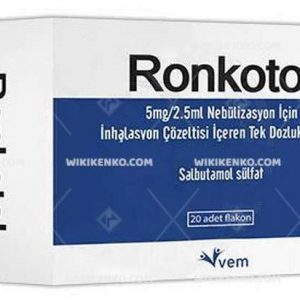
Ronkotol is a prescription medication containing salbutamol (also known as albuterol), a bronchodilator used in the treatment of respiratory conditions such as asthma and chronic obstructive pulmonary disease (COPD). This nebulization solution is specifically formulated for inhalation via a nebulizer device, delivering medication directly to the airways to provide relief from bronchospasm and associated breathing difficulties. Each 2.5 ml single-dose vial contains 3.0 mg of salbutamol sulfate, which is equivalent to 2.5 mg of salbutamol, enabling targeted therapy for patients experiencing respiratory distress.
Composition and Pharmaceutical Form
Ronkotol is available as a sterile inhalation solution packaged in single-dose plastic vials (flakons). Each 2.5 ml vial contains the active ingredient salbutamol sulfate, which is equivalent to 2.5 mg of salbutamol. The formulation also includes supporting excipients such as sodium chloride, sulfuric acid (for pH adjustment), and water for injection. This solution is specifically designed for nebulization, a process that converts the liquid medication into a fine mist that can be inhaled directly into the lungs through a mouthpiece or mask.
Mechanism of Action
As a selective beta2-adrenergic receptor agonist, salbutamol works by binding to beta2 receptors on the surface of airway smooth muscle cells. This binding activates adenylate cyclase, which increases the levels of cyclic AMP (cAMP) within the cells. The elevated cAMP levels lead to the activation of protein kinase A (PKA), which phosphorylates target proteins responsible for relaxing smooth muscle cells. The result is bronchodilation-the widening of the airways-which facilitates improved airflow to and from the lungs.
The medication begins to work within minutes after administration, providing rapid relief from symptoms such as wheezing, shortness of breath, and chest tightness. This quick onset of action makes Ronkotol particularly valuable for managing acute episodes of bronchospasm.
Therapeutic Indications
Management of Asthma
Ronkotol is primarily indicated for the relief of bronchospasm in patients with asthma. It provides rapid bronchodilation, making it an effective rescue medication during acute asthma attacks. The medication helps to alleviate symptoms such as wheezing, shortness of breath, and chest tightness by relaxing the constricted airways.
Treatment of COPD
For patients with chronic obstructive pulmonary disease, Ronkotol serves as a reliever medication to reduce symptoms and improve breathing during exacerbations12. While not a cure for COPD, the medication can significantly improve quality of life by facilitating easier breathing during symptomatic periods.
Prevention of Exercise-Induced Bronchospasm
Ronkotol may also be prescribed for use before physical activity to prevent exercise-induced bronchospasm. This prophylactic use allows individuals with reactive airways to participate in physical activities with reduced risk of respiratory distress.
Dosage and Administration
Administration Method
Ronkotol is administered exclusively through nebulization, using a device called a nebulizer that converts the liquid medication into a fine mist for inhalation. It should never be injected or ingested orally. The nebulizer creates an aerosol that can be inhaled through a mouthpiece, face mask, or T-piece depending on the patient’s needs and preferences.
Standard Dosage Guidelines
For adults and adolescents, the initial recommended dose is 2.5 mg (one vial) administered via nebulization. Depending on the severity of symptoms and individual response, the dose may be increased up to 5 mg. Treatment can be repeated up to four times daily as needed, resulting in a standard maximum daily dose of 20 mg.
In cases of severe airway obstruction, higher doses up to 40 mg daily may be administered under strict medical supervision in a hospital setting.
Pediatric Dosage
For children aged 4-11 years, the recommended dose is 2.5 mg to 5 mg, which can be administered up to four times daily. The clinical efficacy of Ronkotol in children younger than 18 months is not well established, and alternative pharmaceutical forms may be more appropriate for very young children.
Special Populations and Considerations
Elderly Patients
No specific dosage adjustments are generally required for elderly patients using Ronkotol. However, elderly individuals, particularly those with cardiovascular conditions, should be monitored closely for potential adverse effects.
Pregnancy and Breastfeeding
The use of Ronkotol during pregnancy should be based on a careful assessment of benefits versus risks. Limited data is available regarding the safety of salbutamol during pregnancy, though it has been used for years without obvious adverse effects on the developing fetus. Consult a healthcare provider before using during pregnancy or while breastfeeding.
Renal and Hepatic Impairment
No specific information has been established regarding dosage adjustments for patients with kidney or liver impairment. These patients should be monitored closely when using Ronkotol.
Side Effects
Like all medications, Ronkotol can cause side effects, although not everyone experiences them. Understanding potential adverse reactions is important for proper management and monitoring.
Common Side Effects
Frequently reported side effects of salbutamol nebulization include:
-
Tremor, particularly in the hands
-
Nervousness or anxiety
-
Headache
-
Tachycardia (rapid heartbeat)
-
Palpitations
-
Muscle cramps
-
Dizziness
Less Common Side Effects
Less frequently reported side effects include:
-
Nausea
-
Throat irritation
-
Chest discomfort or pain
-
Cough
-
Insomnia
-
Hyperactivity
-
Temporary decrease in blood potassium levels (hypokalemia)
Rare but Serious Side Effects
In rare cases, more serious adverse reactions may occur, requiring immediate medical attention:
-
Severe allergic reactions (anaphylaxis)
-
Paradoxical bronchospasm (worsening of breathing difficulties after using the medication)
-
Significant drops in blood potassium levels (severe hypokalemia)
-
Cardiac arrhythmias
-
Hypoglycemia or hyperglycemia
Contraindications and Precautions
Ronkotol is contraindicated in patients with known hypersensitivity to salbutamol or any of the excipients in the formulation.
-
Ronkotol should be used with caution in patients with cardiovascular disorders, including coronary insufficiency, cardiac arrhythmias, and hypertension
-
Patients with diabetes should monitor blood glucose levels, as salbutamol can cause transient increases in blood sugar
-
Patients with hyperthyroidism should be monitored closely
-
Paradoxical bronchospasm may occur, characterized by increased wheezing after administration
-
The medication should be used in a well-ventilated room, as some vapor may escape into the air
Drug Interactions
Ronkotol may interact with various medications, potentially affecting either its efficacy or safety profile:
-
Beta-blockers: May antagonize the effects of salbutamol and generally should be avoided
-
Non-selective beta-blockers (like propranolol): May cause severe bronchospasm in asthmatic patients
-
Corticosteroids: Generally have complementary effects and are often used together in asthma management
-
Diuretics: May exacerbate potassium loss
-
MAO inhibitors and tricyclic antidepressants: May potentiate cardiovascular effects
Storage and Handling
Ronkotol should be stored at room temperature and protected from light and excessive heat. The vials should be kept in their original packaging until ready for use. Once a vial is opened, it should be used immediately, and any unused portion should be discarded. The medication should not be used after the expiration date printed on the packaging.
Summary Table
| Feature | Information |
|---|---|
| Product Name | Ronkotol 2.5 mg/2.5 ml Nebulization for Inhalation Solution |
| Active Ingredient | Salbutamol (as sulfate) |
| Strength | 2.5 mg salbutamol (equivalent to 3.0 mg salbutamol sulfate) per 2.5 ml vial |
| Pharmaceutical Form | Solution for nebulization |
| Primary Uses | Treatment of bronchospasm in asthma and COPD; Prevention of exercise-induced bronchospasm |
| Mechanism of Action | Selective beta2-adrenergic receptor agonist that relaxes bronchial smooth muscle |
| Standard Adult Dosage | Initial dose: 2.5 mg by nebulization; May increase to 5 mg; Up to 4 times daily |
| Pediatric Dosage | Children 4-11 years: 2.5-5 mg up to 4 times daily |
| Maximum Daily Dose | Regular use: 20 mg/day; Severe cases (hospital setting): Up to 40 mg/day |
| Administration Method | Via nebulizer only; Should not be injected or ingested |
| Common Side Effects | Tremor, nervousness, headache, tachycardia, palpitations, muscle cramps |
| Serious Side Effects | Severe allergic reactions, paradoxical bronchospasm, significant hypokalemia |
| Contraindications | Hypersensitivity to salbutamol or any excipients |
| Precautions | Use with caution in cardiovascular disorders, diabetes, hyperthyroidism |
| Drug Interactions | Beta-blockers, diuretics, MAO inhibitors, tricyclic antidepressants |
| Storage | Room temperature, protected from light and heat |
Conclusion
Ronkotol Nebulization Solution represents an important therapeutic option for patients suffering from respiratory conditions characterized by bronchospasm. With its active ingredient salbutamol, it provides rapid relief from breathing difficulties by relaxing airway smooth muscles and improving airflow. While generally well-tolerated, awareness of potential side effects, contraindications, and drug interactions is essential for safe and effective use.
Patients should always follow their healthcare provider’s instructions regarding proper dosage and administration techniques to maximize benefits while minimizing risks. For any questions or concerns about Ronkotol or its use, consulting with a healthcare provider is recommended.











Reviews
There are no reviews yet.