
Description
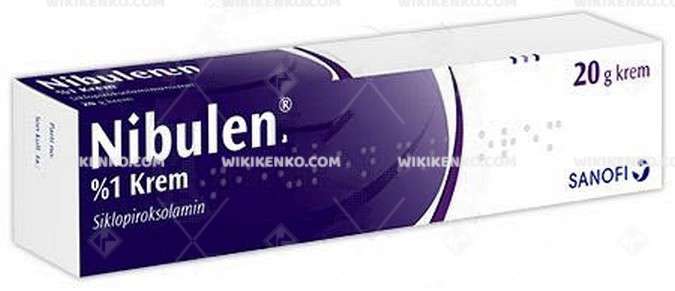
Nibulen Cream is a potent topical antifungal medication containing cyclopiroxolamine (also known as ciclopirox) as its active pharmaceutical ingredient. This medication, which appears to originate from Turkey, is designed to address various dermatological fungal infections by inhibiting fungal growth or directly eliminating the causative organisms. The formulation combines effective antifungal properties with anti-inflammatory benefits, making it a valuable therapeutic option for patients experiencing fungal skin conditions. This comprehensive article explores the medication’s composition, mechanism of action, therapeutic applications, administration guidelines, and safety profile.
Composition and Formulation
Nibulen Cream contains cyclopiroxolamine at a concentration of 10 mg per gram (1%) as its primary active ingredient. The medication is formulated as an oil-in-water emulsion, which facilitates optimal penetration into the affected skin tissue, ensuring that the active compound reaches the target areas effectively. The cream includes benzyl alcohol, which serves as a preservative to maintain the product’s stability and extend its shelf life. This carefully designed formulation enables the medication to achieve its therapeutic effects while providing a suitable texture for topical application.
Active Ingredient Properties
Cyclopiroxolamine belongs to the hydroxypyridone class of antifungal agents and possesses a broad-spectrum antifungal activity against various pathogenic fungi. Beyond its primary antifungal properties, cyclopiroxolamine also demonstrates notable anti-inflammatory characteristics, which contribute to its therapeutic effectiveness in treating inflammatory skin conditions with fungal involvement. This dual action makes the medication particularly valuable for addressing both the infectious agent and the accompanying inflammatory response.
Mechanism of Action
Nibulen Cream’s efficacy stems from cyclopiroxolamine’s unique mechanism of action, which differs from many other antifungal medications. The active ingredient works primarily through the chelation of polyvalent metal cations, particularly iron and aluminum, which function as essential cofactors for various fungal enzymes. By chelating these metallic ions, cyclopiroxolamine disrupts critical enzyme systems within fungal cells, interfering with their energy production processes and cellular repair mechanisms.
Anti-inflammatory Effects
In addition to its antifungal activity, cyclopiroxolamine inhibits inflammatory enzymes such as 5-lipoxygenase and cyclooxygenase, which are involved in producing inflammatory mediators. This anti-inflammatory action helps alleviate symptoms like itching, redness, and irritation that often accompany fungal infections, providing patients with more comprehensive symptomatic relief. The combination of antifungal and anti-inflammatory properties makes Nibulen Cream particularly effective for conditions where inflammation exacerbates the patient’s discomfort.
Indications and Uses
Nibulen Cream is primarily indicated for the topical treatment of various dermatological fungal infections. These include:
Dermatophyte Infections
The medication is effective against common dermatophyte infections including tinea corporis (ringworm of the body), tinea pedis (athlete’s foot), and tinea cruris (jock itch). These conditions, characterized by itchy, scaly, or red skin with distinct borders, respond well to the antifungal action of cyclopiroxolamine.
Yeast Infections
Nibulen Cream is also indicated for the treatment of yeast infections, particularly those caused by Candida species. This includes cutaneous candidiasis manifesting on various body sites. For female patients, specialized formulations like Nibulen Vaginal Cream are designed specifically for vulvovaginal candidiasis.
Other Fungal Dermatological Conditions
The medication may be prescribed for “sun fungus” (tinea versicolor; pityriasis versicolor) and for treating seborrheic dermatitis when in gel formulation. Some formulations of Nibulen are also used for treating fungal nail infections (tinea unguium) when applied as a topical solution or nail lacquer.
Dosage and Administration
Proper application of Nibulen Cream is essential for achieving optimal therapeutic outcomes. While specific dosage regimens should be determined by healthcare providers based on individual patient needs and the condition being treated, there are general guidelines for application.
General Application Guidelines
The cream should be applied thinly to the affected area and surrounding skin, typically once or twice daily as directed by a healthcare professional. For best results, the affected area should be gently cleansed and dried before application. Treatment duration varies according to the infection type and severity but generally continues for 1-2 weeks after symptomatic improvement to ensure complete eradication of the fungal pathogen.
Special Administration Considerations
For maximum effectiveness, the cream should be applied at times when it will remain undisturbed, such as before bedtime, to allow adequate absorption. Patients should avoid covering the treated area with occlusive dressings unless specifically instructed by their healthcare provider, as this might alter absorption characteristics and increase the risk of side effects.
Side Effects and Safety Precautions
While Nibulen Cream is generally well-tolerated when used as directed, patients should be aware of potential adverse reactions that may occur during treatment.
Common Side Effects
The most frequently reported side effects include mild and transient local reactions such as irritation, burning sensation, redness, or dryness at the application site. These symptoms are typically self-limiting and resolve without requiring discontinuation of treatment.
Safety Considerations
Nibulen Cream should not be applied to broken skin or severely inflamed areas without explicit medical direction. Patients with known hypersensitivity to cyclopiroxolamine or any component of the formulation should avoid using this medication. If signs of an allergic reaction (severe itching, rash, swelling) occur, the patient should discontinue use immediately and seek medical attention.
Drug Interactions
When applied to genital areas, Nibulen Cream may reduce the efficacy of latex products such as condoms, potentially compromising their reliability. This interaction persists throughout the treatment period, and appropriate alternative contraceptive measures should be considered during this time.
Benefits and Clinical Efficacy
The principal benefits of Nibulen Cream derive from its dual-action profile, providing both antifungal and anti-inflammatory effects. This combined approach addresses not only the underlying infection but also provides symptomatic relief from associated discomfort.
Therapeutic Advantages
The oil-in-water emulsion formulation enhances the cream’s ability to penetrate affected tissues, facilitating rapid and even distribution of the active ingredient. This results in quicker symptomatic relief and more efficient targeting of the infecting organisms. Additionally, the inclusion of preservatives ensures formulation stability, providing consistent therapeutic outcomes throughout the product’s shelf life.
Evidence of Effectiveness
Clinical evidence supports the effectiveness of cyclopiroxolamine in treating various dermatological fungal infections. Studies have shown that it provides significant improvement in moderate inflammatory fungal skin conditions, with noticeable reduction in symptoms when used as directed.
Regulatory Context
Nibulen Cream appears to be regulated by the Turkish Medicines and Medical Devices Agency (TMMDA), the highest sanitary authority in Turkey for medical safety concerning medicines and health products. This regulatory oversight ensures that the medication meets established standards for safety, efficacy, and quality. The TMMDA enforces regulations regarding pharmaceutical products, including proper labeling, approved indications, and quality control measures.
The table below summarizes essential information about Nibulen Cream:
| Parameter | Details |
|---|---|
| Active Ingredient | Cyclopiroxolamine (Ciclopirox) 10 mg/g (1%) |
| Formulation | Oil-in-water emulsion with benzyl alcohol as preservative |
| Primary Indications | Tinea corporis (ringworm), Tinea pedis (athlete’s foot), Tinea cruris (jock itch), Tinea versicolor, Candidal skin infections |
| Mechanism of Action | Chelation of essential metal ions in fungal cells; disruption of enzyme systems; anti-inflammatory properties |
| Dosage | Apply thin layer to affected area and surrounding skin 1-2 times daily as directed by healthcare provider |
| Treatment Duration | Continue application until complete resolution of infection, typically 1-2 weeks beyond symptomatic improvement |
| Common Side Effects | Local irritation, burning sensation, redness, dryness at application site |
| Contraindications | Known hypersensitivity to cyclopiroxolamine or formulation components; caution on broken or severely inflamed skin |
| Storage Conditions | Store at or below 25°C in original container |
| Prescription Status | Available by prescription only |
| Benefits | Dual antifungal and anti-inflammatory action; effective penetration; relief from symptoms including itching and irritation |
Conclusion
Nibulen Cream represents an effective therapeutic option for patients suffering from various fungal skin infections. Its active ingredient, cyclopiroxolamine, provides a dual mechanism of action that addresses both the fungal pathogen and the inflammatory response, offering comprehensive treatment for affected individuals. When used according to medical guidance, this medication can effectively resolve common dermatological fungal infections while providing symptomatic relief.
Healthcare providers should consider individual patient factors when prescribing this medication, including the specific infection type, severity, and any patient-specific considerations that might influence treatment outcomes. Patients using Nibulen Cream should adhere to the prescribed regimen and maintain communication with their healthcare provider regarding treatment progress or any adverse effects experienced during therapy.











Reviews
There are no reviews yet.