
Description
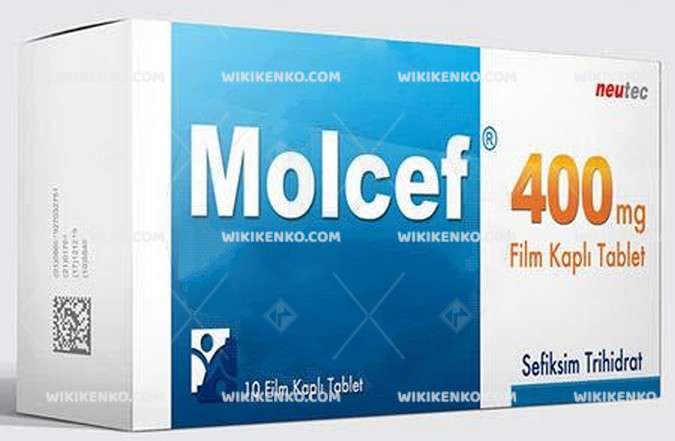
Molcef Film Coated Tablet 400MG is a potent antibiotic medication containing cefixime trihydrate as its active pharmaceutical ingredient. This comprehensive overview provides essential information about this medication, focusing on its composition, therapeutic uses, dosage recommendations, and safety considerations.
Cefixime belongs to the third-generation cephalosporin family of antibiotics, which are renowned for their broad-spectrum activity against various bacterial pathogens. This article explores the pharmacological properties and clinical applications of Molcef 400MG tablets in treating bacterial infections.
Composition and Pharmaceutical Form
Molcef is available as white to off-white, film-coated, capsule-shaped tablets with beveled edges and a divided score line on each side. Each film-coated tablet contains 447.67 mg of cefixime trihydrate, which is equivalent to 400 mg of cefixime as the active ingredient. The tablets are debossed with “Molcef” on one side and “LUPIN” on the other side, making them easily identifiable. The film coating serves to mask the bitter taste of the antibiotic and facilitate swallowing, while preserving the stability of the active compound during storage.
Physical Characteristics
The film-coated tablets have a distinctive appearance with their capsule shape and score line, allowing them to be split if necessary for dose adjustment. The pharmaceutical formulation is designed to provide optimal bioavailability of cefixime after oral administration While the tablet form is common, Molcef is also available in other formulations including capsules, chewable tablets, and powder for oral suspension in various strengths to accommodate different patient populations and treatment needs.
Pharmacological Profile
Mechanism of Action
Cefixime, the active ingredient in Molcef, exhibits bactericidal activity by inhibiting bacterial cell wall synthesis. It specifically binds to penicillin-binding proteins (PBPs), which are enzymes responsible for the final stage of peptidoglycan synthesis in bacterial cell walls. This binding interferes with the cross-linking of peptidoglycan chains, leading to bacterial cell wall instability and eventual cell lysis. Cefixime demonstrates significant stability in the presence of beta-lactamase enzymes, which allows it to remain effective against many bacteria that have developed resistance to penicillins and some other cephalosporins.
Spectrum of Activity
Molcef is effective against a broad spectrum of gram-positive and gram-negative bacteria. It shows particularly good activity against common respiratory and urinary tract pathogens including Streptococcus pneumoniae, Streptococcus pyogenes, Haemophilus influenzae (both beta-lactamase positive and negative strains), Moraxella catarrhalis, Escherichia coli, Proteus mirabilis, Klebsiella species, and Neisseria gonorrhoeae. The wide antimicrobial coverage makes Molcef a valuable option for empiric therapy of various community-acquired infections.
Pharmacokinetics
After oral administration, cefixime is absorbed from the gastrointestinal tract with a bioavailability of approximately 40-50%. Interestingly, this absorption is not significantly altered by the presence of food, allowing flexibility in administration timing relative to meals. Following absorption, cefixime achieves peak plasma concentrations within about 4 hours. The distribution and elimination characteristics of cefixime contribute to its suitability for once-daily or twice-daily dosing regimens, enhancing patient convenience and potentially improving medication adherence.
Therapeutic Indications
Upper Respiratory Tract Infections
Molcef is indicated for the treatment of various upper respiratory tract infections, including otitis media (middle ear infection), acute sinusitis, pharyngitis (sore throat), and tonsillitis. These conditions are commonly encountered in clinical practice and can significantly impact patient quality of life. The ability of cefixime to penetrate respiratory tissues and remain active against common respiratory pathogens makes it an effective therapeutic option in these scenarios.
Lower Respiratory Tract Infections
In the management of lower respiratory tract infections, Molcef is particularly useful for acute bronchitis and acute exacerbations of chronic bronchitis. These conditions often present with increased cough, sputum production, and respiratory discomfort. The broad-spectrum activity of cefixime against respiratory pathogens, including those that may have developed resistance to first-line antibiotics, positions Molcef as a valuable treatment alternative in appropriate clinical situations.
Urinary Tract Infections
Molcef is effective against uncomplicated urinary tract infections caused by susceptible organisms, particularly Escherichia coli and Proteus mirabilis. These infections commonly present with dysuria, frequency, urgency, and sometimes lower abdominal discomfort. The adequate urinary concentration of cefixime after oral administration contributes to its effectiveness in treating these infections. For acute pyelonephritis and complicated urinary tract infections, Molcef may be used as part of a comprehensive treatment approach.
Other Bacterial Infections
Molcef is also indicated for uncomplicated gonorrhea (cervical/urethral) caused by Neisseria gonorrhoeae. In this indication, it is typically administered as a single 400 mg dose. Additionally, it may be used in the treatment of typhoid fever and as a second-line treatment for shigellosis. The versatility of Molcef in addressing various bacterial infections makes it a valuable component of the antimicrobial armamentarium.
Dosage and Administration
Adult Dosage
For most infections in adults, the recommended dosage of Molcef is 400 mg daily. This can be administered either as a single daily dose or divided into two 200 mg doses taken 12 hours apart. For uncomplicated gonorrheal infections, a single 400 mg dose is typically sufficient. The duration of therapy varies depending on the type and severity of infection, ranging from a single dose for gonorrhea to 10-14 days for more serious infections like typhoid fever.
Pediatric Dosage
For children aged 6 months and older, the dosage is typically calculated based on body weight, with 8 mg/kg/day being the standard recommendation. This can be administered once daily or divided into two equal doses given 12 hours apart. For specific indications like shigellosis or gonococcal infections in children, the dosage remains 8 mg/kg (maximum 400 mg) given as a single daily dose or as a single dose, respectively. The pediatric formulations of Molcef, such as oral suspension, facilitate accurate dosing in this population.
Special Patient Populations
In patients with severe renal impairment, dosage adjustment is necessary. The exact adjustment depends on the degree of renal dysfunction, with lower doses or extended dosing intervals typically recommended. For elderly patients without significant renal impairment, no specific dosage adjustment is required, and the standard adult dosage can be used. As with all medications, the benefit-risk profile should be carefully assessed in special populations.
Side Effects and Safety Profile
Common Side Effects
Gastrointestinal disturbances are among the most common side effects associated with Molcef, including diarrhea, nausea, vomiting, and abdominal pain. These effects are generally mild to moderate in severity and often resolve without specific intervention. Patients should be advised that these side effects may occur but typically do not necessitate discontinuation of therapy unless they become severe or persistent.
Hypersensitivity Reactions
Hypersensitivity reactions may occur with Molcef use, manifesting as skin rash, urticaria (hives), pruritus (itching), or fever. These reactions require immediate medical attention, and the medication should be discontinued if significant hypersensitivity occurs. Patients with known allergies to cephalosporins should not receive Molcef, and those with penicillin allergies should be monitored carefully due to potential cross-sensitivity.
Other Adverse Effects
Less commonly, Molcef may cause headache, dizziness, and transient elevations in liver enzymes. Rare but serious adverse effects include blood disorders, severe skin reactions, and pseudomembranous colitis (a severe intestinal inflammation associated with antibiotic use). Patients should be educated about the signs and symptoms that warrant immediate medical attention.
Contraindications and Precautions
Absolute Contraindications
Molcef is contraindicated in patients with known hypersensitivity to cefixime or other cephalosporin antibiotics. The risk of cross-reactivity with penicillins exists, so caution is advised in patients with a history of immediate hypersensitivity reactions to penicillins. Administration of Molcef in these situations could potentially trigger severe allergic reactions, including anaphylaxis.
Precautions
Caution is advised when administering Molcef to patients with a history of gastrointestinal disease, particularly colitis, as antibiotics can potentially alter the intestinal flora and exacerbate these conditions. In patients with renal impairment, dose adjustment may be necessary to prevent accumulation of the drug and potential toxicity. Regular monitoring of renal function may be warranted in these patients, especially during prolonged therapy.
Pregnancy and Lactation
Limited data are available regarding the use of Molcef during pregnancy. However, available evidence does not suggest an increased risk of adverse pregnancy outcomes. For breastfeeding women, Molcef is generally considered compatible with lactation, as the amount transferred into breast milk is unlikely to cause significant effects in the nursing infant. As always, the potential benefits of therapy should be weighed against possible risks.
Drug Interactions
Significant Interactions
Several medications may interact with Molcef, potentially affecting its efficacy or increasing the risk of adverse effects. Carbamazepine levels may increase when co-administered with Molcef, necessitating monitoring of carbamazepine concentrations. Probenecid can increase cefixime blood levels by decreasing its renal elimination. When administered with nifedipine, the bioavailability of cefixime may be enhanced.
Anticoagulants and Anti-inflammatory Drugs
Concurrent use of Molcef with warfarin or other anticoagulants may increase prothrombin time, potentially enhancing the risk of bleeding. Aspirin administration may result in a 20-25% decrease in cefixime blood levels, although this interaction may not be clinically significant in most cases. However, in certain severe infections, this interaction could potentially compromise therapeutic efficacy.
Laboratory Test Interactions
Molcef may cause false-positive reactions for ketones in urine when using nitroprusside-based tests and false-positive reactions for glucose in urine when using Clinitest, Benedict’s solution, or Fehling’s solution. A false-positive Coombs’ test has also been reported during cephalosporin therapy, which could potentially interfere with blood compatibility testing. Healthcare providers should be aware of these potential interferences when interpreting laboratory results.
Storage and Handling
Molcef Film Coated Tablets should be stored at 20 to 25°C (68 to 77°F) in a dry place, protected from light and moisture. The original packaging should be maintained until the medication is used to preserve its stability and efficacy. Proper storage conditions are essential to maintain the integrity of the antibiotic and ensure its therapeutic effect when administered.
Summary Table
| Parameter | Information |
|---|---|
| Active Ingredient | Cefixime (as trihydrate) |
| Strength | 400 mg per tablet (equivalent to 447.67 mg cefixime trihydrate) |
| Pharmaceutical Form | Film-coated tablet |
| Therapeutic Class | Third-generation cephalosporin antibiotic |
| Primary Indications | Upper and lower respiratory tract infections, urinary tract infections, uncomplicated gonorrhea |
| Adult Dosage | 400 mg once daily or 200 mg twice daily |
| Pediatric Dosage | 8 mg/kg/day (children >6 months) |
| Treatment Duration | 3-14 days depending on indication (single dose for gonorrhea) |
| Common Side Effects | Diarrhea, nausea, abdominal pain, headache |
| Serious Side Effects | Hypersensitivity reactions, pseudomembranous colitis |
| Contraindications | Known hypersensitivity to cephalosporins |
| Precautions | Penicillin allergy, renal impairment |
| Drug Interactions | Carbamazepine, probenecid, warfarin, aspirin |
| Storage Conditions | Store at 20-25°C (68-77°F) |
Conclusion
Molcef Film Coated Tablet 400MG represents an important therapeutic option in the treatment of various bacterial infections. As a third-generation cephalosporin, cefixime offers broad-spectrum activity against many clinically relevant pathogens while demonstrating stability against beta-lactamase enzymes. The convenient dosing regimen of once or twice daily administration facilitates patient compliance, potentially improving treatment outcomes.
The efficacy of Molcef in treating respiratory, urinary tract, and certain other bacterial infections has been well-established. However, like all antibiotics, it should be used judiciously to minimize the development of bacterial resistance. Healthcare providers should consider local resistance patterns and follow antibiotic stewardship principles when prescribing this medication.
While generally well-tolerated, patients should be monitored for potential adverse effects, particularly gastrointestinal disturbances and hypersensitivity reactions. By understanding the properties, indications, and proper use of Molcef, healthcare providers can optimize therapeutic outcomes while minimizing risks, contributing to effective management of bacterial infections and improved patient care.












Reviews
There are no reviews yet.