
Description
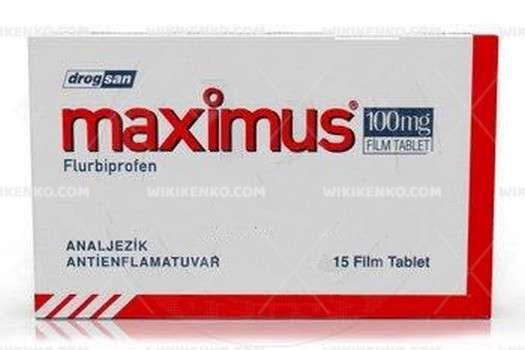
Maximus Film Tablet is a pharmaceutical product containing 100 mg of flurbiprofen as its active ingredient. As a nonsteroidal anti-inflammatory drug (NSAID), it offers therapeutic benefits for various inflammatory conditions and pain management. This medication, primarily available in Turkey and some international markets, has gained recognition for its effectiveness in treating musculoskeletal conditions. The following comprehensive overview details essential information about Maximus Film Tablet, including its composition, therapeutic applications, dosage recommendations, and important safety considerations.
Composition and Physical Properties
Maximus is formulated as a pink-colored film-coated tablet containing 100 mg of flurbiprofen as the active pharmaceutical ingredient. The tablets are available in blister packs containing either 15 or 30 tablets, catering to different treatment durations and patient needs. The inactive ingredients include microcrystalline cellulose, croscarmellose sodium, colloidal silicon dioxide, lactose monohydrate (derived from cow’s milk), magnesium stearate, talc, and a pink coating agent. These excipients contribute to the tablet’s stability, disintegration properties, and overall pharmaceutical quality.
Mechanism of Action
Flurbiprofen functions by inhibiting cyclooxygenase (COX-1 and COX-2) enzymes, which are responsible for the production of prostaglandins-key mediators in pain and inflammatory pathways. By blocking prostaglandin synthesis, flurbiprofen effectively reduces inflammation, alleviates pain, and manages fever. This mechanism of action is characteristic of NSAIDs and explains Maximus Film Tablet’s therapeutic efficacy in treating various inflammatory conditions. The drug demonstrates analgesic, antipyretic, and anti-inflammatory properties, making it suitable for addressing both acute and chronic pain conditions.
Therapeutic Uses
Maximus Film Tablet is primarily indicated for several conditions that benefit from anti-inflammatory and analgesic therapy. These include:
-
Osteoarthritis – a degenerative joint disease commonly known as “calcification” resulting from joint wear and tear, which causes pain and reduced mobility.
-
Rheumatoid arthritis – a chronic inflammatory disorder affecting joints, causing pain, swelling, and potential deformity over time.
-
Ankylosing spondylitis – a chronic inflammatory disease primarily affecting the spine and sacroiliac joints, leading to back pain and potential spinal fusion.
-
Acute gout arthritis – a form of inflammatory arthritis characterized by sudden, severe attacks of pain, redness, and tenderness in joints.
Additionally, Maximus may be prescribed for managing mild to moderate acute pain resulting from various causes. The medication’s dual action against pain and inflammation makes it valuable for improving daily functioning and quality of life for affected individuals.
Dosage and Administration
For adults with osteoarthritis or rheumatoid arthritis, the typical dosage ranges from 200 mg to 300 mg orally per day, divided into 2 to 4 doses. The maximum single dose should not exceed 100 mg to minimize adverse effects while maintaining efficacy. As with all medications, healthcare providers should adjust the dose and frequency to the lowest effective amount for the shortest duration possible to suit individual patient treatment goals.
Special Population Considerations
Dosage adjustments may be necessary for specific patient populations:
-
Elderly patients typically require lower doses due to increased risk of adverse effects and higher likelihood of concomitant hepatic or renal impairment.
-
Patients with advanced renal disease should generally avoid flurbiprofen. If treatment is deemed necessary, close monitoring of renal function is essential.
-
For patients with hepatic impairment, caution is advised, and dosage adjustments may be required, although specific guidelines have not been established. Regular liver function monitoring is recommended for these patients.
-
Individuals who are poor metabolizers of CYP450 2C9 should use Maximus with caution due to potential for altered drug metabolism and increased risk of adverse effects.
Side Effects and Safety Profile
Common Adverse Reactions
Like other NSAIDs, Maximus Film Tablet may cause various side effects. Common adverse reactions include:
-
Gastrointestinal disturbances: Indigestion, stomach pain, nausea, vomiting.
-
Neurological effects: Confusion, tremors, nervousness, headache, dizziness, drowsiness.
-
Gastrointestinal function alterations: Diarrhea or constipation.
-
Dermatological reactions: Increased sweating, itching, or rash.
-
Auditory disturbances: Tinnitus (ringing in the ears).
These common side effects are generally mild to moderate in intensity and often resolve with continued use or dose adjustment. Nevertheless, persistent or worsening symptoms should be reported to healthcare providers.
Serious Adverse Reactions
More serious but less common side effects that require immediate medical attention include:
-
Cardiovascular events: Heart attack or stroke, indicated by chest pain spreading to the jaw or shoulder, sudden numbness or weakness on one side of the body, slurred speech, or shortness of breath.
-
Gastrointestinal bleeding: Manifested as bloody or tarry stools, or vomit resembling coffee grounds.
-
Hepatic abnormalities: Including loss of appetite, upper right abdominal pain, fatigue, itching, dark urine, clay-colored stools, or jaundice.
-
Renal problems: Evidenced by reduced urination, swelling in the feet or ankles, fatigue, or shortness of breath.
-
Hematological disorders: Such as anemia presenting as pale skin, unusual tiredness, light-headedness, or cold extremities.
-
Severe hypersensitivity reactions: Including rash, fever, sore throat, burning eyes, skin pain, or difficulty breathing.
Contraindications and Precautions
Absolute Contraindications
Maximus Film Tablet should not be administered to patients with:
-
Known hypersensitivity to flurbiprofen or any component of the formulation.
-
History of asthma, urticaria, or allergic-type reactions after taking aspirin or other NSAIDs.
-
Patients undergoing coronary artery bypass graft (CABG) surgery.
-
Advanced renal disease, unless benefits outweigh risks and renal function can be closely monitored.
Boxed Warnings and Special Precautions
The FDA has issued boxed warnings regarding serious cardiovascular and gastrointestinal risks associated with NSAIDs like flurbiprofen:
-
Cardiovascular risk: NSAIDs may increase the risk of serious cardiovascular thrombotic events, myocardial infarction, and stroke, which can be fatal. This risk may increase with duration of use and pre-existing cardiovascular disease or risk factors.
-
Gastrointestinal risk: NSAIDs increase the risk of serious gastrointestinal adverse events including bleeding, ulceration, and perforation of the stomach or intestines, which can be fatal. These events can occur at any time during use and without warning symptoms.
Patients should be informed about these risks and instructed to seek immediate medical attention if they experience symptoms suggestive of these serious adverse events.
Case Report of Adverse Reaction
A noteworthy case report documents a 28-year-old man who developed pruritus and jaundice 3-4 weeks after starting flurbiprofen (100 mg twice daily) for post-traumatic muscle and joint pains. Laboratory testing revealed markedly elevated bilirubin (18.4 mg/dL) and liver enzymes. Despite discontinuation of flurbiprofen, his liver tests worsened initially. Liver biopsy showed intrahepatic cholestasis.
The patient was treated with prednisolone, ursodiol, and cholestyramine, with liver function tests remaining abnormal for six months after discontinuation of flurbiprofen. This case highlights the potential for rare but serious hepatotoxicity with flurbiprofen use.
Information Discrepancy
It is important to note that some information in the search results appears contradictory. While most sources correctly identify flurbiprofen as an NSAID, one source incorrectly describes it as an endothelin receptor antagonist used for pulmonary arterial hypertension. The preponderance of evidence clearly indicates that flurbiprofen is an NSAID with anti-inflammatory, analgesic, and antipyretic properties, not an endothelin receptor antagonist.
| Parameter | Details |
|---|---|
| Active Ingredient | Flurbiprofen 100 mg |
| Dosage Form | Pink film-coated tablet |
| Package Presentation | Blister packs of 15 and 30 tablets |
| Therapeutic Class | Nonsteroidal Anti-inflammatory Drug (NSAID) |
| Standard Adult Dosage | 200-300 mg daily in 2-4 divided doses (maximum single dose: 100 mg) |
| Primary Indications | Osteoarthritis, Rheumatoid arthritis, Ankylosing spondylitis, Acute gout arthritis |
| Common Side Effects | Indigestion, stomach pain, nausea, vomiting, headache, dizziness, drowsiness, confusion, tremors, diarrhea, constipation, skin rash |
| Serious Side Effects | Cardiovascular events (heart attack, stroke), Gastrointestinal bleeding, Liver problems, Kidney problems, Severe allergic reactions, Anemia |
| Contraindications | Known hypersensitivity to flurbiprofen or NSAIDs, History of asthma/allergic reactions after taking NSAIDs, CABG surgery, Advanced renal disease |
| Use in Special Populations | Caution in elderly patients, hepatic impairment, and poor CYP450 2C9 metabolizers |
| Manufacturer | EastWard Pharmaceuticals, others in Turkey |
| Regulatory Status | Prescription medication |
Conclusion
Maximus Film Tablet containing 100 mg flurbiprofen provides effective management of various inflammatory conditions and pain. While offering significant therapeutic benefits for patients with osteoarthritis, rheumatoid arthritis, ankylosing spondylitis, and acute pain, it requires careful consideration of individual patient factors, potential side effects, and contraindications.
Healthcare providers should prescribe the lowest effective dose for the shortest duration possible to minimize adverse effects while achieving symptom relief. Patients should be educated about potential risks and instructed to report any concerning symptoms promptly. With appropriate patient selection and monitoring, Maximus Film Tablet can be a valuable component of comprehensive management strategies for inflammatory and painful conditions.











Reviews
There are no reviews yet.