
Description
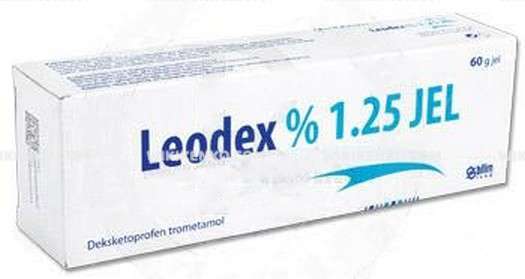
Leodex Gel is a topical medication widely used for its analgesic (pain-relieving) and anti-inflammatory benefits. This article delves into its composition, mechanism of action, indications, proper use, side effects, and key precautions to ensure safe and effective application.
Composition
Leodex Gel is designed to deliver targeted relief for localized pain and inflammation. Its primary ingredient is:
Dexketoprofen Trometamol: Each gram of this gel contains 18.45 mg of Dexketoprofen Trometamol, which is equivalent to 12.5 mg of Dexketoprofen. Dexketoprofen is a non-steroidal anti-inflammatory drug (NSAID), functioning by inhibiting the enzymes responsible for inflammation and pain.
Mechanism of Action
Dexketoprofen operates by inhibiting cyclooxygenase (COX), an enzyme involved in the creation of prostaglandins—compounds in the body that trigger inflammation, pain, and fever. By blocking COX, Dexketoprofen reduces the production of prostaglandins, leading to diminished pain and inflammation at the application site.
Indications
Leodex Gel is recommended for various conditions involving localized pain and inflammation. These include:
- Pain associated with musculoskeletal conditions, such as sprains, strains, and contusions.
- Minor sports-related injuries.
- Pain management for conditions like arthritis, tendinitis, and other inflammatory disorders.
Usage Instructions
To achieve optimal therapeutic outcomes, it is crucial to apply Leodex Gel appropriately:
Application: A thin layer of gel should be applied to the affected area.
Frequency: Typically, the gel can be applied two to three times per day, depending on the severity of the symptoms.
Method: Gently massage the gel into the skin until it is fully absorbed.
Hygiene: Hands should be washed thoroughly after application to prevent accidental contact with sensitive areas such as the eyes or mucous membranes.
Side Effects of Leodex Gel
While Leodex Gel is generally well-tolerated, it can cause side effects, as with any medication. The table below provides a detailed overview of potential adverse effects:
| Category | Side Effects |
|---|---|
| Common | Skin irritation at the application site (redness, itching, burning sensation). |
| Gastrointestinal disturbances (nausea, stomach discomfort). | |
| Mild headache or dizziness. | |
| Less Common | Fluid retention, leading to swelling in the legs or ankles. |
| Increased blood pressure. | |
| Severe skin reactions (blistering or peeling). | |
| Serious | Gastrointestinal bleeding (black stools, bloody vomit). |
| Kidney impairment (altered urine output, swelling). | |
| Liver dysfunction (jaundice, severe abdominal pain). |
Comparison with Other NSAIDs
Leodex Gel, containing dexketoprofen, is often compared to other NSAIDs like diclofenac and ibuprofen in terms of effectiveness for pain relief:
Onset of Action: Leodex Gel has a rapid onset of action, similar to other topical NSAIDs. Comparative studies indicate that dexketoprofen provides prompt pain relief, akin to formulations such as ibuprofen and diclofenac gels.
Global Pain Relief: In comparative assessments, this gel shows a pain relief capacity that matches other topical NSAIDs, including ibuprofen/levomenthol and diclofenac, with noticeable pain reduction after use.
Topical vs. Oral NSAIDs: Topical NSAIDs like Leodex Gel offer localized treatment with fewer systemic side effects. Oral NSAIDs often cause gastrointestinal discomfort, a concern less prevalent with topical formulations like this gel.
Drug Interactions
Leodex Gel, containing dexketoprofen, can interact with certain medications. It is important to be aware of these interactions for safe use:
Other NSAIDs: Combining Leodex Gel with other NSAIDs or high doses of aspirin can heighten the risk of gastrointestinal bleeding.
Anticoagulants: Leodex Gel may increase the bleeding risk when used with blood thinners like warfarin.
Corticosteroids: The risk of gastrointestinal ulceration is higher if this gel is used alongside corticosteroids.
Diuretics and Blood Pressure Medications: The effectiveness of diuretics and antihypertensives may decrease, especially in patients with compromised kidney function. Proper hydration and monitoring are recommended.
Cyclosporine and Tacrolimus: NSAIDs like Leodex Gel can exacerbate the nephrotoxic effects of these drugs.
Recommended Dosage and Application Guidelines
Leodex Gel should be used as per the guidelines outlined for safe and effective relief from pain and inflammation:
Adults: A thin layer of gel should be applied to the affected area.
Frequency: Application should be carried out two to three times daily, depending on clinical needs.
Skin Preparation: Ensure that the application area is clean and dry before using the gel.
Massage: The gel should be massaged gently into the skin until fully absorbed.
Precautions: Avoid applying to broken or irritated skin. Wash hands after each application unless the treated area is the hands.
Duration of treatment should be based on the patient’s response to the therapy, under the guidance of a healthcare provider.
Potential Uses Beyond Pain Relief
Although Leodex Gel is primarily indicated for pain relief, its anti-inflammatory properties suggest broader potential applications:
Musculoskeletal Pain: Effective in managing conditions like muscle strains, back pain, and joint discomfort.
Inflammatory Conditions: Leodex Gel may help reduce swelling and stiffness in joints affected by conditions like osteoarthritis or tendinitis.
Soft Tissue Injuries: Useful for managing localized soft tissue injuries where inflammation is a significant concern.
Leodex Gel for Muscle Pain
Leodex Gel is particularly effective in managing muscle pain. Research supports the efficacy of topical NSAIDs like dexketoprofen in treating acute musculoskeletal pain:
Pain Relief: Clinical evidence suggests that Leodex Gel provides substantial pain reduction for muscle strains, sprains, and other soft tissue injuries.
Localized Action: The gel’s active ingredient penetrates the skin to target inflamed areas, offering direct pain relief with minimal systemic absorption.
Clinical Outcomes: Studies have shown that the use of topical NSAIDs can lead to significant pain reduction within a week, making this gel a reliable choice for managing mild to moderate muscle discomfort.
Conclusion
Leodex Gel offers a reliable and effective option for managing localized pain and inflammation due to various musculoskeletal conditions. With a targeted mechanism of action, it reduces pain and inflammation directly at the site of application, minimizing systemic side effects common to oral NSAIDs. Proper usage and awareness of potential side effects and drug interactions are essential for ensuring the safety and efficacy of this medication. Always consult a healthcare provider for personalized advice and recommendations based on individual medical history and conditions.













Reviews
There are no reviews yet.