
Description
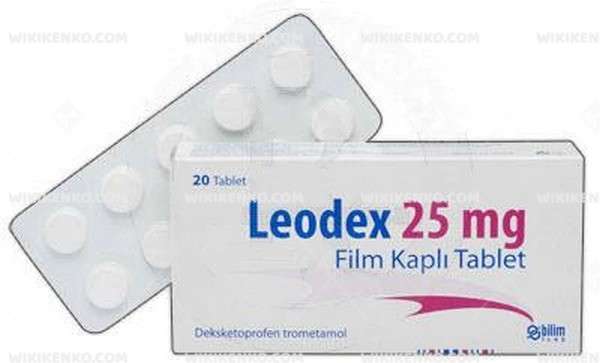
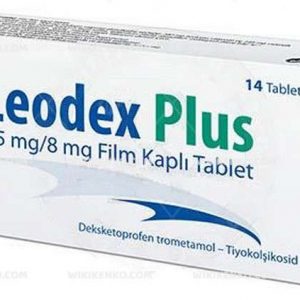
Leodex is a pharmaceutical product containing Dexketoprofen, a non-steroidal anti-inflammatory drug (NSAID). Each tablet is formulated with 25 mg of Dexketoprofen, equivalent to 36.9 mg of Dexketoprofen Trometamol. This medication is frequently used to manage mild to moderate pain, including dental discomfort, menstrual cramps, and musculoskeletal pain. As an NSAID, Dexketoprofen is known for both its analgesic (pain-relieving) and anti-inflammatory effects, providing targeted relief for various conditions.
Ingredients
- Active Ingredient: Dexketoprofen (25 mg)
- Equivalent: 36.9 mg Dexketoprofen Trometamol
Mechanism of Action
Dexketoprofen functions by inhibiting the activity of cyclooxygenase (COX) enzymes. These enzymes play a critical role in producing prostaglandins, which are chemicals responsible for inflammation and pain. By decreasing prostaglandin production, Dexketoprofen effectively reduces pain and inflammation, making it a suitable choice for managing acute painful conditions.
Pharmacokinetics
Dexketoprofen is characterized by rapid absorption, typically achieving peak effects within 30 minutes of oral administration. Below is a detailed breakdown of its pharmacokinetic properties:
Onset of Action: Approximately 30 minutes post-administration.
Peak Plasma Concentration: Achieved around 30 minutes after ingestion.
Half-Life: About 1.65 hours, allowing for prompt pain relief.
After being metabolized in the liver primarily through glucuronidation, the majority of Dexketoprofen is excreted via urine. About 70-80% of the dose is eliminated within the first 12 hours, ensuring a relatively short duration of action which is ideal for acute pain relief.
Indications for Use
Leodex is indicated for short-term management of acute pain due to:
- Dental procedures
- Postoperative pain
- Musculoskeletal disorders
- Menstrual cramps (Dysmenorrhea)
Due to potential side effects associated with prolonged NSAID use, it is generally recommended for short-term therapy only.
Dosage and Administration
For adults, the typical dosage regimen includes:
Half a tablet (12.5 mg) every 4 to 6 hours, or
One tablet (25 mg) every 8 hours.
To optimize absorption, it is advised to take Leodex on an empty stomach, preferably 30 minutes before meals.
Contraindications
Leodex should be avoided in the following cases:
- Active gastrointestinal bleeding or ulcers
- Severe hepatic or renal impairment
- Known hypersensitivity to Dexketoprofen or other NSAIDs
Precautions
Renal and Hepatic Dysfunction: Use caution in patients with mild renal or liver impairment.
Gastrointestinal Concerns: Monitor patients for signs of gastrointestinal distress, such as ulcers or bleeding.
Cardiovascular Risks: Avoid in individuals with severe heart failure or a history of cardiovascular conditions.
Common and Serious Side Effects
Common Side Effects
The following side effects are relatively frequent and may occur in up to 1 in 10 individuals:
| Common Side Effect | Description |
|---|---|
| Nausea | Sensation of queasiness, potentially leading to vomiting. |
| Vomiting | Expulsion of stomach contents. |
| Stomach Pain | Discomfort in the abdominal area. |
| Diarrhea | Increased frequency of loose bowel movements. |
| Dyspepsia | Indigestion, including heartburn. |
| Headaches | Pain varying in intensity across the head. |
| Drowsiness or Fatigue | Feeling unusually tired or sleepy. |
| Constipation | Difficulty in passing stools. |
| Dry Mouth | A persistent dry sensation in the mouth. |
| Increased Sweating | Excessive perspiration without exertion. |
These side effects are generally mild and often resolve without medical intervention. If they persist, consultation with a healthcare provider is recommended.
Serious Side Effects
Serious adverse effects are less common but require immediate medical attention if they occur. These include:
| Serious Side Effect | Description |
|---|---|
| Allergic Reactions | Swelling of the face, tongue, or throat; breathing difficulties; hives. |
| Gastrointestinal Issues | Black stools, blood in vomit, severe stomach pain indicating ulcers. |
| Kidney Problems | Potential acute kidney failure, particularly in individuals with pre-existing renal conditions. |
| Liver Damage | Symptoms like jaundice (yellowing of skin and eyes) and dark urine. |
| Cardiovascular Effects | Increased risk of myocardial infarction and altered blood pressure. |
Efficacy Compared to Other NSAIDs
Dexketoprofen, the active ingredient in Leodex, is commonly compared to other NSAIDs for its effectiveness in pain management:
General Efficacy of NSAIDs
NSAIDs are effective due to their inhibition of COX enzymes, reducing inflammation and pain. Among NSAIDs:
Diclofenac is noted for superior efficacy in conditions like osteoarthritis and rheumatoid arthritis.
Celecoxib is praised for its safety, especially concerning gastrointestinal side effects.
Ibuprofen and Naproxen are frequently used but have higher risks of cardiovascular events.
While Dexketoprofen is effective for its approved indications, it lacks the extensive research and clinical recognition found with other NSAIDs such as diclofenac or celecoxib.
Long-Term Use and Chronic Pain Management
Leodex’s use in chronic pain management is debated. While it demonstrates efficacy in acute pain scenarios:
Short-Term Effectiveness: Dexketoprofen is highly effective for managing short-term pain, including postoperative and musculoskeletal discomfort.
Chronic Pain: Evidence supporting its long-term use is limited. Chronic pain often requires a comprehensive approach, and while Dexketoprofen may be part of a multi-modal pain management plan, its long-term outcomes remain uncertain.
Safety and Monitoring
For long-term use, the safety profile of NSAIDs, including Dexketoprofen, necessitates regular monitoring due to the risks of gastrointestinal bleeding, cardiovascular complications, and renal impairment. Any chronic pain therapy involving NSAIDs requires careful assessment by healthcare providers.
Drug Interactions
There are several known interactions involving Dexketoprofen:
| Drug Category | Interaction Effect |
|---|---|
| Diuretics and Antihypertensives | Reduced efficacy of blood pressure control. |
| Anticoagulants | Increased risk of bleeding. |
| Other NSAIDs | Higher risk of gastrointestinal issues. |
Patients should inform their healthcare provider of all medications, including over-the-counter and herbal products, to avoid potential drug interactions.
Recommendations for Safe Use
To ensure the safe use of Leodex:
Elderly Patients: Exercise caution due to heightened sensitivity to adverse effects.
Pregnancy: Avoid use during the third trimester due to potential harm to the fetus.
Lactation: Not recommended for breastfeeding women.
Monitoring: Watch for signs of gastrointestinal bleeding or skin reactions, and seek medical advice if severe symptoms develop.
Conclusion
Leodex Film-Coated Tablets are a reliable option for short-term relief of mild to moderate pain, particularly for dental pain, menstrual discomfort, and musculoskeletal disorders. However, as with all NSAIDs, their use requires careful consideration of risks and benefits, especially for long-term treatment. Consulting with a healthcare professional is essential to ensure safe and effective use, particularly in special populations or when managing chronic conditions.












Reviews
There are no reviews yet.