
Description
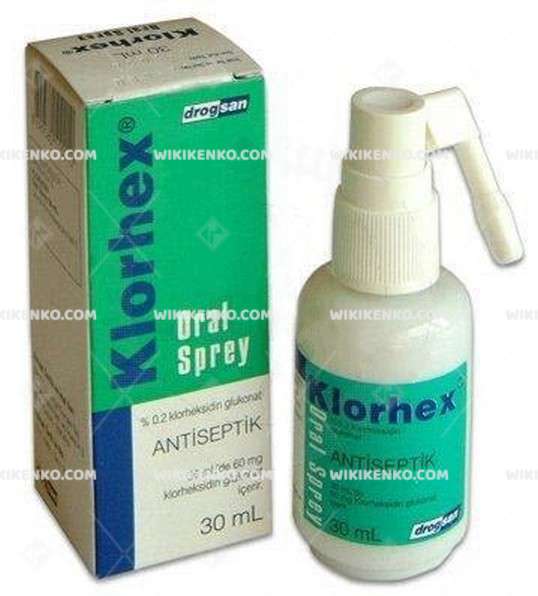
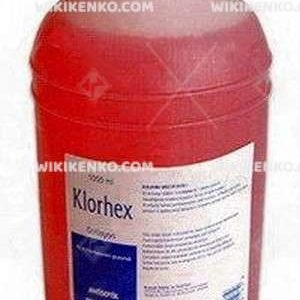
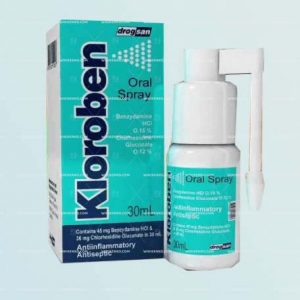
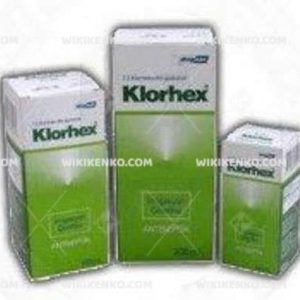
Klorhex Oral Spray is an antimicrobial solution manufactured by Drogsan İlaçları Sanayi ve Tic. A.Ş., a Turkish pharmaceutical company. This oral antiseptic spray contains 0.2% Chlorhexidine Gluconate as its active ingredient and serves as an effective treatment for various oral conditions. The product is designed to reduce bacterial load in the mouth, prevent plaque formation, and assist in managing oral infections. This comprehensive guide explores the various aspects of Klorhex Oral Spray, including its composition, therapeutic applications, dosage guidelines, and potential side effects.
Composition and Formulation
Klorhex Oral Spray primarily contains 0.2% Chlorhexidine Gluconate, a potent antiseptic agent widely used in dental and oral care products. Chlorhexidine is a broad-spectrum antimicrobial agent that effectively combats both gram-positive and gram-negative bacteria. Its efficacy against a wide range of oral pathogens makes it an excellent choice for maintaining oral hygiene and treating various mouth conditions. The spray formulation allows for targeted application to specific areas of the mouth that may be difficult to reach through other delivery methods, such as mouthwashes.
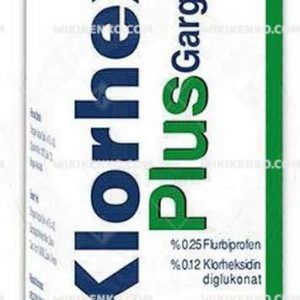
It should be noted that there are also other variants of this product available, such as Klorhex Plus, which combines Chlorhexidine Gluconate with Flurbiprofen for enhanced anti-inflammatory effects. However, this guide focuses specifically on the standard Klorhex Oral Spray containing 0.2% Chlorhexidine Gluconate.
Mechanism of Action
Chlorhexidine functions as both a bacteriostatic and bactericidal agent, depending on its concentration. At lower concentrations, it exhibits bacteriostatic properties by altering the bacterial cell osmotic equilibrium, causing leakage of potassium and phosphorus, which inhibits bacterial growth. At higher concentrations, the compound demonstrates bactericidal effects by binding to negatively charged bacterial cell walls and extramicrobial complexes, leading to cell death.
The antiseptic’s molecular structure allows it to adhere to oral surfaces, including teeth, gums, and mucous membranes. This substantivity (prolonged retention) enables Chlorhexidine to maintain antimicrobial activity in the mouth for extended periods after application, providing continuing protection against bacterial colonization and plaque formation. This persistent action makes Klorhex Oral Spray particularly effective for treating and preventing oral conditions.
Therapeutic Uses and Indications
Dental Conditions
Klorhex Oral Spray serves as a prophylactic agent against dental plaque formation, which is crucial in preventing various dental diseases. It is commonly used in dental procedures to create an antiseptic environment in the mouth before treatments. The spray is particularly beneficial for treating and preventing gingivitis, a common form of gum disease characterized by inflammation, redness, and bleeding of the gums.
For more severe gum conditions, Klorhex is indicated for the treatment of acute necrotizing ulcerative gingivitis, acute streptococcal gingivitis, and acute herpetic gingivostomatitis. These conditions can cause significant discomfort and, if left untreated, may progress to more serious periodontal diseases.
Oropharyngeal Infections
The antimicrobial properties of Klorhex Oral Spray make it suitable for managing infections in the oropharyngeal region, including pharyngitis, laryngitis, and tonsillitis. It can also be used post-operatively following surgical procedures in this area to prevent infection and promote healing.
Specialized Applications
Klorhex Oral Spray is recommended for preventing secondary infections due to mucositis (inflammation and ulceration of mucous membranes) that may develop after chemotherapy and radiotherapy treatments. These treatments often compromise the mouth’s natural defenses, making patients more susceptible to oral infections.
The spray is effective in treating oral mucosa inflammations resulting from prosthetic dental devices, commonly known as stomatitis. It also provides relief for minor aphthous ulcers (canker sores), which are painful lesions that develop on the soft tissues in the mouth.
Special Populations
Klorhex Oral Spray is particularly valuable for individuals who cannot perform adequate dental cleaning, such as physically or mentally disabled patients, terminally ill individuals, or those recovering from oral surgery. Regular use of the spray can help maintain oral hygiene in these populations, reducing the risk of dental and gum diseases.
Dosage and Administration
The recommended application for Klorhex Oral Spray is 5-6 sprays in the morning and evening, directed at the affected areas or throughout the mouth for general oral hygiene. For optimal results, patients should avoid eating, drinking, or rinsing the mouth for at least 30 minutes after application. This waiting period allows the active ingredient to bind effectively to oral surfaces and exert its antimicrobial action.
Unlike mouthwashes, which require spitting out after use, the spray formulation does not require rinsing afterward. In fact, rinsing with water after application is not recommended, as it may reduce the effectiveness of the treatment by washing away the active ingredient before it has time to work properly.
For specific conditions such as gingivitis, a treatment course of approximately one month is generally advisable, although individual responses may vary. In the case of aphthous ulceration and oral candidal infections, treatment should continue for 48 hours after clinical resolution of symptoms.
Precautions and Warnings
Klorhex Oral Spray should not be used in children under 12 years of age. For children 12 years and older, the product should only be used under a doctor’s recommendation. This age restriction is primarily due to concerns about potential ingestion of the product and the need for proper application technique.
The spray is intended exclusively for oral use and should never come into contact with the eyes or ears. Accidental contact with sensitive areas should be immediately rinsed with water to prevent irritation or adverse reactions.
Patients should be aware that Chlorhexidine can interact with toothpaste. It is generally recommended to wait at least 30 minutes between brushing teeth with toothpaste and using Chlorhexidine products, as some components in toothpaste can reduce the effectiveness of Chlorhexidine.
Contraindications
The primary contraindication for Klorhex Oral Spray is hypersensitivity to Chlorhexidine or any other components of the formulation. Patients with a known history of allergic reactions to similar antiseptic products should exercise caution and consult their healthcare provider before using this product.
Side Effects
Common Side Effects
The most frequently reported side effects of Klorhex Oral Spray include discoloration of the teeth, tongue, and oral tissues. This staining is typically superficial and related to the pigmentation of glycoproteins on superficial cell layers. The discoloration on the tongue usually resolves spontaneously once the use of Chlorhexidine is discontinued, as the stained cell layers naturally desquamate (shed).
Tooth discoloration occurs due to the staining of saliva-derived glycoproteins and other deposits that adhere to the teeth. This effect tends to be more pronounced in individuals with excessive plaque accumulation and on rough tooth surfaces or dental fillings, which provide more surface area for glycoproteins to attach. Fortunately, most tooth staining can be removed once patients can resume normal oral hygiene practices or through professional dental cleaning.
Alterations in taste perception represent another common side effect, though this is typically temporary and resolves after discontinuation of the product. Some patients may experience a bitter or metallic taste after application.
Management of Side Effects
To minimize tooth staining, it is recommended to brush teeth before using Klorhex Oral Spray. Maintaining good oral hygiene and regular dental check-ups can help manage discoloration issues. For persistent staining that affects the aesthetic appearance of teeth, professional dental cleaning may be necessary.
If taste alterations significantly affect quality of life or persist beyond a reasonable period after discontinuation of the product, patients should consult their healthcare provider for further evaluation.
Storage and Handling
Klorhex Oral Spray should be stored at room temperature in its original container. The bottle should be kept upright to prevent leakage and ensure proper spray function. As with all medications, it should be kept out of reach of children.
It’s worth noting that fabrics that come into contact with Chlorhexidine should not be cleaned with bleach, as this can result in yellowish-brown stains. Patients should be cautious when using the spray to avoid staining clothing or other materials.
Clinical Evidence and Efficacy
Research has demonstrated that Chlorhexidine sprays are effective in reducing plaque formation and gingival inflammation. A double-blind, placebo-controlled, cross-over study evaluating twice-daily use of a 0.2% Chlorhexidine spray showed clinically and statistically significant reductions in plaque and bleeding scores compared to placebo. The study concluded that small doses of Chlorhexidine delivered via spray may be of considerable value as an aid to oral hygiene, particularly in individuals with special needs.
The apparent acceptability and effectiveness of spray delivery make Klorhex Oral Spray a valuable option for patients who may have difficulty using conventional mouthwashes or maintaining regular oral hygiene practices.
Klorhex Oral Spray Key Information
| Parameter | Details |
|---|---|
| Active Ingredient | Chlorhexidine Gluconate 0.2% |
| Formulation | Oral Spray |
| Manufacturer | Drogsan İlaçları Sanayi ve Tic. A.Ş. |
| Primary Indications | Prevention of dental plaque, Treatment of gingivitis, Oral infections, Stomatitis, Aphthous ulcers |
| Dosage | 5-6 sprays twice daily (morning and evening) |
| Administration Guidelines | Do not eat, drink, or rinse for 30 minutes after application |
| Common Side Effects | Tooth/tongue discoloration, Altered taste perception, Increased tartar formation |
| Contraindications | Hypersensitivity to Chlorhexidine |
| Age Restrictions | Not recommended for children under 12 years |
| Storage Conditions | Store upright at room temperature |
| Duration of Treatment | For gingivitis: approximately one month For ulcers and infections: continue 48 hours after clinical resolution |
Conclusion
Klorhex Oral Spray containing 0.2% Chlorhexidine Gluconate represents an effective antimicrobial solution for various oral conditions. Its broad-spectrum activity against oral pathogens makes it valuable for treating gingivitis, oropharyngeal infections, stomatitis, and aphthous ulcers. The spray formulation provides targeted delivery and is particularly useful for patients who have difficulty maintaining oral hygiene through conventional means.
While the product is generally well-tolerated, users should be aware of potential side effects such as tooth discoloration and altered taste perception. These effects are typically reversible and can be managed through proper oral hygiene practices and professional dental care. With proper use according to recommended guidelines, Klorhex Oral Spray can be an effective component of oral health management.
As with any medication, patients should consult healthcare professionals before starting treatment, especially those with known hypersensitivities or medical conditions, and should follow the prescribed dosage and administration guidelines to maximize benefits while minimizing potential adverse effects.











Reviews
There are no reviews yet.