

Description
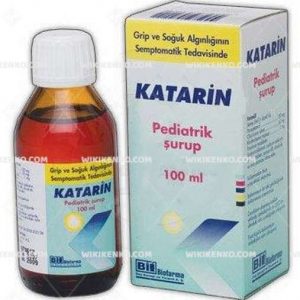
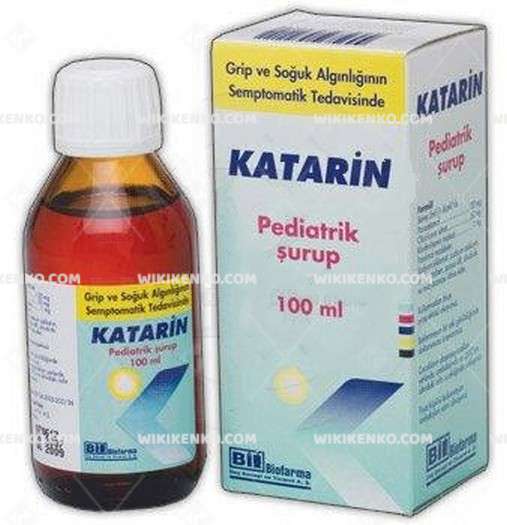
Katarin Pediatric Syrup is a multi‑symptom pediatric cold remedy indicated for the symptomatic treatment of upper respiratory tract infections, including common cold and influenza‑like illnesses, in children.
The formulation combines an H1‑antihistamine (chlorpheniramine), an antitussive/anti‑inflammatory agent (oxolamine) and an analgesic–antipyretic (paracetamol), aiming to provide relief from rhinorrhea, sneezing, cough, sore throat, fever and mild to moderate pain. Although the user‑specified name includes “Plus B,” no official Turkish or international regulatory source clearly details a Katarin “Plus B” pediatric syrup; thus, the following article refers to the verified Katarin Pediatric Syrup line and extrapolates mechanistic, pharmacological and safety principles that would apply to any closely related pediatric Katarin combination with the same active substances.
Pharmaceutical Composition and Dosage Form
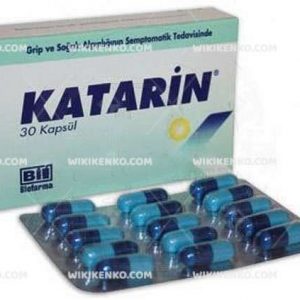
According to the Turkish manufacturer Biofarma, the Katarin product line, including Katarin Pediatric Syrup 1/100 ml, contains chlorpheniramine, oxolamine and paracetamol as active substances and is classified among cold preparations. For the capsule formulation, each unit contains paracetamol 250 mg, oxolamine citrate 100 mg and chlorpheniramine maleate 2 mg, which provides a reference composition pattern for the pediatric syrup, although exact per‑milliliter strengths are defined in the local product information. The syrup is presented as an oral liquid dosage form designed to facilitate accurate weight‑ or age‑adjusted dosing in children and to improve palatability and adherence compared with solid dosage forms.
Active Ingredients and Mechanism of Action
Chlorpheniramine
Chlorpheniramine is a first‑generation H1‑receptor antagonist that reduces the effects of endogenous histamine in the upper respiratory tract. By competitively blocking H1 receptors, it diminishes capillary permeability, edema and nasal secretions, thereby alleviating rhinorrhea, sneezing and other allergic manifestations associated with viral upper respiratory infections. Owing to its central penetration, chlorpheniramine may also cause sedation and anticholinergic effects, which are clinically relevant in pediatric patients and must be considered in dosing and counseling.
Oxolamine
Oxolamine citrate is an antitussive agent with additional anti‑inflammatory activity in the respiratory tract, and in the Katarin capsules it is present at 100 mg, which illustrates its role as a major symptomatic component. It is thought to exert a locally acting antitussive effect by modulating sensory nerve activity and inflammatory processes in the tracheobronchial mucosa, thereby reducing cough frequency and intensity without the central opioid‑like respiratory depression associated with classical antitussives such as codeine. Its inclusion aims to provide relief of dry, irritating cough commonly accompanying pediatric cold syndromes.
Paracetamol
Paracetamol (acetaminophen) is an analgesic and antipyretic compound widely used in pediatric practice to manage fever and mild to moderate pain. It acts mainly by inhibiting prostaglandin synthesis in the central nervous system and by peripherally blocking pain‑impulse generation, which leads to antipyretic action at the thermoregulatory centers of the hypothalamus and analgesia in febrile and non‑febrile states.
In the Katarin capsule reference formulation, each unit contains 250 mg paracetamol, and the maximum daily dose for adults is constrained by the well‑known 4 g/day paracetamol hepatotoxicity threshold, which informs pediatric dose calculations based on mg/kg.
Therapeutic Indications
Katarin Pediatric Syrup is positioned as a symptomatic treatment in pediatric patients with common cold and other benign upper respiratory tract infections, where multiple symptoms occur concurrently. Typical target symptoms include fever, headache, myalgia, sore throat, nasal congestion, rhinorrhea, sneezing and non‑productive or mildly productive cough associated with viral infections.
The medicine is not indicated for causal treatment of bacterial infections and should not replace appropriate antimicrobial therapy when bacterial disease is suspected, nor should it be used to prolong the interval before medical evaluation in severely ill children.
Pharmacokinetics Overview
While pediatric syrup‑specific pharmacokinetic data are usually contained in the local Summary of Product Characteristics, the behavior of the active components can be inferred from established data for each substance. Chlorpheniramine is well absorbed orally, undergoes first‑pass hepatic metabolism and exhibits moderate protein binding, with a half‑life that can support dosing every 6–8 hours but may be prolonged in younger children or those with hepatic impairment.
Paracetamol is rapidly and almost completely absorbed from the gastrointestinal tract, with peak plasma concentrations typically achieved within 30–60 minutes, and it is extensively conjugated in the liver to non‑toxic glucuronide and sulfate metabolites, while a small fraction is metabolized to a reactive intermediate that is detoxified by glutathione; overdose saturates conjugation and leads to hepatotoxicity. Oxolamine is orally absorbed and metabolized hepatically, but detailed pediatric pharmacokinetic parameters are less extensively published, so dosing recommendations are usually empirical and based on clinical experience and adult extrapolation with safety margins.
Evidence‑Based Clinical Use and Efficacy
Direct randomized controlled trials specifically evaluating Katarin Pediatric Syrup are not readily accessible in the major English‑language medical literature, which is a limitation for high‑level evidence grading. Nevertheless, each component has well‑documented efficacy for its symptom domain: first‑generation antihistamines such as chlorpheniramine have demonstrated reductions in sneezing and rhinorrhea in allergic and viral rhinitis; paracetamol has extensive evidence supporting its antipyretic and analgesic efficacy in children; and oxolamine has been used clinically for cough suppression in several countries, including Turkey.
The fixed‑dose combination is rational in the sense that it addresses multiple co‑occurring symptoms in a single formulation, but combination therapy also complicates benefit–risk assessment because individual component doses cannot be independently titrated once the syrup is chosen.
Posology and Method of Administration
In the absence of a publicly accessible, English‑language official dosing table for Katarin Pediatric Syrup, dosing principles can be inferred from the capsule composition and general pediatric use patterns for similar cold combinations. Pediatric dosing is generally weight‑adjusted and administered every 6–8 hours, not exceeding a maximum daily paracetamol intake consistent with standard pediatric guidelines (commonly 10–15 mg/kg per dose, up to 60 mg/kg/day), while respecting oxolamine and chlorpheniramine safety limits.
The syrup is administered orally, and caregivers should be instructed to use an appropriate measuring device rather than household teaspoons to avoid dosing errors, with particular vigilance in infants and young children. Local product information approved in Turkey should be consulted for the exact age bands, mg/ml strengths and maximum number of daily doses for the specific “Katarin Pediatric Syrup 1/100 ml” or any “Plus B” variant, if marketed.
Safety Profile and Adverse Reactions
The safety profile of Katarin Pediatric Syrup is largely determined by chlorpheniramine and paracetamol, with additional effects attributable to oxolamine. Commonly reported side effects of chlorpheniramine include drowsiness, dizziness, dry mouth, blurred vision, constipation and, occasionally, paradoxical excitability in children.
Paracetamol is generally well tolerated at therapeutic doses, but hepatotoxicity may occur with acute overdose or chronic supratherapeutic dosing, particularly in the context of concomitant hepatotoxic drugs or malnutrition. Oxolamine may cause mild gastrointestinal disturbances, such as nausea or stomach discomfort, and rarely hypersensitivity reactions.
Serious adverse effects
Serious toxicity is most often related to paracetamol overdose, which can lead to acute liver failure and require hospitalization and treatment with N‑acetylcysteine. Chlorpheniramine, as a first‑generation antihistamine, can cause severe anticholinergic toxicity at high doses, presenting with agitation, hallucinations, seizures, hyperthermia, tachycardia and arrhythmias, which are particularly dangerous in young children. Hypersensitivity reactions, including rash, urticaria, bronchospasm or anaphylaxis, are possible with any of the components and require immediate discontinuation and medical evaluation.
Contraindications and Special Warnings
The Katarin capsule reference indicates that the combination is contraindicated in patients with hypersensitivity to paracetamol, oxolamine, chlorpheniramine or any excipients, as well as in severe hepatic or renal impairment, children under 6 years of age, patients receiving monoamine oxidase inhibitors (MAOIs), and in conditions such as prostate adenoma, narrow‑angle glaucoma, asthma and epilepsy.
These contraindications largely reflect the anticholinergic and central nervous system effects of chlorpheniramine and the hepatic metabolism of paracetamol. For pediatric syrups, additional age‑related restrictions may apply, and regulatory agencies in some countries advise against the use of multi‑symptom OTC cold products in very young children due to limited evidence of benefit and potential risk of dosing errors or toxicity. Caution is also warranted in children with chronic liver disease, malnutrition, G6PD deficiency, or concurrent use of other paracetamol‑containing products, due to the risk of cumulative paracetamol exposure.
Drug Interactions
Paracetamol can potentiate the effects of oral anticoagulants, particularly warfarin, when administered at high doses or chronically, and hepatotoxicity risk increases with concomitant use of enzyme‑inducing drugs or chronic alcohol consumption in older patients. Chlorpheniramine has additive sedative and anticholinergic effects when combined with other central nervous system depressants (such as benzodiazepines, opioids, sedative antihistamines) and anticholinergic agents (for example, certain antidepressants or antiparkinsonian drugs).
The Katarin capsule reference also lists interactions with MAOIs, which can enhance sympathomimetic and central effects and are therefore contraindicated within 14 days of MAOI therapy. Caregivers should be advised to avoid simultaneous administration of other cough–cold preparations, antihistamines or paracetamol‑containing medications to prevent duplication of therapy and overdose.
Use in Special Populations
In children, dose adjustment according to age and weight is mandatory, and many authorities recommend avoiding first‑generation antihistamine combinations in infants and very young children due to safety concerns and limited evidence of clinical benefit. In hepatic or renal impairment, paracetamol clearance is reduced, and both dose and dosing interval may need to be adjusted or the product avoided altogether.
During pregnancy and lactation, the capsule reference recommends consulting a healthcare provider, reflecting the need to balance maternal symptom control against potential fetal or neonatal exposure; for pediatric syrups, this guidance is more relevant to adolescent use, depending on local labeling.
Summary Table: Key Pharmaceutical and Clinical Characteristics
| Parameter | Katarin Pediatric Line (extrapolated to syrup) |
|---|---|
| Manufacturer | Biofarma, Turkey |
| Therapeutic class | Cold preparations (multi‑symptom) |
| Dosage form | Pediatric oral syrup 1/100 ml |
| Active ingredients | Chlorpheniramine, oxolamine, paracetamol |
| Reference capsule strengths | Paracetamol 250 mg, oxolamine 100 mg, chlorpheniramine 2 mg per capsule |
| Main indications | Symptomatic treatment of cold and flu‑like illnesses (fever, pain, cough, rhinorrhea, sneezing) |
| Common side effects | Drowsiness, dry mouth, dizziness, GI upset |
| Serious risks | Paracetamol‑related hepatotoxicity, anticholinergic toxicity, hypersensitivity reactions |
| Key contraindications | Hypersensitivity, severe liver/renal failure, children <6 years (capsule), MAOI use, prostate adenoma, narrow‑angle glaucoma, asthma, epilepsy |
| Notable interactions | MAOIs, anticoagulants, alcohol, CNS depressants, other paracetamol‑containing drugs |
Clinical Counseling and Practical Considerations
From a pharmaceutical care perspective, counseling around any Katarin pediatric syrup should emphasize correct dosing, avoidance of duplicate paracetamol exposure, recognition of warning signs (persistent fever, breathing difficulty, rash, altered consciousness) and the need to limit duration of self‑medication without medical review.
Caregivers should be advised regarding potential sedative effects, the importance of not using the product to induce sleep and avoiding tasks requiring alertness in older children who may be affected by drowsiness. Because robust pediatric clinical trial data for the specific fixed‑dose combination are limited in the publicly accessible literature, pharmacists and physicians should individualize therapy, consider monocomponent alternatives when only one symptom requires treatment, and adhere to national pediatric cold‑medicine guidelines and local product information when deciding on use of Katarin Pediatric Syrup or any “Plus B” variant.
Important note on “Katarin Plus B Pediyatrik Syrup”
The designation “Katarin Plus B Pediyatrik Syrup” is not documented in the accessible manufacturer listings or major English‑language databases, whereas “Katarin Pediatric Syrup 1/100 ml” and related Katarin formulations are clearly listed. Therefore, before prescribing or administering a product labeled “Katarin Plus B,” clinicians and caregivers should carefully verify the exact composition, concentration and approved indications on the physical package insert or national drug registry to ensure that dosing, contraindications and interactions are accurately understood for that specific product.











Reviews
There are no reviews yet.