


Description
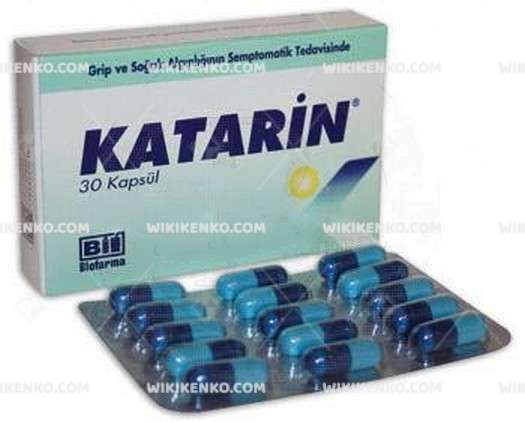
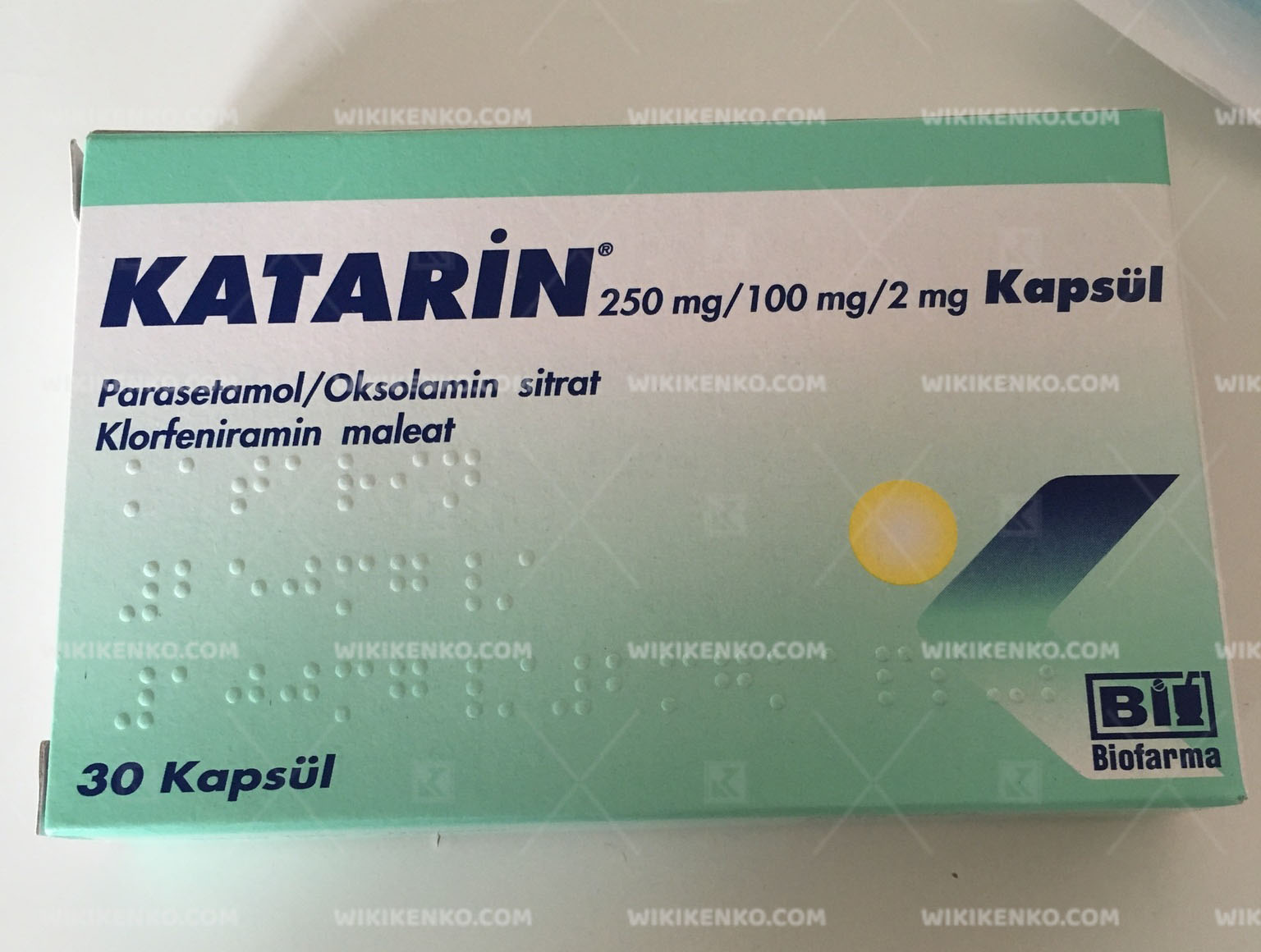
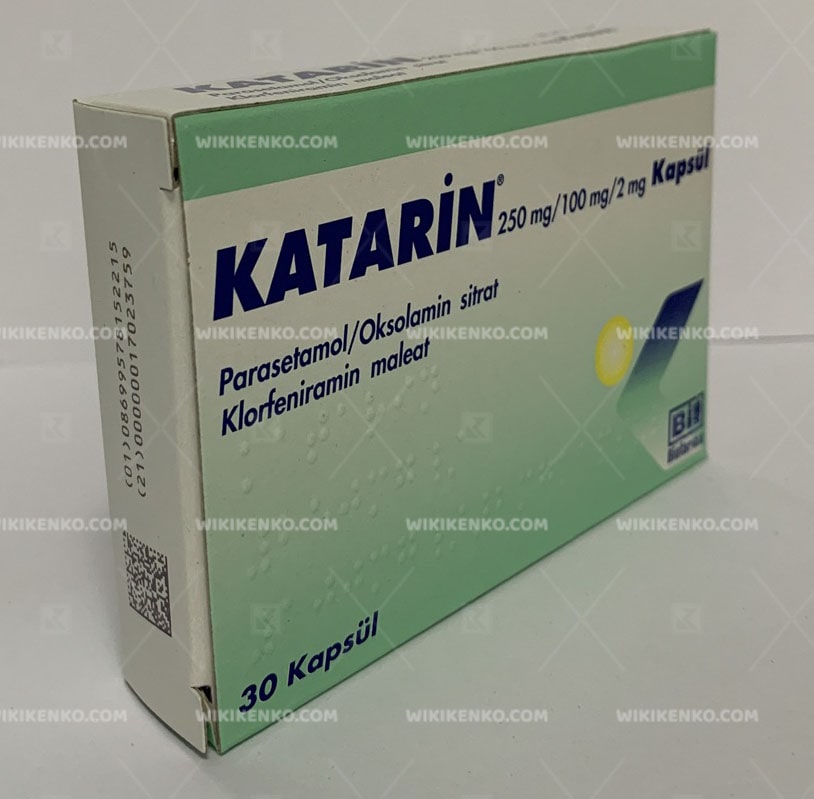
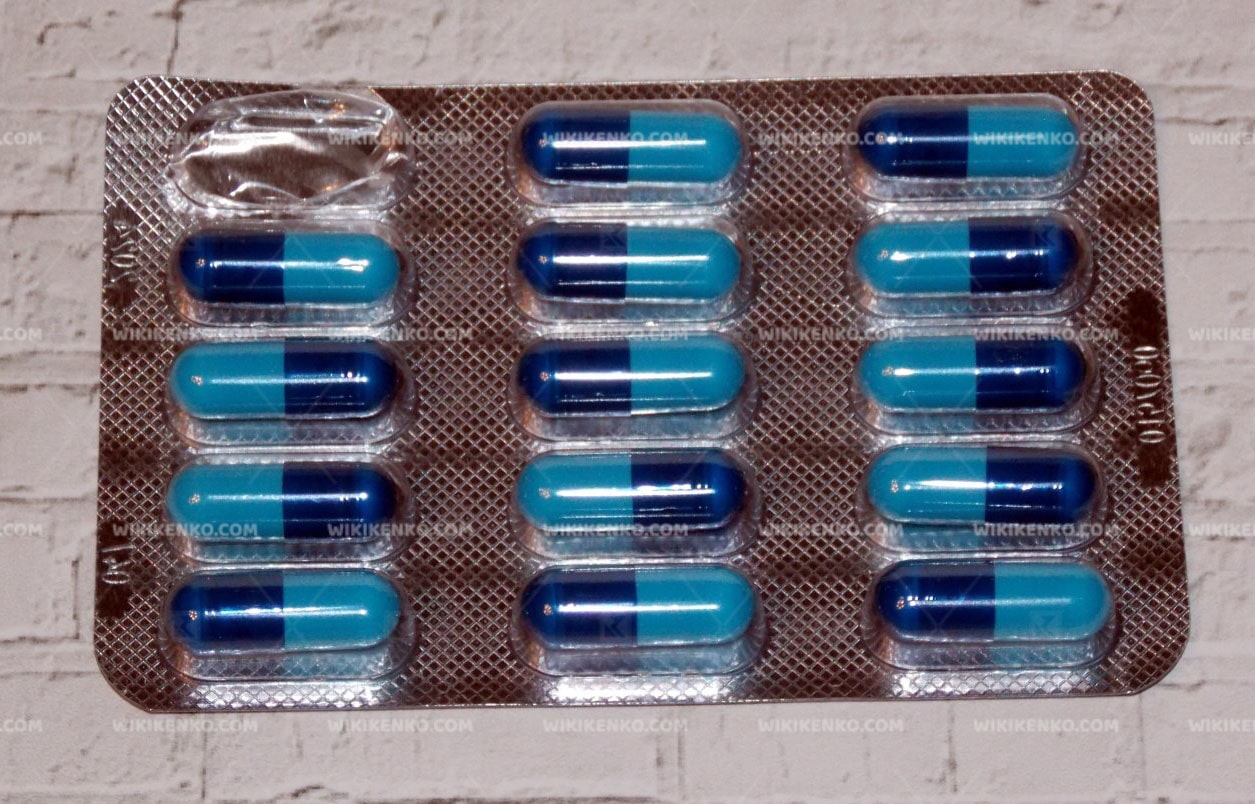
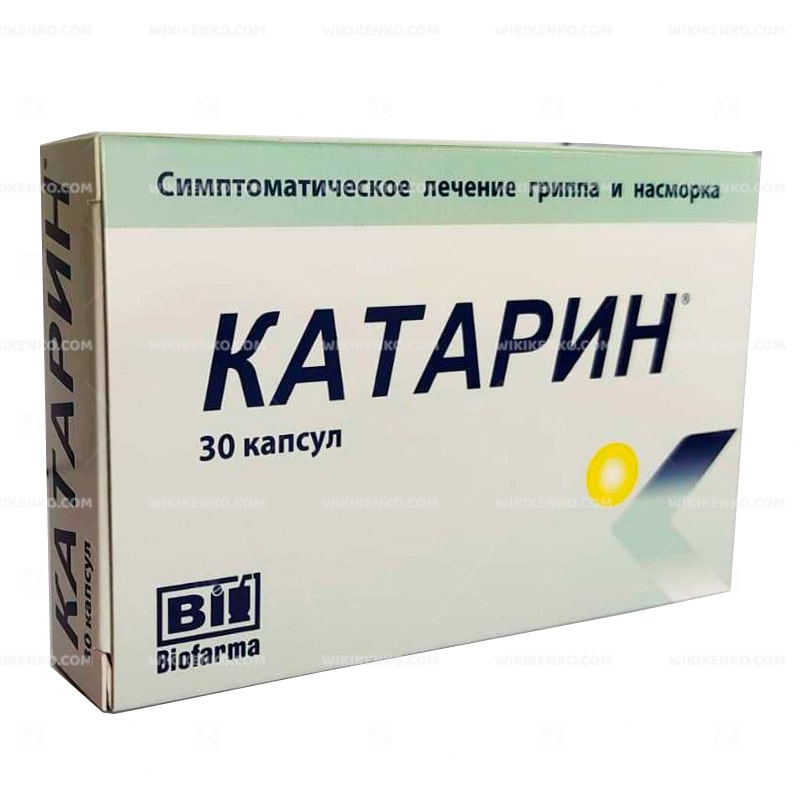
Katarin Capsule is a multi-ingredient medication authorized in Turkey, primarily classified as a cold preparation that combines the therapeutic effects of three distinct active ingredients. This medication serves as a comprehensive treatment option for symptomatic relief of common cold and respiratory conditions. The formulation strategically incorporates an analgesic/antipyretic, a cough suppressant, and an antihistamine to address multiple symptoms simultaneously.
This article provides detailed information about Katarin Capsule, including its composition, mechanisms of action, therapeutic uses, dosage recommendations, potential side effects, and contraindications.
Composition
Katarin Capsule contains three active pharmaceutical ingredients, each serving a specific therapeutic purpose:
-
Paracetamol (Acetaminophen): 250 mg – An analgesic and antipyretic compound
-
Oxolamine Citrate: 100 mg – A cough suppressant with anti-inflammatory properties
-
Chlorpheniramine Maleate: 2 mg – A first-generation antihistamine
The capsule also contains several auxiliary components that contribute to its formulation and delivery, including starch, talc (E553b), magnesium stearate (E572), titanium dioxide (E171), indigo carmine FD&C blue no:2 (E132), and gelatin (E441).
Therapeutic Classification
Katarin belongs to the broader category of cold preparations within the anatomical therapeutic chemical (ATC) classification system. More specifically, it falls under the R05X category representing “Other cold preparations” within the respiratory system medications group (R05 – Cough and cold preparations). This classification reflects its intended use for managing multiple symptoms associated with upper respiratory tract infections and allergic conditions.
Mechanism of Action
The therapeutic effect of Katarin Capsule results from the combined pharmacological actions of its three active ingredients:
Paracetamol (Acetaminophen)
Paracetamol functions primarily as an analgesic and antipyretic. Although its exact mechanism remains not fully understood, it appears to selectively inhibit cyclooxygenase (COX) activities in the brain, contributing to its pain-relieving and fever-reducing properties. Unlike non-steroidal anti-inflammatory drugs (NSAIDs), paracetamol has minimal peripheral anti-inflammatory effects at therapeutic doses, making it suitable for patients who cannot tolerate NSAIDs.
Oxolamine Citrate
Oxolamine citrate acts as an effective cough suppressant by inhibiting the cough reflex at the central level. Additionally, it possesses anti-inflammatory properties that help reduce irritation of the nervous receptors in the respiratory tract. This makes it particularly beneficial for treating various respiratory conditions such as pharyngitis, tracheitis, and bronchitis. The anti-inflammatory action contributes significantly to symptom relief by decreasing respiratory tract inflammation.
Chlorpheniramine Maleate
Chlorpheniramine is a first-generation antihistamine that works as a potent inverse agonist of the histamine H₁ receptor. By blocking the effects of histamine, it helps alleviate symptoms of allergic conditions such as sneezing, itching, watery eyes, and runny nose. The medication typically takes effect within two hours of administration and remains active for approximately 4-6 hours. Additionally, chlorpheniramine possesses weak anticholinergic properties through antagonism of muscarinic acetylcholine receptors.
Therapeutic Uses
Katarin Capsule is indicated for symptomatic relief of various conditions related to the common cold, respiratory infections, and allergic manifestations. Its multi-ingredient formulation addresses multiple symptoms simultaneously, providing comprehensive relief from:
Respiratory Conditions
The medication is particularly effective against symptoms associated with upper respiratory tract infections, including:
-
Common cold and influenza symptoms
-
Pharyngitis and tracheitis
-
Bronchitis
-
Allergic rhinitis (hay fever)
-
Cough and related respiratory discomfort
Symptomatic Relief
Katarin provides relief from specific symptoms such as:
-
Fever and mild to moderate pain (primarily through paracetamol)
-
Cough (through oxolamine citrate)
-
Allergic manifestations including sneezing, itching, and nasal congestion (through chlorpheniramine)
Dosage and Administration
The appropriate dosage regimen for Katarin Capsule should be determined by a healthcare professional based on the individual patient’s age, weight, and specific medical condition. However, general dosage guidelines can be provided based on available information:
Adult Dosage
While specific dosing information for Katarin Capsule as a combination product is limited in the provided search results, the following guidelines can be considered for adults:
-
Typical oral administration is likely 1-2 capsules every 6-8 hours, not exceeding 6 capsules in 24 hours
-
The dosing interval should account for the duration of action of chlorpheniramine (4-6 hours)
Pediatric Dosage
-
Katarin Capsule is contraindicated in children under 6 years of age
-
For children above 6 years, dosage should be strictly determined by a physician based on weight and age
Administration Guidelines
-
The capsule should be taken orally with a sufficient amount of water
-
It can typically be taken with or without food, though taking with food might reduce stomach discomfort
-
The duration of treatment should be limited to the shortest period needed for symptom relief
Side Effects
Like all medications, Katarin Capsule may cause side effects in some patients. These adverse reactions primarily derive from its three active components and can be categorized as follows:
-
Liver damage (with overdose or prolonged use)
-
Skin rashes and allergic reactions in sensitive individuals
-
Rare blood disorders including thrombocytopenia and leukopenia
-
Visual hallucinations (particularly with overdose)
-
Gastrointestinal disturbances
-
Drowsiness and sedation (most common)
-
Dry mouth, blurred vision, and urinary retention (anticholinergic effects)
-
Restlessness and weakness
-
Dizziness and impaired coordination
-
Gastrointestinal disturbances such as nausea or constipation
Contraindications
Katarin Capsule is contraindicated in the following conditions and populations:
-
Hypersensitivity to any of the active substances (paracetamol, oxolamine, or chlorpheniramine) or auxiliary ingredients
-
Children under 6 years of age
-
Severe liver failure (Child-Pugh category > 9)
-
Severe renal failure
-
Concurrent use or recent discontinuation (within 2 weeks) of monoamine oxidase inhibitors (MAOIs)
-
Prostate adenoma with post-void residual urine
-
Urinary or intestinal obstruction
-
Peptic ulcer with gastric narrowing
-
Lung diseases, including asthma
-
Narrow-angle glaucoma
-
Epilepsy
Special Precautions
Hepatic and Renal Impairment
Patients with liver or kidney dysfunction should use Katarin Capsule with caution. The paracetamol component can accumulate and cause toxicity in these populations, potentially requiring dosage adjustment or avoidance altogether in severe cases.
Alcohol Consumption
Concomitant alcohol use should be avoided as it may increase the risk of paracetamol-induced hepatotoxicity. Patients who consume more than three alcoholic beverages per day should consult their healthcare provider before using this medication and should never exceed 2 grams (2000 mg) of paracetamol per day.
Sedation and Cognitive Impairment
The chlorpheniramine component can cause drowsiness and impaired cognitive function. Patients should exercise caution when engaging in activities requiring mental alertness, such as driving or operating machinery, until they understand how the medication affects them.
Allergic Reactions
Patients with a history of allergic reactions to any of the components should immediately discontinue use if they develop redness, rash, or any other skin reaction upon first use of Katarin.
Drug Interactions
Katarin Capsule may interact with various medications due to its multiple active ingredients:
Paracetamol Interactions
-
Warfarin and other oral anticoagulants: May enhance anticoagulant effects
-
Enzyme-inducing medications (certain antiepileptics, rifampicin): May increase the risk of liver toxicity
-
Cholestyramine: May reduce paracetamol absorption
Chlorpheniramine Interactions
-
Central nervous system depressants (alcohol, benzodiazepines, opioids): May enhance sedative effects
-
Anticholinergic drugs: May potentiate anticholinergic side effects
-
Monoamine oxidase inhibitors (MAOIs): Contraindicated due to risk of severe adverse reactions
Oxolamine Interactions
-
Sedative medications: May enhance central nervous system depression
Overdose Considerations
An overdose of Katarin Capsule can cause serious harm, primarily due to its paracetamol content. Symptoms of overdose may include:
-
Nausea, vomiting, and abdominal pain
-
Liver damage (may manifest 24-48 hours after overdose)
-
Enhanced anticholinergic and sedative effects
-
Possible visual hallucinations (related to oxolamine)
The maximum recommended daily dose of paracetamol is 4 grams (4000 mg) for adults. Using more could potentially cause liver damage. In case of suspected overdose, immediate medical attention is essential, even if no symptoms are present.
Storage and Handling
While specific storage information for Katarin Capsule is not provided in the search results, general recommendations for similar medications include:
-
Store at room temperature, away from moisture and heat
-
Keep out of direct sunlight
-
Keep out of reach of children
-
Do not use after the expiration date
-
Dispose of unused or expired medication properly according to local regulations
Quick Reference Table
| Parameter | Information |
|---|---|
| Active Ingredients | Paracetamol 250 mg, Oxolamine Citrate 100 mg, Chlorpheniramine Maleate 2 mg |
| Therapeutic Category | Cold preparations (ATC: R05X) |
| Primary Uses | Relief of cold symptoms, fever, pain, cough, allergic manifestations |
| Dosage Form | Capsule |
| Typical Adult Dosage | 1-2 capsules every 6-8 hours, not exceeding 6 capsules in 24 hours |
| Pediatric Use | Contraindicated in children under 6 years |
| Common Side Effects | Drowsiness, dry mouth, dizziness, gastrointestinal disturbances |
| Severe Side Effects | Liver damage (with overdose), allergic reactions, visual hallucinations |
| Contraindications | Hypersensitivity, severe liver/renal failure, children <6 years, MAOI use, prostate adenoma, narrow-angle glaucoma, asthma, epilepsy |
| Drug Interactions | MAOIs, alcohol, anticoagulants, CNS depressants, anticholinergics |
| Pregnancy/Lactation | Consult healthcare provider before use |
| Maximum Daily Dose | Based on paracetamol content: 4g (4000 mg) for adults |
| Country of Authorization | Turkey |
Conclusion
Katarin Capsule represents a multi-ingredient approach to managing cold and respiratory symptoms through its combination of paracetamol (analgesic/antipyretic), oxolamine citrate (cough suppressant), and chlorpheniramine maleate (antihistamine). This Turkish medication provides symptomatic relief for conditions such as common cold, allergic rhinitis, and associated respiratory discomfort.
However, its use requires careful consideration of contraindications, potential side effects, and drug interactions. As with any medication, patients should consult healthcare professionals before initiating treatment, particularly those with pre-existing medical conditions or those taking other medications.











Reviews
There are no reviews yet.