
Description
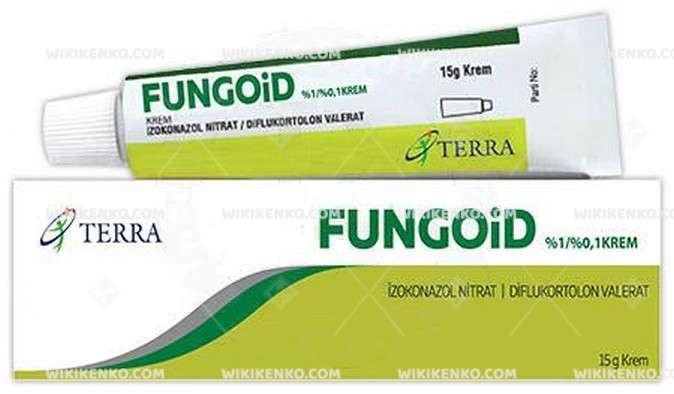
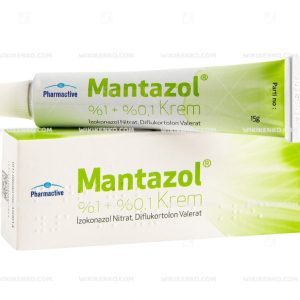
Fungoid Cream represents a specialized topical medication combining antifungal and anti-inflammatory properties through its dual active ingredients. This pharmaceutical preparation is designed primarily for the treatment of superficial fungal infections of the skin that are accompanied by significant inflammatory or eczematous reactions. Before using this medication, it is important to understand its composition, mechanisms of action, appropriate usage guidelines, and potential side effects to ensure optimal therapeutic outcomes.
Composition and Pharmaceutical Properties
Fungoid Cream contains two active pharmaceutical ingredients that work synergistically to address both the infectious and inflammatory components of fungal skin diseases. Each gram of Fungoid Cream contains 10 mg (1%) of isoconazole nitrate and 1 mg (0.1%) of diflucortolone valerate. The formulation also includes several excipients that provide the cream base and ensure proper drug delivery: sorbitan stearate, cetostearyl alcohol, liquid paraffin, polysorbate 60, paraffin, disodium edetate, and demineralized water.
Isoconazole nitrate belongs to the azole class of antifungal medications, specifically the imidazole subgroup. It demonstrates a broad-spectrum antimicrobial activity against various dermatophytes, yeast, yeast-like fungi, mold, and certain gram-positive bacteria. Diflucortolone valerate is a potent synthetic glucocorticoid that provides anti-inflammatory, antipruritic, and vasoconstrictive effects, thereby addressing the inflammatory component of fungal skin infections.
Pharmaceutical Form and Presentation
Fungoid is available as a white to off-white cream for topical application. It is marketed in tubes containing 15 grams or 30 grams of the preparation. The pharmaceutical formulation allows for easy application and optimal penetration into the affected skin areas.
Mechanism of Action
Antifungal Component
Isoconazole nitrate functions by inhibiting the synthesis of ergosterol, an essential component of fungal cell membranes. By disrupting membrane integrity, the antifungal agent prevents fungal growth and replication. This mechanism is effective against dermatophytes (causing conditions like athlete’s foot, ringworm), yeasts (including Candida species), organisms causing pityriasis versicolor, and other pathogenic fungi affecting the skin. Additionally, isoconazole demonstrates activity against gram-positive bacteria that may be present in some skin infections, providing a broader spectrum of antimicrobial coverage.
Anti-inflammatory Component
Diflucortolone valerate, the corticosteroid component, acts by binding to intracellular glucocorticoid receptors and subsequently modulating the transcription of various genes involved in inflammatory responses. This leads to reduced production of inflammatory mediators such as cytokines, prostaglandins, and leukotrienes. The result is a decrease in inflammation, redness, swelling, and itching associated with inflammatory skin conditions. The corticosteroid component provides rapid symptomatic relief while the antifungal component addresses the underlying infection.
Therapeutic Indications
Fungoid Cream is specifically indicated for the treatment of superficial fungal infections of the skin that present with severe inflammatory or eczematous reactions. The primary conditions for which Fungoid is prescribed include:
-
Tinea infections (dermatophytoses) affecting various body areas, including:
-
Tinea pedis (athlete’s foot), particularly between the toes
-
Tinea manuum (fungal infections of the hands)
-
Tinea cruris (jock itch in the groin area)
-
Tinea corporis (ringworm of the body)
-
-
Candidiasis of the skin (cutaneous candidiasis), especially in intertriginous areas where skin surfaces meet and create moist environments
-
Pityriasis versicolor, a common fungal infection caused by Malassezia species that leads to discolored patches on the skin
Fungoid Cream is particularly valuable for the initial or intermediate treatment of these conditions when significant inflammation, itching, or eczematous reactions accompany the fungal infection. The dual-action formulation allows for simultaneous treatment of both the infection and its inflammatory manifestations.
Administration and Dosage
Method of Application
Fungoid Cream should be applied topically to the affected areas of the skin. Before application, the area should be thoroughly cleaned and dried. A thin layer of the cream should be applied and gently rubbed into the skin until it is absorbed. Care should be taken to avoid contact with the eyes, and hands should be washed after application unless they are the site being treated.
Dosage and Duration
The standard dosage regimen for Fungoid Cream is application twice daily to the affected areas. The cream should be applied consistently until clinical improvement is observed. However, the treatment duration generally should not exceed two weeks. For optimal therapeutic effectiveness, treatment should continue for several days after the visible symptoms have disappeared to prevent recurrence.
After the inflammatory or eczematous symptoms have subsided, or after a maximum of two weeks of treatment, Fungoid Cream should be discontinued and, if necessary, replaced with a glucocorticoid-free antifungal preparation to complete the eradication of the fungal infection. This transition is particularly important when treating infections in the groin or genital regions to prevent potential adverse effects associated with prolonged corticosteroid use in these sensitive areas.
Special Populations
For children aged 2 years and older and adolescents, no dose adjustments are necessary. However, data regarding the safety of Fungoid Cream in children under 2 years of age are limited, and the medication should be used with caution in this age group. For patients with hepatic or renal impairment, caution is advised as systemic absorption of the corticosteroid component may lead to hypothalamic-pituitary-adrenal (HPA) axis suppression, particularly when used over large surface areas or for extended periods.
Contraindications and Precautions
Fungoid Cream should not be used in the following situations:
-
Hypersensitivity to isoconazole nitrate, diflucortolone valerate, or any of the excipients in the formulation
-
Tuberculous or syphilitic skin lesions in the treatment area
-
Viral infections such as herpes, shingles (herpes zoster), or chickenpox (varicella)
-
Rosacea, perioral dermatitis, or post-vaccination skin reactions in the treatment area
Warnings and Precautions
When using Fungoid Cream, the following precautions should be observed:
-
Avoid application near the eyes
-
In case of concurrent bacterial infection, appropriate antibacterial treatment should be initiated alongside Fungoid Cream
-
Use on the face, particularly on the eyelids or around the eyes, should be avoided
-
Prolonged use, especially in intertriginous areas, should be avoided due to potential skin atrophy from the corticosteroid component
-
Occlusive dressings should not be used unless specifically directed by a healthcare provider
-
Regular hygiene measures are essential for successful treatment of fungal infections
Side Effects and Adverse Reactions
Most patients tolerate Fungoid Cream well when used as directed. However, like all medications, it may cause certain adverse reactions. The most common side effects involve local reactions at the application site.
Common Side Effects
Local reactions may include burning sensation, stinging, swelling, irritation, redness, or pimple-like bumps at the application site. These symptoms typically appear during the first few days of treatment and generally resolve as treatment continues.
Potential Serious Adverse Effects
Prolonged or extensive use of Fungoid Cream may lead to more serious side effects due to the corticosteroid component:
-
Skin atrophy (thinning of the skin)
-
Telangiectasia (visible small blood vessels)
-
Striae (stretch marks)
-
Acneiform eruptions
-
Hypopigmentation
-
Hypertrichosis (excessive hair growth) in treated areas
-
Allergic contact dermatitis
Systemic absorption of the corticosteroid component may occur, particularly when the medication is used over large surface areas, for prolonged periods, under occlusive dressings, or in patients with liver impairment. This could potentially lead to reversible HPA axis suppression.
Storage and Stability
Fungoid Cream should be stored at room temperature below 25°C and protected from light. The medication should be kept out of reach of children, and the container should be tightly closed when not in use. The expiration date printed on the packaging should be strictly observed, and the medication should not be used after this date.
Product Information Summary
| Parameter | Details |
|---|---|
| Active Ingredients | Isoconazole nitrate (1%), Diflucortolone valerate (0.1%) |
| Pharmaceutical Form | Topical cream |
| Therapeutic Class | Topical antimycotic combined with corticosteroid |
| Indications | Superficial fungal infections with severe inflammatory or eczematous reactions (e.g., tinea pedis, tinea manuum, tinea cruris) |
| Dosage | Apply twice daily to affected areas |
| Treatment Duration | Until clinical improvement, not exceeding 2 weeks |
| Application Method | Apply thin layer to clean, dry affected skin |
| Common Side Effects | Burning, stinging, swelling, irritation, redness at application site |
| Serious Side Effects | Skin atrophy, telangiectasia, striae, allergic contact dermatitis |
| Contraindications | Hypersensitivity to ingredients, tuberculous/syphilitic lesions, viral infections, rosacea, perioral dermatitis |
| Storage Conditions | Below 25°C, protected from light |
| Use in Children | Safe for children ≥2 years; limited data for <2 years |
| Pregnancy & Lactation | Use only when clearly necessary; short term, limited area application |
Conclusion
Fungoid Cream represents an effective therapeutic option for the treatment of superficial fungal infections accompanied by severe inflammatory or eczematous reactions. The combination of isoconazole nitrate and diflucortolone valerate provides dual action against the fungal organisms and the inflammatory symptoms, offering patients rapid relief while addressing the underlying infection. However, due to the potent corticosteroid component, treatment duration should be limited to two weeks, followed by transition to a corticosteroid-free antifungal preparation if necessary. As with any medication, Fungoid Cream should be used under the guidance of a healthcare provider, and the recommended dosage and duration of therapy should be strictly followed to maximize benefits while minimizing potential adverse effects.











Reviews
There are no reviews yet.