
Description
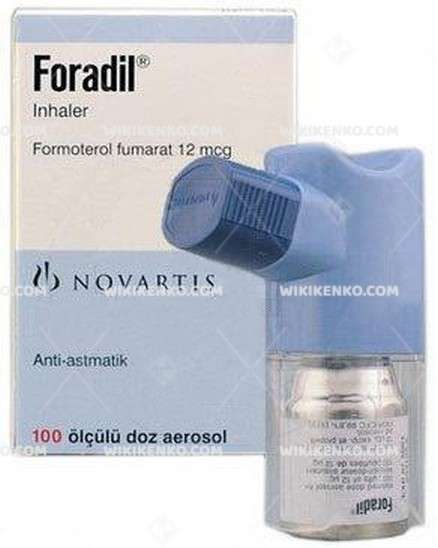
Foradil Olculu Doz Aerosol is a metered-dose inhaler medication containing formoterol fumarate, a long-acting beta-2 adrenergic receptor agonist (LABA) that serves as a bronchodilator in the management of respiratory conditions. This comprehensive article provides detailed information about this medication, including its mechanism of action, therapeutic uses, administration guidelines, and safety profile.
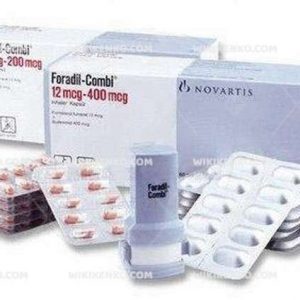
Foradil Olculu Doz Aerosol
Foradil Olculu Doz Aerosol is the Turkish market name for a formoterol fumarate inhaler containing 12 micrograms of the active ingredient per metered dose. Formoterol, the active component, is formulated as a fumarate salt and delivered through a pressurized metered-dose inhaler system. This medication belongs to the class of long-acting bronchodilators that help to relax airway muscles and improve breathing for approximately 12 hours following administration, making it suitable for twice-daily dosing regimens.
Unlike short-acting bronchodilators that provide immediate relief, Foradil is primarily intended for maintenance therapy rather than rescue treatment during acute respiratory distress episodes. Its prolonged action profile makes it valuable for the regular management of chronic respiratory conditions, helping patients maintain consistent airflow and reduce symptom frequency.
Mechanism of Action
Bronchodilator Effect
Formoterol fumarate acts selectively on beta-2 adrenergic receptors found predominantly in bronchial smooth muscle cells. When inhaled, the medication binds to these receptors, activating a cascade of cellular responses that ultimately lead to relaxation of the airway smooth muscles. This relaxation counteracts bronchospasm and improves airflow to the lungs.
Unique Pharmacological Properties
What distinguishes formoterol from other bronchodilators is its unique combination of rapid onset and prolonged duration of action. The molecule possesses moderate lipophilicity and high water solubility, allowing it to quickly reach bronchial smooth muscle cells and initiate bronchodilation within minutes of inhalation. Simultaneously, formoterol creates a depot within smooth muscle tissue, from which it gradually dissociates to maintain therapeutic effects for approximately 12 hours.
Therapeutic Indications
Asthma Management
Foradil Olculu Doz Aerosol is indicated for the maintenance treatment of asthma as an add-on therapy to inhaled corticosteroids. It is important to note that formoterol should never be used as monotherapy for asthma due to safety concerns; long-acting beta-agonists without concomitant inhaled corticosteroids have been associated with increased risk of asthma-related mortality.
Chronic Obstructive Pulmonary Disease
For patients with COPD, including chronic bronchitis and emphysema, Foradil helps to improve airflow obstruction, reduce exacerbations, and alleviate symptoms such as dyspnea, wheezing, and cough. The medication’s long-acting properties make it particularly beneficial for maintaining bronchodilation throughout the day and night.
Exercise-Induced Bronchospasm
Foradil may also be prescribed to prevent bronchospasm triggered by physical activity, offering protection that extends through longer periods of exercise compared to short-acting bronchodilators.
Dosage and Administration
Standard Dosing Guidelines
For adults and children 5 years of age and older with asthma, the usual recommended dosage is inhalation of one 12-mcg dose every 12 hours. The maximum daily dose should not exceed 24 micrograms (two inhalations per day). For COPD management in adults, the same dosing regimen typically applies.
Administration Technique
The medication should only be administered via oral inhalation using the provided metered-dose inhaler. Proper inhalation technique is crucial for optimal medication delivery to the lungs. Patients should exhale fully before administration, place the mouthpiece between their lips, inhale deeply while activating the inhaler, hold their breath for 10 seconds if possible, and then exhale slowly.
Maintenance Schedule
For maximum effectiveness, Foradil should be used regularly at evenly spaced intervals, typically morning and evening. It should not be used for the immediate relief of acute asthma symptoms or exacerbations. Patients experiencing acute symptoms should use a short-acting rescue bronchodilator instead.
Pharmacokinetics and Pharmacodynamics
Formoterol demonstrates unique pharmacokinetic properties that contribute to its clinical effectiveness. Following inhalation, plasma concentrations of the drug are typically very low or undetectable due to its targeted delivery to the lungs. The medication has a half-life of approximately 10 hours, supporting its twice-daily dosing schedule.
Upon inhalation, the onset of bronchodilation occurs within 1-3 minutes, comparable to fast-acting bronchodilators like salbutamol. However, formoterol maintains its therapeutic effect for approximately 12 hours, providing sustained symptom relief throughout the day with fewer administrations.
Warnings and Precautions
Asthma-Related Mortality Risk
Long-acting beta-agonists, including formoterol, have been associated with an increased risk of asthma-related death when used without concomitant inhaled corticosteroids. This risk has led to strict guidelines requiring LABA medications to be prescribed only in conjunction with appropriate anti-inflammatory therapy for asthma patients.
Cardiovascular Effects
Patients with underlying cardiovascular conditions require special monitoring while using Foradil. The medication may potentially cause ECG changes, QT prolongation, increased heart rate, and blood pressure alterations, particularly at higher doses. Caution is advised for patients with ischemic heart disease, cardiac arrhythmias, hypertension, or other cardiovascular conditions.
Paradoxical Bronchospasm
As with other inhaled medications, there is a risk of paradoxical bronchospasm (worsening of breathing) immediately after using Foradil. If this occurs, treatment should be discontinued immediately and alternative therapy initiated.
Side Effects
Common Adverse Reactions
The most frequently reported side effects include body aches, headache, tremor, palpitations, cough, throat irritation, and upper respiratory tract infections. Most of these effects tend to be mild and diminish with continued use of the medication.
Serious Adverse Events
More serious potential side effects include significant cardiovascular effects (tachyarrhythmias, QT prolongation), severe hypersensitivity reactions, hypokalemia (low potassium levels), hyperglycemia (elevated blood sugar), and severe bronchospasm. These events, while rare, warrant immediate medical attention.
Metabolic Considerations
Formoterol may affect potassium and glucose metabolism. Regular monitoring of potassium levels and blood glucose may be necessary, particularly in patients with diabetes, hypokalemia, or those receiving medications that can affect these parameters.
Special Populations
Pediatric Use
Foradil is approved for use in children aged 5 years and older for asthma management when used in conjunction with inhaled corticosteroids. The safety and efficacy in children younger than 5 years have not been established.
Geriatric Use
Elderly patients may use Foradil without specific dose adjustments. However, closer monitoring is recommended due to increased susceptibility to beta-agonist effects and potential comorbidities in this population.
Pregnancy and Lactation
Limited data are available regarding the use of formoterol during pregnancy. The medication should be used during pregnancy only if the potential benefit justifies the potential risk to the fetus. Similarly, caution is advised during breastfeeding, as it is not known whether formoterol is excreted in human milk.
Drug Interactions
Formoterol may interact with various medications, including other beta-adrenergic agonists (potential additive effects), beta-blockers (antagonistic effects), QT-prolonging drugs (increased risk of cardiac arrhythmias), and drugs that can deplete potassium levels such as certain diuretics. Healthcare providers should carefully consider these potential interactions when prescribing Foradil.
Key Information
| Category | Information |
|---|---|
| Active Ingredient | Formoterol fumarate dihydrate 12 mcg per metered dose |
| Pharmaceutical Form | Metered-dose aerosol inhaler |
| Therapeutic Class | Long-acting beta-2 adrenergic agonist (LABA) |
| Primary Indications | Asthma (with ICS), COPD, Exercise-induced bronchospasm |
| Standard Adult Dosage | 12 mcg twice daily (every 12 hours) |
| Maximum Daily Dose | 24 mcg (2 inhalations per day) |
| Pediatric Approval | Children 5 years and older |
| Onset of Action | 1-3 minutes |
| Duration of Action | Approximately 12 hours |
| Common Side Effects | Headache, tremor, palpitations, cough, throat irritation |
| Serious Side Effects | Cardiovascular effects, paradoxical bronchospasm, hypokalemia |
| Contraindications | Monotherapy for asthma, hypersensitivity to ingredients, cardiac tachyarrhythmias |
| Storage Requirements | Store at room temperature, protect from heat and moisture |
| Special Precautions | Not for acute symptom relief, requires concomitant ICS for asthma |
Conclusion
Foradil Olculu Doz Aerosol represents an important therapeutic option in the management of chronic respiratory conditions such as asthma and COPD. Its long-acting bronchodilatory effects provide sustained symptom relief with convenient twice-daily dosing. However, the medication must be used according to established guidelines, particularly the requirement for concomitant inhaled corticosteroid therapy in asthma patients.
The effectiveness of this medication depends significantly on proper administration technique and adherence to prescribed regimens. Patients should work closely with healthcare providers to ensure optimal use of Foradil Olculu Doz Aerosol as part of a comprehensive respiratory disease management plan. Regular follow-up evaluations are essential to monitor treatment efficacy and adjust therapy as needed based on symptom control and potential adverse effects.











Reviews
There are no reviews yet.