

Description
Diafuryl Suspension is an oral intestinal antiseptic medication containing nifuroxazide, widely utilized for treating various gastrointestinal infections. First patented in 1966, this medication is available in several countries, including Turkey and France, where it has become a standard treatment option for acute diarrheal conditions. The medication functions primarily as an antibacterial agent targeting intestinal pathogens without significantly affecting the natural gut flora, making it an effective choice for gastrointestinal disturbances of bacterial origin.
Composition and Formulation
Active Ingredient
The active pharmaceutical ingredient in Diafuryl Suspension is nifuroxazide, a nitrofuran-class antibiotic specifically designed to combat intestinal infections. Each 5 ml of the suspension contains approximately 220 mg of nifuroxazide (equivalent to 200 mg/5 ml). The full formulation typically contains 4g of nifuroxazide per bottle.
Excipients
The suspension formulation contains several excipients to ensure stability, palatability, and proper drug delivery. These typically include citric acid monohydrate, C.M.C (cekol 1000), saccharin sodium, sodium propylparaben, sodium methylparaben, sodium benzoate, liquid banana flavoring, Tween 80, Aerosil 200, and purified water. Some formulations may also contain sugar (approximately 14,400 mg per 60 ml) and a small amount of ethanol (700 mg per 60 ml).
Mechanism of Action
Nifuroxazide works primarily in the intestinal lumen without significant systemic absorption, which contributes to its favorable safety profile. As a nitrofuran derivative, it exhibits broad-spectrum antimicrobial activity against various enteropathogens including Shigella, Escherichia coli, Salmonella, Staphylococci, Klebsiella, and Yersinia that commonly cause intestinal infections.
The active ingredient inhibits the growth of bacteria and other microorganisms in the digestive tract by interfering with their metabolic processes. Specifically, nifuroxazide is known to disrupt bacterial protein synthesis, preventing pathogen reproduction while leaving the beneficial intestinal flora relatively unaffected. This mechanism allows it to effectively combat gastrointestinal infections without the systemic effects associated with traditional antibiotics.
Medical Uses and Indications
Primary Indications
Diafuryl Suspension is primarily indicated for the treatment of acute non-invasive diarrhea presumed to be of bacterial origin. Clinical studies have demonstrated its efficacy in reducing the duration and severity of acute diarrheal episodes compared to both placebo and probiotic treatments.
Specific Conditions
The medication is effectively used in treating:
-
Acute bacterial diarrhea
-
Treatment and prevention of traveler’s diarrhea
-
Gastroenteritis
-
Acute and chronic colitis
-
As an intestinal antiseptic in various types of diarrhea to prevent superimposed bacterial infections
Recent research has also indicated additional therapeutic potential, with studies exploring nifuroxazide’s efficacy in inflammatory conditions like ulcerative colitis through modulation of the IL-6/STAT-3/Wnt signaling pathway.
Dosage and Administration
Recommended Dosage
Dosage recommendations vary by age and formulation:
For Suspension:
-
Children over 2 years: Generally 3 measuring spoons per day in divided doses
-
Children aged 1 to 30 months: 1 to 3 measuring spoons per day depending on age
For Capsule Form (for comparison):
-
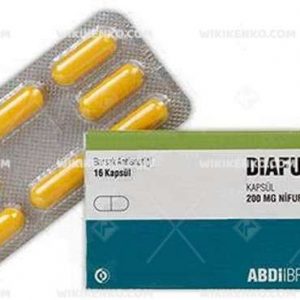
Adults and children over 15 years: 200 mg capsule 4 times daily (total 800 mg daily)
Method of Administration
Diafuryl Suspension should be taken orally. The bottle must be shaken well before each use to ensure proper distribution of the active ingredient. The medication is typically administered with meals to enhance tolerance.
Duration of Treatment
Treatment duration with Diafuryl Suspension is generally limited to 3 days for acute conditions. However, in some cases, therapy may continue for up to 7 days, but should not exceed this duration without medical reassessment.
Clinical Efficacy
Research supports the effectiveness of nifuroxazide in treating acute diarrheal syndrome. A prospective comparative study published in 2022 demonstrated that nifuroxazide treatment resulted in faster improvement of patients’ condition compared to probiotic treatment. The study showed that nifuroxazide-treated patients had a significantly lower number of stools three and seven days after therapy initiation (p=0.001 and p<0.001, respectively) and faster stool consistency normalization.
By the seventh day of treatment, 86% of patients in the nifuroxazide group had normalized stool consistency compared to only 20% in the probiotic group, demonstrating superior efficacy. Patients receiving nifuroxazide also reported better subjective assessment of health condition improvement and therapy tolerability.
Side Effects and Safety Profile
Common Side Effects
Like all medications, Diafuryl Suspension may cause some unwanted effects, although not everybody experiences them. Common side effects include:
-
Allergic skin reactions such as rash and urticaria
-
Gastrointestinal discomfort
-
Changes in stool consistency and color
Serious Adverse Reactions
Rare but serious side effects that require immediate medical attention include:
-
Quincke oedema (angioedema)
-
Anaphylactic shock
-
Swelling of lips, face, or tongue
-
Difficulty breathing
The safety profile of nifuroxazide is generally favorable due to its minimal systemic absorption, which limits systemic side effects commonly associated with antibiotic use.
Contraindications
Diafuryl Suspension is contraindicated in the following conditions:
-
Hypersensitivity to nitrofuran derivatives or to any of the components of the formulation
-
Premature infants and children under 2 years of age
-
Patients with fructose intolerance, glucose-galactose malabsorption syndrome, or sucrase-isomaltase deficiency (due to excipients in some formulations)
Special Precautions and Warnings
Pregnancy and Breastfeeding
As a precautionary measure, nifuroxazide should be avoided during pregnancy due to limited data evaluating its potential teratogenic or fetotoxic effects. However, breastfeeding can continue normally if therapy with Diafuryl is limited in duration.
Pediatric Use
The suspension formulation is suitable for children over 2 years of age, with adjusted dosing based on age. The capsule formulation should not be used in children under 15 years of age.
Additional Precautions
-
The importance of rehydration through oral rehydration therapy or intravenous fluids should be emphasized, with intensity adjusted according to the severity of diarrhea, the patient’s age, and any associated conditions
-
Treatment should be discontinued if no improvement is observed after 3 days
-
Diafuryl is not suitable for invasive infections
Storage and Handling
Diafuryl Suspension should be stored below 30°C in its original container. The reconstituted suspension typically has a shelf life of up to 4 years when properly stored. Patients should shake the bottle well before each use and keep it tightly closed when not in use.
Comprehensive Information Table
| Parameter | Details |
|---|---|
| Active Ingredient | Nifuroxazide |
| Formulation | Oral suspension |
| Strength | 200 mg/5 ml (4 g per bottle) |
| Primary Indications | Acute bacterial diarrhea, traveler’s diarrhea, gastroenteritis, colitis |
| Dosage (Adults) | Not typically used in adults (capsule form preferred) |
| Dosage (Children) | Children >2 years: 3 measuring spoons daily in divided doses Children 1-30 months: 1-3 measuring spoons daily based on age |
| Administration Method | Oral use, shake well before administration |
| Treatment Duration | 3-7 days maximum |
| Common Side Effects | Allergic skin reactions, rash, gastrointestinal discomfort |
| Serious Side Effects | Quincke oedema, anaphylactic shock, difficulty breathing |
| Contraindications | Hypersensitivity to nitrofurans, children under 2 years |
| Pregnancy Safety | Not recommended (precautionary) |
| Breastfeeding Safety | Compatible with breastfeeding if treatment is brief |
| Storage Conditions | Store below 30°C |
| Mechanism of Action | Intestinal antiseptic acting against bacterial pathogens |
| Available Markets | Turkey, France, and other European countries |
Conclusion
Diafuryl Suspension represents an effective first-line treatment for acute diarrheal conditions of presumed bacterial origin. Containing nifuroxazide as its active ingredient, this medication provides targeted antimicrobial activity in the intestinal tract with minimal systemic absorption, resulting in an advantageous safety profile. Clinical evidence supports its superiority over probiotics in treating acute diarrheal syndrome, with faster resolution of symptoms and higher patient satisfaction.
The suspension formulation makes it particularly suitable for pediatric patients over 2 years of age who may have difficulty swallowing capsules. However, as with all medications, Diafuryl should be used according to medical advice, with particular attention to proper dosing, duration limitations, and concomitant rehydration strategies when necessary.
Healthcare providers should consider Diafuryl Suspension as a valuable therapeutic option for the management of acute non-invasive diarrheal conditions, while remaining mindful of its contraindications and precautions, particularly regarding use in special populations such as pregnant women and young children.











Reviews
There are no reviews yet.