
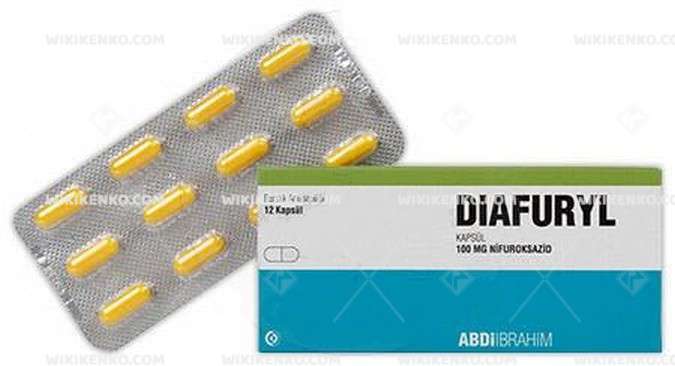
Diafuryl Capsule

Manufacturer

Origin

Generic Name (Ingredient)

Nifuroksazid 100 Mg

Diafuryl, featuring nifuroxazide, stands as a highly effective first-line therapy for acute diarrhea of presumed bacterial origin, with robust clinical evidence highlighting its superiority over placebo and probiotic treatments. Its targeted action within the intestinal lumen, minimal systemic absorption, and ability to preserve beneficial gut flora underpin its favorable efficacy and safety profile, making it a cornerstone in the management of acute bacterial diarrhea.

read more

Assuming you’re in a life-threatening situation and require immediate access to medication, please visit our Community Support Network page.


Description

Diafuryl is an oral intestinal antiseptic medication containing the active ingredient nifuroxazide, commonly used for treating various forms of diarrhea. Available in multiple markets including Turkey and several European countries, this pharmaceutical preparation has been utilized in clinical practice since its patent in 1966. Diafuryl functions primarily as an antibacterial agent that targets intestinal pathogens without significantly affecting the natural gut flora.

The medication has demonstrated considerable efficacy in reducing the duration and severity of acute diarrheal episodes compared to both placebo and probiotic treatments in controlled clinical trials.

Composition and Formulation

Diafuryl contains nifuroxazide as its active pharmaceutical ingredient, which belongs to the nitrofuran class of antibiotics. The medication is available in multiple formulations to accommodate different patient populations and therapeutic needs.

The primary formulations include hard gelatin capsules containing either 100 mg or 200 mg of nifuroxazide. Additionally, for patients who have difficulty swallowing capsules, particularly children, Diafuryl is available as an oral suspension, with each 5 ml containing approximately 220 mg of nifuroxazide. The capsules typically contain additional excipients including sugar (approximately 22 mg per capsule in some formulations), which may be clinically relevant for patients with diabetes or those on carbohydrate-restricted diets.

Mechanism of Action

Nifuroxazide, the active component in Diafuryl, functions as an intestinal antiseptic with specific activity against numerous pathogenic bacteria commonly associated with gastrointestinal infections.

The drug works primarily in the intestinal lumen without significant systemic absorption, which contributes to its favorable safety profile. As a nitrofuran derivative, nifuroxazide exhibits antimicrobial activity against various enteropathogens including Shigella, Escherichia coli, Salmonella, Staphylococci, Klebsiella, and Yersinia species. Unlike many systemic antibiotics, nifuroxazide does not significantly disrupt the beneficial intestinal flora, which helps maintain gut homeostasis and reduces the risk of antibiotic-associated diarrhea. This targeted mechanism allows for effective treatment of bacterial diarrhea without the broader ecological disruption often associated with conventional antibiotic therapy.

Clinical Applications

Diafuryl is primarily indicated for the treatment of acute diarrhea presumed to be of bacterial origin that is non-invasive (without general condition deterioration, fever, or toxicity symptoms). Additional therapeutic applications include:

  1. Gastroenteritis of bacterial etiology

  2. Acute and chronic colitis

  3. Treatment and prevention of traveler’s diarrhea

  4. Adjunctive therapy for acute inflammatory colitis

  5. Use as an intestinal antiseptic in other types of diarrhea to prevent superimposed bacterial infections

The medication is intended for short-term use only, with treatment generally limited to three days. If symptoms persist beyond this period, consultation with a healthcare provider is essential for reevaluation.

Efficacy

Clinical research has consistently demonstrated the efficacy of nifuroxazide in managing acute diarrheal conditions. In a double-blind controlled study comparing nifuroxazide to placebo, patients receiving nifuroxazide experienced a significantly shorter duration of diarrhea (2.09 days versus 3.26 days in the placebo group). The number of daily bowel movements decreased more rapidly, and intestinal mucus disappeared more quickly in the treatment group.

Multiple comparative studies have also established nifuroxazide’s superior efficacy compared to probiotics. In an open clinical trial involving 169 adult patients, the mean time to last unformed stool was two days in patients treated with nifuroxazide (200 mg four times daily), while probiotic-treated patients required five days for stool normalization.

A subsequent prospective study confirmed these findings, with nifuroxazide demonstrating faster improvement in patients’ condition, more rapid normalization of stool consistency, and greater patient satisfaction compared to probiotic treatment. These clinical outcomes support nifuroxazide as a first-choice empirical treatment for acute diarrheal syndrome in adults.

Dosage and Administration

The appropriate dosage of Diafuryl varies according to patient age, formulation, and the specific condition being treated. The medication should be administered orally, with capsules swallowed whole with a glass of water. The standard therapeutic regimen is outlined below.

Capsule Formulation

For adults and adolescents over 15 years of age:

  • Standard dose: 200 mg (1 capsule) taken 4 times daily

  • Treatment duration: Limited to 3 days

For the 100 mg capsule formulation, the dosage may be adjusted accordingly, typically 1-2 capsules taken 4 times daily depending on severity and patient factors.

Suspension Formulation

For children aged 1-30 months:

  • Standard dose: 1-3 measuring spoons per day, depending on age

For children older than 30 months:

  • Standard dose: 3 measuring spoons per day, divided into 3 doses

In all cases, maintaining proper hydration is essential during treatment of diarrheal conditions, and oral rehydration therapy may be necessary depending on the severity of fluid loss. If a dose is missed, it should be taken as soon as remembered, unless it is nearly time for the next scheduled dose. Double doses should be avoided.

Contraindications and Precautions

Diafuryl capsules are contraindicated in several specific situations:

  1. Known hypersensitivity to nifuroxazide or other nitrofuran derivatives

  2. Children under 15 years of age should not use the capsule formulation due to the risk of choking

  3. Patients with bloody stools

  4. Presence of high fever

  5. Persistent vomiting

  6. Continued diarrhea after three days of treatment

Additional precautions include monitoring for signs of acute pancreatitis, which may include nausea, vomiting, and severe abdominal pain. If these symptoms develop, patients should discontinue the medication immediately and consult their healthcare provider.

For patients experiencing diarrhea, a specific dietary regimen is recommended to prevent dehydration and replenish lost minerals and vitamins. Foods such as rice, bananas, beef, and mint tea may be beneficial, while dairy products and chamomile tea should be avoided.

Special Considerations

Use During Pregnancy and Breastfeeding

Pregnancy: As a precautionary measure, nifuroxazide is generally not recommended during pregnancy. Although animal studies have not shown teratogenic effects, and human harm is not anticipated, the absence of definitive human studies warrants caution. For pregnant women experiencing diarrhea, dietary modifications represent the first-line approach to symptom management.

Breastfeeding: Breastfeeding remains possible during brief treatment courses with nifuroxazide. The recommended maximum duration for use during lactation is three days. This guidance reflects the drug’s limited systemic absorption and consequent minimal presence in breast milk.

Use in Children

The capsule formulation of Diafuryl is not recommended for children under 15 years of age due to the risk of choking. For younger pediatric patients, the suspension formulation is more appropriate. The dosing should be adjusted according to the child’s age, with careful attention to maintaining adequate hydration, which is particularly critical in children with diarrhea. Parents should be advised that if a child’s symptoms do not improve within three days, or if they worsen at any point, medical attention should be sought promptly.

Side Effects and Safety Profile

Nifuroxazide is generally well-tolerated, with clinical trials reporting minimal adverse effects. In controlled studies, no significant side effects were observed in the treatment groups. The drug’s limited systemic absorption contributes to its favorable safety profile, as most of the active compound remains within the intestinal lumen.

However, as with any medication, adverse reactions may occur in some patients. Potential side effects include:

  1. Hypersensitivity reactions in patients with a history of allergy to nitrofuran derivatives

  2. Rare cases of acute pancreatitis, presenting with nausea, vomiting, and severe abdominal pain

  3. Potential dehydration related to the underlying diarrheal condition rather than a direct drug effect

Due to its intestinal-specific action, nifuroxazide does not typically interact with systemically administered medications. Nevertheless, patients should inform their healthcare providers about all medications they are currently taking to avoid potential interactions.

Storage and Handling

Diafuryl capsules and suspension should be stored below 30°C in a dry place. The medication should be kept in its original packaging until use and protected from excessive heat and moisture. As with all medications, Diafuryl should be kept out of reach of children. Expired medication should be properly disposed of according to local regulations for pharmaceutical waste.

Table of Key Information

Category Information
Active Ingredient Nifuroxazide
Available Forms Capsules (100 mg, 200 mg), Suspension (220 mg/5 ml)
Classification Oral nitrofuran antibiotic, Intestinal antiseptic
Primary Indications – Acute bacterial diarrhea
– Gastroenteritis
– Acute and chronic colitis
– Traveler’s diarrhea prevention
Standard Adult Dosage 200 mg (1 capsule) 4 times daily
Treatment Duration Limited to 3 days
Contraindications – Hypersensitivity to nitrofurans
– Children under 15 (capsule form)
– Bloody stools
– High fever
– Persistent vomiting
Common Side Effects Generally well-tolerated, few reported adverse effects
Pregnancy Category Not recommended (precautionary)
Breastfeeding Compatible with short-term treatment
Storage Conditions Store below 30°C
Clinical Efficacy Superior to probiotics and placebo in reducing diarrhea duration
Major Benefits – Rapid symptom relief (average 2 days)
– Preserves gut flora
– Targeted intestinal action
– Well-tolerated

Conclusion

Diafuryl (nifuroxazide) represents an effective first-line treatment option for acute diarrhea of presumed bacterial origin, with multiple clinical trials demonstrating its superiority over both placebo and probiotic interventions. The medication’s targeted action in the intestinal lumen, limited systemic absorption, and preservation of beneficial gut flora contribute to its favorable efficacy and safety profile.

With appropriate patient selection and adherence to recommended dosing guidelines, Diafuryl offers rapid symptom resolution for adults experiencing acute diarrheal episodes. However, as with any antimicrobial therapy, responsible use is essential to maximize benefits while minimizing the potential for resistance development. For persistent or severe symptoms, particularly those accompanied by blood, fever, or significant dehydration, prompt medical consultation remains imperative.

Reviews

There are no reviews yet.

Be the first to review “Diafuryl Capsule”

Your email address will not be published. Required fields are marked *

Use the form below to report an error

Please answer the questions as thoroughly and accurately as possible. Your answers will help us better understand what kind of mistakes happen, why and where they happen, and in the end the purpose is to build a better archive to guide researchers and professionals around the world.


If an image of the drug is not available on the Wikikenko health encyclopedia, you have the option to submit images/leaflets of the product. Following verification by our pharmaceutical specialist, your submitted images/leaflets will be included in our archive, with due acknowledgment of your contribution. Your cooperation in this matter would greatly assist researchers in finding the information they seek. Upload Images/Leaflet (Less than 2MB)

No Choosen File

Wikikenko.com does not sell, distribute, or provide any pharmaceutical products or health services. Our platform functions solely as a health encyclopedia, providing information on a wide range of health topics, including but not limited to medications.


Medical Disclaimer: Seek Professional Advice

The information on this page is not intended to be a substitute for professional medical advice, diagnosis, or treatment. always seek the advice for your physician or another qualified health provider with any questions you may have regarding a medical condition. Always remember to

  1. Ask your own doctor for medical advice.
  2. Names, brands, and dosage may differ between countries.
  3. When not feeling well, or experiencing side effects always contact your own doctor.

Why you can't look for symptoms on the Internet

If diagnoses could be made simply from a textbook or an article on a website, we would all be doctors and treat ourselves. Nothing can replace the experience and knowledge of specially trained people. As in any field, in medicine there are unscrupulous specialists, differences of opinion, inaccurate diagnoses and incorrect test results. According to Wikipedia, cyberchondria is a mental disorder consisting in the desire to independently make a diagnosis based on the symptoms of diseases described on Internet sites.
 

People also search for…


More results…

Generic selectors
Exact matches only
Search in title
Search in content
Post Type Selectors

The expert search feature is especially useful for healthcare professionals, researchers, and scientists who require accurate and up-to-date information on pharmaceutical products. By narrowing down their searches using filters, they can easily access the relevant data they need, making informed decisions about treatment options or drug research endeavors.

Expert Search  →


Recent comments