
Description
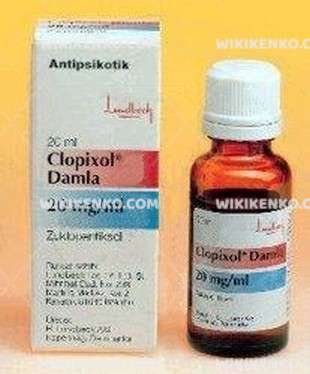
What is Clopixol Drop?
Active Ingredient
Zuclopenthixol, the active substance in Clopixol Drops, belongs to the class of antipsychotic medicines, also known as neuroleptics. These medications act on specific nerve pathways in the brain, helping to correct chemical imbalances responsible for the symptoms of mental illnesses.
Forms and Administration
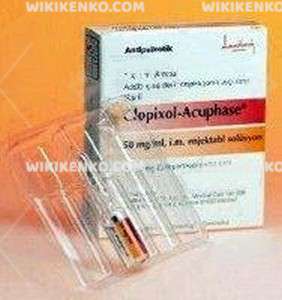
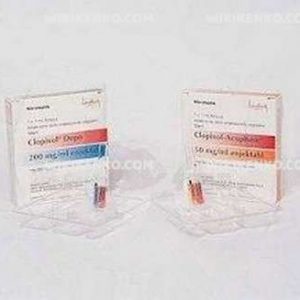
Clopixol is available in several forms, including oral drops, tablets, and intramuscular injections. The oral drops are typically prescribed for patients who are compliant with oral medication.
Uses of Clopixol Drop
Treatment of Schizophrenia and Psychoses
Clopixol Drop is primarily used for treating schizophrenia and other related psychoses. It helps manage symptoms such as hallucinations, delusions, and thought disorders.
Management of Mania
Clopixol Drop is also effective in treating mania, a condition characterized by elevated mood, overactivity, and impulsive behavior.
Control of Agitation and Aggressiveness
In mentally handicapped individuals, Clopixol Drop helps control agitation and aggressiveness, promoting better overall management of these individuals.
How Clopixol Drop Works
Zuclopenthixol works by acting on nerve pathways in specific areas of the brain, helping to correct chemical imbalances that cause symptoms of mental illnesses.
Dosage and Administration
Starting Dose
The typical starting dose for Clopixol Drop ranges from 10 mg (10 oral drops) to 50 mg (50 oral drops) per day. This dose may gradually be increased to 75 mg (75 oral drops) per day based on patient response and medical advice.
Maintenance Dose
The maintenance dose varies depending on the patient’s response to the medication and the severity of the condition. Regular monitoring by a healthcare provider is essential to determine the optimal dose.
Precautions and Warnings
Before Using Clopixol Drop
Patients should inform their healthcare provider if they have a history of liver problems, convulsions, diabetes, or cardiovascular disorders. Clopixol Drop is not recommended for use in children and adolescents.
Drug Interactions
Clopixol Drop may interact with other medications, including tricyclic antidepressants, barbiturates, and medicines used to treat epilepsy. It is crucial for patients to inform their healthcare provider about all the medications they are taking to avoid potential interactions.
Storage and Disposal
Clopixol Drop should be stored in a cool, dry place away from direct sunlight. It should be kept out of reach of children. Proper disposal of unused or expired medication is essential to prevent accidental ingestion or environmental contamination.
Common Side Effects of Clopixol
Common side effects of Clopixol include:
- Drowsiness: Feeling unusually sleepy or tired.
- Dry mouth: A lack of saliva in the mouth.
- Weight gain: An increase in body weight.
- Dizziness: A sensation of spinning or losing balance.
- Constipation: Difficulty in passing stools.
- Blurred vision: Difficulty seeing clearly.
- Increased appetite: Feeling hungrier than usual.
If you experience any of these side effects, it is important to inform your healthcare provider. They can help manage these symptoms and adjust your treatment if necessary.
How Long Does It Take for Clopixol to Start Working?
Clopixol (zuclopenthixol) generally takes four to six months to show its full effects, although some patients might notice improvements sooner depending on their individual response to the medication.
How to Take Clopixol for Best Results
To achieve the best results from Clopixol, it is crucial to follow your doctor’s instructions carefully. Here are some general guidelines:
Administration
- Oral Drops: Turn the bottle completely upside down. If no drops come out, tap the bottle lightly to start the flow. Always take Clopixol exactly as your doctor has told you.
- Tablets: Take this medication by mouth with or without food as directed by your doctor. Swallow the tablets whole with a glass of water. Do not chew them.
Dosage
- Starting Dose: Your doctor may direct you to take a low dose initially, gradually increasing it to minimize side effects such as drowsiness.
- Maintenance Dose: Your doctor will adjust your dose to find the best dose for you.
General Tips
- Consistency: Take your medication at the same time each day to maintain an even level in your bloodstream.
- Avoid Alcohol: Avoid drinking alcohol while taking this medication as it can increase drowsiness and other side effects.
- Regular Check-ups: Keep regular appointments with your doctor to monitor your progress and adjust the dosage if necessary.
- Sun Exposure: This drug may make you sunburn more easily. Use care if you will be in the sun.
Precautions
- Inform Your Doctor: Tell your doctor about all the medications you are taking, including over-the-counter drugs and supplements.
- Monitor Side Effects: Be aware of common side effects like drowsiness, dry mouth, and weight gain, and report any serious side effects to your doctor immediately.
Following these guidelines can help you get the most benefit from Clopixol while minimizing potential side effects. If you have any concerns or questions about your treatment, don’t hesitate to discuss them with your healthcare provider.
Drug Interactions with Clopixol
Important drug interactions to be aware of when taking Clopixol include:
- Enhanced Sedative Effects: Alcohol and other central nervous system (CNS) depressants can enhance the sedative effects of Clopixol, leading to increased drowsiness and impaired coordination.
- Reduced Antihypertensive Effect: Clopixol can reduce the antihypertensive effect of guanethidine, a medication used to treat high blood pressure.
- Increased Risk of Extrapyramidal Symptoms: Concomitant use of metoclopramide and piperazine with Clopixol increases the risk of extrapyramidal symptoms, which are drug-induced movement disorders.
- Heartbeat Changes: Medicines that affect the heartbeat, such as quinidine, amiodarone, sotalol, dofetilide, erythromycin, moxifloxacin, cisapride, and lithium, should not be taken at the same time as Clopixol.
- Other Antipsychotic Medicines: Taking other antipsychotic medicines with Clopixol can increase the risk of side effects and interactions.
It is important to inform your healthcare provider about all the medications you are currently taking, including over-the-counter drugs and supplements, to avoid potential interactions. If you have any concerns or experience any unusual symptoms, consult your doctor immediately.
Precautions and Warnings Related to Clopixol
Before Taking Clopixol
- Medical History: Inform your doctor if you have a history of liver problems, kidney problems, heart conditions, epilepsy, Parkinson’s disease, glaucoma, or any other significant medical conditions.
- Allergies: Do not take Clopixol if you are allergic to zuclopenthixol or any other ingredients in the medication.
- Pregnancy and Breastfeeding: If you are pregnant, planning to become pregnant, or breastfeeding, discuss with your doctor whether Clopixol is safe for you.
During Treatment
- Regular Monitoring: Keep regular appointments with your doctor to monitor your progress and adjust the dosage if necessary.
- Avoid Alcohol: Alcohol can increase the sedative effects of Clopixol, leading to increased drowsiness and impaired coordination.
- Driving and Operating Machinery: Clopixol may cause drowsiness and slow your reactions. Avoid driving or operating heavy machinery until you know how the medication affects you.
Potential Risks
- Heart Conditions: Clopixol can affect heart rhythm. Inform your doctor if you have any heart conditions or a family history of heart problems.
- Blood Clots: Medicines like Clopixol have been associated with the formation of blood clots. Inform your doctor if you or someone in your family has a history of blood clots.
- Sun Exposure: This medication may make you more sensitive to sunlight. Use sunscreen and wear protective clothing when outdoors.
Drug Interactions
- Other Medications: Inform your doctor about all the medications you are taking, including over-the-counter drugs and supplements, to avoid potential interactions.
- Enhanced Sedative Effects: Clopixol can enhance the sedative effects of alcohol, barbiturates, and other CNS depressants.
Special Populations
- Children and Adolescents: Clopixol is not recommended for use in children and adolescents.
- Elderly Patients: Elderly patients may be more sensitive to the side effects of Clopixol and may require lower doses.
Following these precautions and warnings can help ensure the safe and effective use of Clopixol. If you have any concerns or experience any unusual symptoms, consult your healthcare provider immediately.
Summary of Clopixol Information
| Category | Details |
|---|---|
| Uses | Schizophrenia, psychoses, mania, control of agitation and aggressiveness |
| Active Ingredient | Zuclopenthixol |
| Forms | Oral drops, tablets, intramuscular injections |
| Starting Dose | 10 mg to 50 mg per day |
| Maintenance Dose | Varies based on patient response and condition severity |
| Common Side Effects | Drowsiness, dry mouth, weight gain, dizziness, constipation, blurred vision, increased appetite |
| Drug Interactions | Alcohol, barbiturates, CNS depressants, guanethidine, metoclopramide, piperazine, medications affecting heartbeat, other antipsychotic medicines |
| Precautions and Warnings | Inform doctor of medical history and current medications, avoid alcohol, monitor side effects, use caution with sun exposure, special considerations for elderly and children |
| Storage and Disposal | Store in a cool, dry place away from direct sunlight, keep out of reach of children, dispose of unused/expired medication properly |
By adhering to these guidelines and consulting with healthcare providers, patients can effectively manage their conditions with Clopixol while minimizing potential risks and side effects.


















Reviews
There are no reviews yet.