
Description
Diafuryl Fort is a pharmaceutical preparation containing nifuroxazide, a nitrofuran derivative used primarily as an intestinal antiseptic. Manufactured by Abdi İbrahim İlaç company in Turkey, this medication is widely prescribed for the treatment of acute diarrheal conditions. This article presents a detailed examination of Diafuryl Fort’s composition, therapeutic applications, administration guidelines, and safety profile to provide healthcare professionals and patients with comprehensive information about this medication.
Composition and Pharmaceutical Form
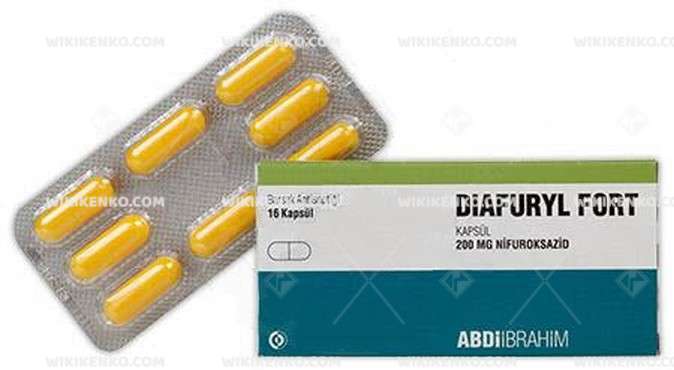
Diafuryl Fort contains nifuroxazide as its active pharmaceutical ingredient, with each capsule containing 200 mg of this compound. The medication is presented in a distinctive half-red, half-transparent hard gelatin capsule containing a yellow powder mixture. In addition to the active ingredient, Diafuryl Fort capsules contain several excipients including starch, sucrose, magnesium stearate, and talc. These inactive ingredients help maintain the stability of the drug and facilitate its administration. The medication is typically available in blister packs containing 16 or 24 capsules.
Mechanism of Action
Nifuroxazide, the active component of Diafuryl Fort, belongs to the nitrofuran family of drugs and functions as a locally acting intestinal antiseptic. When administered orally, nifuroxazide remains largely within the gastrointestinal tract with minimal systemic absorption. It exerts its therapeutic effect by acting directly on bacteria responsible for intestinal infections.
The compound has demonstrated efficacy against numerous enteric pathogens commonly associated with bacterial diarrhea, particularly Escherichia coli. Importantly, nifuroxazide exhibits this antimicrobial activity without significantly disrupting the beneficial saprophytic intestinal flora. The medication’s localized action in the intestine contributes to its favorable safety profile, as it does not produce significant systemic effects or toxicity when used at recommended dosages.
Therapeutic Indications
Diafuryl Fort is primarily indicated as an adjunctive treatment to rehydration therapy for acute diarrhea presumed to be of bacterial origin. It is specifically recommended for non-invasive cases, characterized by the absence of general condition deterioration, fever, or signs of infection or toxicity.
The medication serves as a supplementary treatment alongside appropriate rehydration measures, which remain the cornerstone of diarrhea management. The degree and route of rehydration (oral or intravenous) should be tailored according to the severity of the diarrhea and the patient’s individual characteristics, including age and presence of concomitant diseases.
Clinical Applications
In clinical practice, Diafuryl Fort may be considered for the following conditions:
-
Acute bacterial diarrhea without invasive phenomena
-
Certain cases of gastroenteritis
-
Acute and chronic colitis
-
As an intestinal antiseptic in other types of diarrhea to prevent superimposed bacterial infections
It is important to note that this medication is not appropriate for invasive diarrhea characterized by the presence of blood or mucus in stool, high fever, or significant systemic symptoms, which may require treatment with systemically distributed antibiotics.
Pharmacokinetics
The pharmacokinetic profile of nifuroxazide is characterized by its predominantly local action in the intestinal tract. Following oral administration, approximately 99% of the drug remains in the intestine, with negligible systemic absorption when the intestinal mucosa is intact. This limited absorption explains why the pharmacokinetics of nifuroxazide does not significantly differ in elderly patients or those with hepatic or renal impairment.
Of the administered dose, approximately 20% is eliminated directly through the intestines, while the remainder undergoes chemical transformation within the gastrointestinal environment. The minimal systemic distribution contributes to the medication’s favorable safety profile and limited potential for systemic adverse effects.
Dosage and Administration
Diafuryl Fort is administered orally, with dosage recommendations varying according to patient age:
-
Adults: The standard dosage is 4 capsules (800 mg) daily, divided into 2-4 administrations.
-
Children 6 years and older: 3-4 capsules (600-800 mg) daily, divided into 2-4 administrations.
The medication should be taken at regular intervals throughout the day to maintain consistent intestinal drug levels. Treatment duration should not exceed 7 days, and patients should adhere strictly to the prescribed dosage without exceeding it unless directed by a physician.
Special Population Considerations
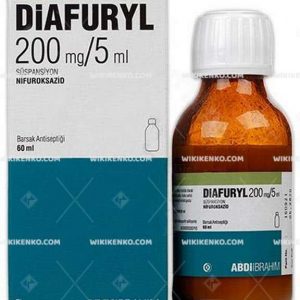
For children under 6 years of age, the capsule formulation is contraindicated due to the risk of choking. In these younger patients, the oral suspension formulation (also available as Diafuryl) is recommended as a more appropriate alternative. For elderly patients, specific dosage adjustments are not generally required, as clinical studies have not demonstrated significant differences in response between younger and older patients.
Contraindications
Diafuryl Fort is contraindicated in the following conditions:
-
Hypersensitivity to nifuroxazide or other nitrofuran derivatives
-
Hypersensitivity to any of the excipients contained in the formulation
-
Children under 6 years of age (for the capsule formulation specifically)
-
Patients with fructose intolerance, glucose-galactose malabsorption syndrome, or sucrase-isomaltase deficiency due to the presence of sucrose in the formulation
Warnings and Precautions
Several important considerations should guide the use of Diafuryl Fort:
-
If diarrhea persists beyond two days of treatment, the therapeutic approach should be reassessed, and appropriate rehydration therapy (oral or intravenous) should be emphasized.
-
For diarrhea characterized by more than six watery stools per day, duration exceeding 24 hours, weight loss, or onset of fever and vomiting, immediate medical consultation is necessary.
-
In cases of severe prolonged diarrhea, severe vomiting, or food refusal, intravenous rehydration should be considered.
-
The presence of blood or mucus in stool indicates potentially invasive disease requiring systemic antibiotics rather than locally acting agents like nifuroxazide.
-
Patients with hereditary fructose intolerance should avoid this medication due to its sucrose content.
During treatment, patients should maintain adequate hydration by consuming sufficient amounts of fluids (approximately 2 liters daily is recommended). Dietary modifications may also be beneficial, including avoiding raw vegetables, fruits, spicy foods, and cold foods/beverages while emphasizing grilled meats and rice. The decision to restrict dairy products should be individualized based on patient response.
Drug Interactions
Diafuryl Fort has a relatively limited potential for drug interactions due to its minimal systemic absorption. However, concurrent use with certain medications should be approached with caution:
-
Disulfiram-type medications: Co-administration is not recommended due to potential interactions.
-
Central nervous system depressants (including alcohol and barbiturates): Concurrent use may result in potentiation of CNS depressant effects and should be avoided.
-
Monoamine Oxidase Inhibitors (MAOIs): Theoretical risk of hypertensive crisis has been reported.
The limited systemic availability of nifuroxazide reduces the likelihood of significant interactions with medications that act systemically.
Side Effects
Diafuryl Fort is generally well-tolerated when used as directed, with a low incidence of adverse effects due to its limited systemic absorption. The most commonly reported adverse reactions involve hypersensitivity responses, which may include:
-
Skin rash
-
Urticaria (hives)
-
Angioedema (Quincke’s edema)
-
In rare cases, anaphylactic reactions
If allergic reactions occur, the medication should be discontinued immediately, and appropriate medical attention should be sought, particularly for severe manifestations such as respiratory difficulties, facial swelling, or widespread skin reactions.
Use in Special Populations
Pregnancy
Limited data exist regarding the use of nifuroxazide during pregnancy. Animal studies have demonstrated reproductive toxicity, but the relevance to humans remains unclear. The medication is classified as Pregnancy Category C, indicating that potential benefits may warrant its use despite potential risks. However, unless clearly necessary, it is generally advisable to avoid use during pregnancy.
Breastfeeding
Short-term treatment with Diafuryl Fort is generally considered compatible with breastfeeding. The minimal systemic absorption of nifuroxazide suggests limited transfer into breast milk, reducing the potential for adverse effects in nursing infants. However, if treatment duration exceeds a few weeks, consultation with a healthcare provider is recommended.
Pediatric Use
The capsule formulation of Diafuryl Fort is contraindicated in children under 6 years of age due to the risk of choking. For younger children, the oral suspension formulation is more appropriate. In children 6 years and older, the recommended dosage is 3-4 capsules (600-800 mg) daily, divided into multiple administrations.
Geriatric Use
Clinical studies have not identified significant differences in response between elderly and younger adult patients. Standard adult dosing is generally appropriate for geriatric patients, with no specific dose adjustments required based on age alone.
Storage Conditions
Diafuryl Fort should be stored at temperatures below 30°C in its original packaging, protected from light and moisture. The medication should be kept out of reach of children and used before the expiration date indicated on the packaging.
Emerging Research and Additional Applications
Beyond its established role in treating acute bacterial diarrhea, recent research has identified potential additional applications for nifuroxazide. Studies have demonstrated that nifuroxazide inhibits Signal Transducer and Activator of Transcription 3 (STAT3), a transcription factor implicated in various cancer types, including multiple myeloma. This inhibition leads to decreased phosphorylation of STAT3 and reduced expression of STAT3 target genes.
Additionally, nifuroxazide has shown promise in cancer research through its interaction with aldehyde dehydrogenase 1 (ALDH1) enzymes. It appears to be bioactivated by these enzymes and has demonstrated selective cytotoxicity against ALDH1-High melanoma cells in experimental models. These findings suggest potential future applications of nifuroxazide in cancer treatment, particularly for cases involving STAT3 activation or high ALDH1 expression.
While these research directions are promising, it’s important to note that these applications remain investigational, and Diafuryl Fort is currently approved only for its intestinal antiseptic indications.
Product Information Table
| Parameter | Information |
|---|---|
| Brand Name | Diafuryl Fort |
| Active Ingredient | Nifuroxazide |
| Strength | 200 mg per capsule |
| Pharmaceutical Form | Hard gelatin capsule (half-red, half-transparent) containing yellow powder |
| Excipients | Starch, sucrose, magnesium stearate, talc |
| Therapeutic Category | Intestinal antiseptic/antibiotic |
| ATC Code | A07AX03 |
| Standard Adult Dosage | 4 capsules (800 mg) daily, divided into 2-4 administrations |
| Pediatric Dosage (≥6 years) | 3-4 capsules (600-800 mg) daily, divided into 2-4 administrations |
| Maximum Treatment Duration | 7 days |
| Main Indications | Non-invasive acute bacterial diarrhea, as supplement to rehydration |
| Contraindications | Hypersensitivity to nitrofuran derivatives, children <6 years, fructose intolerance |
| Common Side Effects | Skin rash, urticaria, allergic reactions |
| Pregnancy Category | C (use only if benefit outweighs risk) |
| Breastfeeding Compatibility | Compatible for short-term use |
| Storage Conditions | Below 30°C, protected from light, in original packaging |
| Prescription Status | Prescription medication (White prescription) |
| Manufacturer | Abdi İbrahim İlaç San. ve Tic. A.Ş. (Turkey) |
| Package Sizes | 16 or 24 capsules per box |
Conclusion
Diafuryl Fort 200 mg capsules containing nifuroxazide represent an effective locally acting intestinal antiseptic for the management of acute non-invasive bacterial diarrhea. Its minimal systemic absorption contributes to a favorable safety profile when used according to recommended guidelines. The medication serves as a useful adjunct to appropriate rehydration therapy, which remains the cornerstone of diarrhea management. While generally well-tolerated, Diafuryl Fort should be used with caution in certain populations and is contraindicated in children under 6 years of age.
Emerging research suggests potential additional applications for nifuroxazide beyond its current indications, particularly in oncology, though these applications remain investigational. Healthcare providers should carefully consider the benefits and limitations of Diafuryl Fort when selecting appropriate therapies for patients with acute diarrheal conditions.











Reviews
There are no reviews yet.